Understand How to Identify Moisture Ants and Effective Prevention Strategies
Moisture ants are small, but their ability to infiltrate homes as thriving colonies in neglected water-damaged areas should not be underestimated. These yellow ants invade water-damaged wood and damp environments such as basements and crawl spaces, displaying their characteristic yellowish-brown coats with translucent abdomens. Spotting these invaders early enables you to detect and address infestations before they establish control over your home.
Identifying Moisture Ants
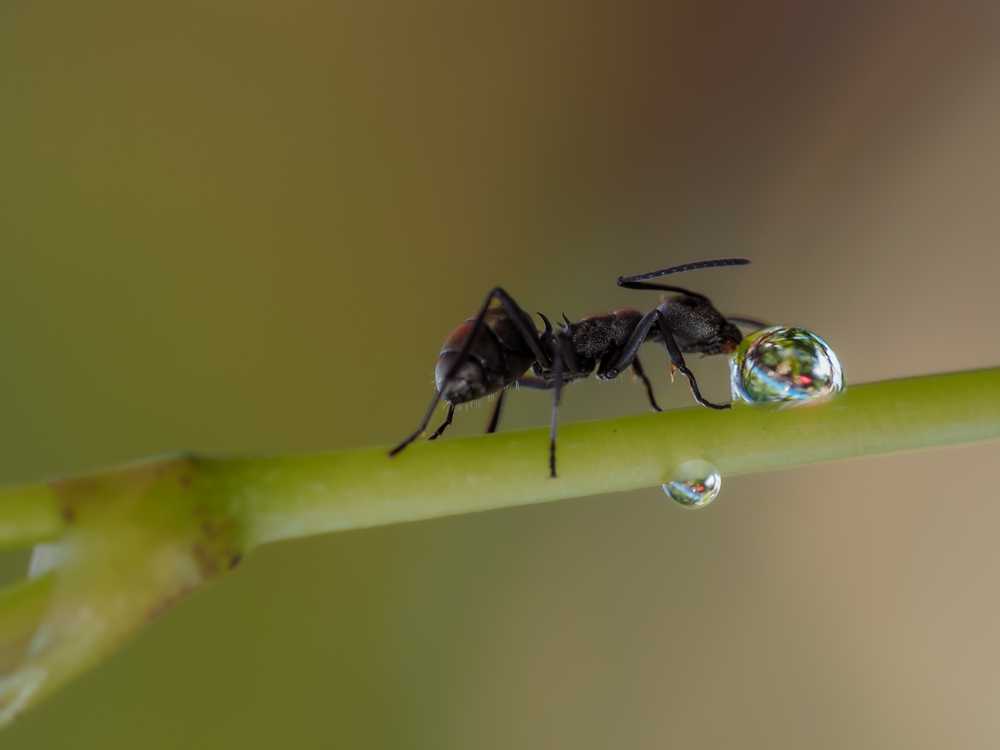
These ants, belonging to the genus Lasius, include several species that reach a size of 4 to 4.5 mm, yet their impact on homes can be substantial. Their yellowish-brown to dark brown bodies feature translucent abdomens visible upon close examination. Many homeowners mistake yellow ants for carpenter ants or termites; however, crushed moisture ants emit a distinctive lemon scent reminiscent of citrus, which helps differentiate them.
They tend aphids, extracting honeydew that serves as their colony’s primary food source. This unique feeding behavior—feeding mainly on honeydew from aphids while also scavenging sweet substances—distinguishes them from other pests and often confuses them with sugar ants.
Common Habitats and Colonies
These ants are opportunistic and often build their colonies inside rotting logs, decaying wood, and water-damaged wood throughout your home. Their preferred locations include basements, crawl spaces, and areas near stealthy plumbing leaks. They construct nests by combining wet wood with soil and papery carton materials, creating small mudbrick-style structures.
Often, colonies are built beneath rocks, logs, and home foundation areas—especially in the Pacific Northwest, where damp environments prevail. An infestation might be indicated by soil material pushed through cracks in concrete or basement floors.
Signs of an Infestation
Frass—the small sawdust piles created during tunneling activities—is a common sign. During mating season, winged males and females conduct impressive aerial displays near light sources and windows, turning your house into a mating site. The distinctive lemon fragrance from crushed ants also helps identify their presence.
These ants are largely nuisance pests that accelerate wood decay without causing major home destruction, though people often mistake them for carpenter ants. Their presence usually signals moisture-related problems that could lead to further structural damage if ignored.
Comparison with Carpenter Ants
While both moisture ants and carpenter ants prefer wood, their functions differ significantly. Moisture ants select wet, water-damaged wood and display a yellowish-brown color, whereas carpenter ants are larger, black or red, and cause significant structural destruction. Moisture ants serve as natural early warning signals about water issues that might attract other wood-damaging pests.
Factors Attracting Moisture Ants to Your Home
These ants enter homes through leaky pipes, rotting wood, and high-humidity areas. Their presence often indicates water-related problems that could attract dangerous pests such as carpenter ants and termites.
Their tunneling in water-damaged wood accelerates decay, posing structural damage threats unless addressed promptly. Ignoring the underlying moisture problem leads to further deterioration and potential infestations.
Facts About Moisture Ants
They are skilled builders, creating complex “carton” nests from wood fibers, soil, and saliva. These nests resemble compact mudbrick structures and are designed to control moisture levels, providing an ideal habitat for colony growth.
Remarkably, these ants manage to seal plumbing leaks with their nests, using their nest material as a repair. This resourceful behavior can hide leaks from homeowners, making infestations harder to detect.
Ecologically, they tend aphids, protecting these sap-sucking insects from predators in exchange for honeydew, illustrating their complex symbiotic relationships.
Are Moisture Ants Dangerous?
They pose indirect threats to homes despite being primarily nuisance pests. Their activities accelerate wood decay, which can lead to more extensive structural problems. Their presence often reveals water issues that create pathways for other harmful pests, including termites and carpenter ants.
They inhabit a wide range across the United States—from the damp Pacific Northwest to East Coast cities, including New England, extending south to Florida and Mexico. They thrive in damp environments with high moisture and humidity.
Common Identification Mistakes
People often mistake these ants for carpenter ants or termites due to their wood preferences and appearance. However, they are smaller, yellowish-brown, and generally harmless to wood structures. Accurate identification is crucial to effectively address both the moisture problems and the ant infestation.
How to Get Rid of Moisture Ants
To rid your home of these ants, use insecticide dust and bait treatments that allow ants to carry poisoned food back to their colonies, eliminating the entire population. Concurrently, control moisture levels by repairing leaks and restoring damaged wood.
Prevention centers on maintaining dry conditions. Fix leaks promptly, improve ventilation in basements and crawl spaces, clear gutters, and replace rotting wood with treated alternatives. Regular inspections by pest management professionals and sealing entry points will help prevent moisture, ants, and other wood-damaging pests from invading.
When to Call a Pest Management Professional
Professional pest control becomes necessary if you observe frass, mating swarms, or nests in hard-to-reach areas. Pest management experts excel at identifying moisture ants and creating effective treatment plans. Chemical treatments are usually required for infested living spaces.
Moisture ants are small yellowish-brown insects that thrive in damp environments, feeding mainly on honeydew from aphids while building colonies from water-affected wood. Though they contribute to wood decay, they pose a minor threat compared to other wood damaging pests. Homeowners can prevent infestations by addressing moisture issues, repairing wood damage, and consulting local pest control professionals for effective elimination.
Frequently Asked Questions
What are common signs of an infestation?
Look for frass near nests, mating swarms of flying ants, a lemon scent from crushed ants, and soil mounds pushed through basement cracks.
How do moisture ants differ from carpenter ants?
They are smaller, yellowish-brown, and prefer water-damaged wood. Carpenter ants are larger, black or red, and nest in both dry and moist wood.
Under what conditions do moisture ants infest?
They thrive in high humidity, near plumbing leaks, and in water-damaged wood.
What damage can moisture ants cause?
They accelerate wood decay, weakening structural wood, especially if the wood is already water-damaged, potentially leading to further damage.
Should I call a pest management professional?
Yes, if you notice frass, mating swarms, or hidden nests, a professional can confirm infestation and provide treatment plans.