White-Faced Hornet Sting: What to Expect and How to Protect Yourself
A white-faced hornet sting causes sharp pain, swelling, and itching. These hornets can sting multiple times due to their smooth stingers. Learn how to treat the sting and avoid future incidents.
- White-faced hornet stings are painful, can sting repeatedly, and may lead to severe allergic reactions in some individuals.
- Immediate management includes scraping out the stinger, applying a cold compress, and seeking medical attention if symptoms worsen or signs of infection appear.
- Prevention strategies involve keeping outdoor areas clean, trimming vegetation, and identifying bald-faced hornets and their aerial nests to avoid encounters.
Understanding White-Faced Hornet Stings
White-faced hornet stings are notorious for their intense pain, often described as more severe than a honeybee sting. This intense pain is accompanied by swelling and itching in the affected area, which can last for about 24 hours. Unlike most wasps, bald-faced hornets have smooth stingers that allow them to sting repeatedly without losing their stinger. This ability makes them particularly dangerous as they can sting multiple times in rapid succession if they feel extremely threatened, leading to a painful white-faced hornet sting.
The venom from the insect stings contains proteins that affect skin cells and the immune system, causing pain and inflammation. The initial reaction to the sting is typically localized, with redness and swelling around the sting site. However, the pain can radiate, and the area might become itchy and tender.
Knowing the nature of these stings helps in managing their impact. Most stings cause temporary pain, but multiple stings can lead to severe reactions, especially for allergic individuals or those previously stung. Prompt recognition and response can mitigate the impact and prevent complications.
Immediate Steps After Being Stung
A white-faced hornet sting can be startling, but immediate steps can significantly reduce discomfort and prevent complications from stinging insects. Gently scrape the stinger out with a fingernail or the edge of a credit card to avoid injecting more venom into the affected area.
Apply a cold compress to the sting site to decrease swelling and numb the pain. Over-the-counter pain relievers like acetaminophen or ibuprofen can also be taken to manage pain. Avoid scratching the sting site to prevent infection.
Seek medical attention if the sting site becomes increasingly painful or shows signs of infection, such as pus or spreading redness. Following these steps can significantly impact how your body handles the sting and prevent further complications.
Recognizing Severe Allergic Reactions
In rare cases, white-faced hornet stings can trigger severe allergic reactions that require urgent medical attention. Identifying the symptoms of these reactions is crucial for prompt and effective treatment. Symptoms can include hives, swelling beyond the sting site, and respiratory distress.
If you have difficulty breathing or a tight feeling in your throat, seek medical attention immediately. Other symptoms, like nausea, a fast pulse, dizziness, or loss of consciousness, also require immediate help. These symptoms indicate a severe allergic reaction that can be life-threatening if not treated promptly.
Do not ignore extensive local swelling or other unusual symptoms, even if the reaction seems minor. Consulting a healthcare professional can provide guidance and prevent potential complications. If you experience severe reactions, seek medical attention immediately to act swiftly and protect your health.
Long-Term Effects of White-Faced Hornet Stings
Immediate effects of a white-faced hornet sting are noticeable, but long-term effects can linger beyond the initial pain. Some individuals may experience a large local reaction that extends the duration of pain and discomfort. Persistent pain and swelling at the sting site can be troubling.
In some cases, abdominal symptoms such as cramping and vomiting may occur due to an allergic reaction. These symptoms can be alarming and may require medical attention if they persist. Monitoring for any lingering symptoms after a sting is crucial to ensure that any complications are promptly addressed.
Recognizing these potential long-term effects highlights the importance of taking hornet stings seriously and seeking medical care when necessary. Staying vigilant helps in managing the aftermath of a sting and maintaining well-being.
Preventing White-Faced Hornet Stings
Preventing stings is preferable to dealing with their consequences. Bald faced hornets live in aerial nests constructed from rotting wood chewed and mixed with saliva to create a paper like material. Trim trees and bushes around your home to make them less attractive for nesting. Keeping outdoor areas clean can also significantly reduce the attraction for hornets.
Wear light-colored clothing outdoors to deter bald faced hornets, as they are less attracted to light colors. Additionally, avoiding areas where nests are known to be, especially during the warmer months when hornets are most active, can prevent painful encounters.
Implementing these preventive measures minimizes the risk of stings and ensures a safer environment for you and your family. Prevention not only protects you from pain but also from the potential complications that can arise from multiple stings.
Identifying White-Faced Hornets
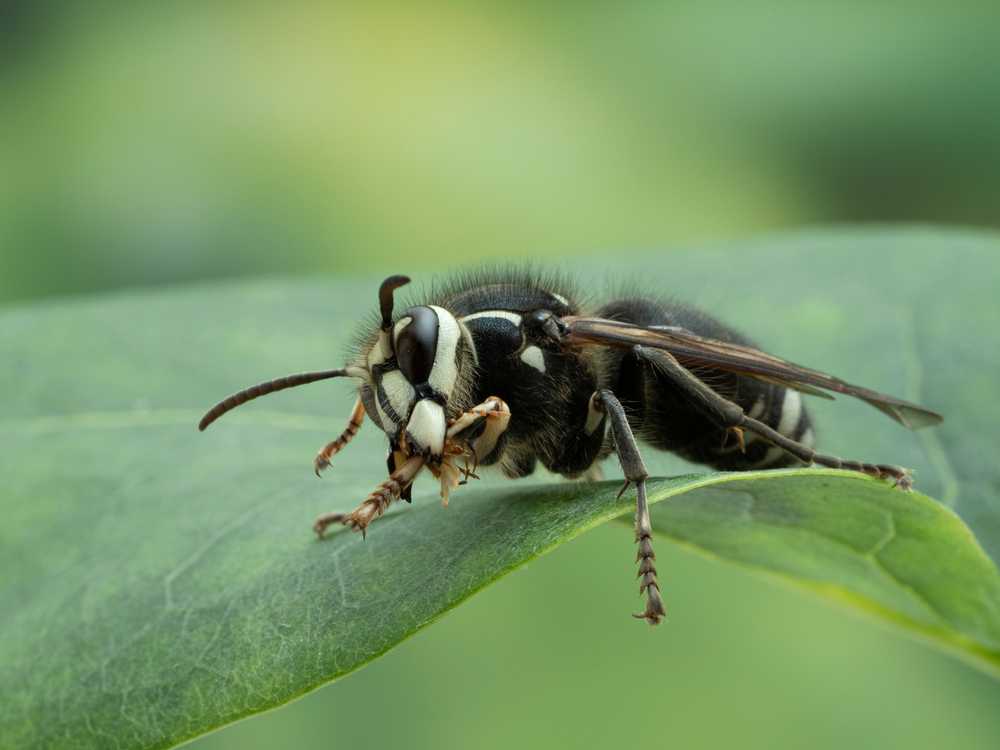
Identifying white-faced hornets helps in taking preventive measures and avoiding stings. These hornets have distinctive black coloration with white facial patterns. The black and white markings on their face, thorax, legs, and abdomen make them easily distinguishable from other stinging insects.
Bald faced hornets can grow between 12 to 15 inch long millimeters in length. Their bald faced hornets aggressive nature sets them apart from other wasp species, as they will defend their bald-faced hornet nest vigorously. The nests are usually gray and egg-shaped, about the size of a football or basketball, and are constructed from wood pulp with air vents.
Recognizing these characteristics helps in avoiding areas with hornets and taking necessary precautions to protect yourself and your family. Being able to identify these insects is the first step in preventing painful encounters.
Common Locations of White-Faced Hornet Nests
White-faced hornets typically build their nests in elevated locations, making them less noticeable until you’re right next to them. Common locations include trees, shrubs, utility poles, and the sides of buildings. These nests are often gray and egg-shaped, resembling a football or basketball in size.
The queen creates the nest by chewing rotting wood and mixing it with saliva to produce a paper-like material. This unique construction material gives the nests a papery appearance. Spotting these nests early, especially in the winter when leaves have fallen, can help you take action before the hornets become active again next spring.
Knowing where these nests are commonly found can help you avoid accidental encounters and safely remove them if necessary. Awareness of these locations is crucial for effective prevention and safety.
White-Faced Hornet Problems
Dealing with a bald-faced hornet problem can be daunting, making professional pest control services highly recommended. Professionals have over 20 years of experience handling stinging insects and emphasize the health and safety of families. They are trained to recognize the behaviors of various stinging insects and provide effective solutions.
Professional exterminators offer safe and effective removal methods, including same-day nest removal in some cases. They can also create treatment plans tailored to individual infestations, ensuring all insects are removed and preventing future issues. Non-chemical nest removal is possible when nests are small and accessible, but chemical treatments may be necessary for larger infestations.
Hiring professionals ensures thorough and safe resolution, preventing future infestations and protecting your home and family from painful stings.
Professional Pest Control Services
Whether dealing with nests in trees, shrubs, utility poles, or other locations, a professional pest control company offers comprehensive services to rid your property of these aggressive insects. Professional exterminators use a combination of non-chemical and chemical treatments to effectively eliminate hornets and prevent future issues.
Understanding white-faced hornet stings and their effects can significantly help in managing and preventing painful encounters. Immediate steps after a sting, recognizing severe allergic reactions, and knowing the long-term effects are crucial for effective treatment and prevention.
By identifying these hornets, knowing where they commonly nest, and employing professional pest control services, you can protect yourself and your family. Stay vigilant, implement preventive measures, and seek professional help when necessary to ensure a safe and hornet-free environment.
Frequently Asked Questions
What should I do immediately after being stung by a white-faced hornet?
Immediately scrape out the stinger with your fingernail or a credit card edge, apply a cold compress, and take over-the-counter pain relievers to alleviate discomfort. Avoid scratching the affected area to reduce the risk of infection.
How can I recognize a severe allergic reaction to a hornet sting?
A severe allergic reaction to a hornet sting can be recognized by symptoms such as hives, widespread swelling, difficulty breathing, or tightness in the throat. If you experience these symptoms, seek medical attention immediately.
What are the long-term effects of a white-faced hornet sting?
Long-term effects of a white-faced hornet sting may include persistent pain, swelling, and potentially gastrointestinal symptoms such as cramping and vomiting. It is crucial to monitor for any lingering issues following the sting.
How can I prevent white-faced hornet stings?
To prevent white-faced hornet stings, maintain a clean outdoor environment, trim nearby trees and bushes, and wear light-colored clothing while avoiding areas where nests may be located. This proactive approach will help minimize your risk of encounters with these insects.
When should I seek professional help for a white-faced hornet infestation?
You should seek professional help for a bald faced hornet problem when you find a nest or if you experience multiple stings, as professionals can manage the situation safely and effectively.