Top Tips for How to Keep Scorpions Out of Your House
Want to keep those creepy, crawly scorpions far away from your home? This guide is packed with clever tricks and practical tips to help you outsmart these nocturnal invaders and reclaim your space.
The Scorpion Game Plan
If you do nothing else, start with these high-impact steps:
- Seal gaps under doors and around windows, pipes, and vents.
- Reduce moisture by fixing leaks and avoiding overwatering near the foundation.
- Clear hiding spots like wood piles, rocks, thick mulch, and clutter near the home.
- Cut their food supply by reducing insects (clean up debris, adjust outdoor lighting).
- Monitor with sticky traps in garages, closets, and along baseboards.
Understanding Scorpions
Scorpions thrive where they can hide and hunt. Clutter, wood piles, loose sand, thick mulch, and overgrown plants create perfect shelters and attract the insects scorpions feed on. A cleaner, drier yard is your first line of defense.
Scorpions are active at night and can squeeze through tiny openings. Once inside, they gravitate toward dark, quiet spaces like garages, closets, storage rooms, and baseboards. A helpful trick is using a black light at night, since scorpions glow under UV light, which makes them easier to spot around entry points and hiding areas.
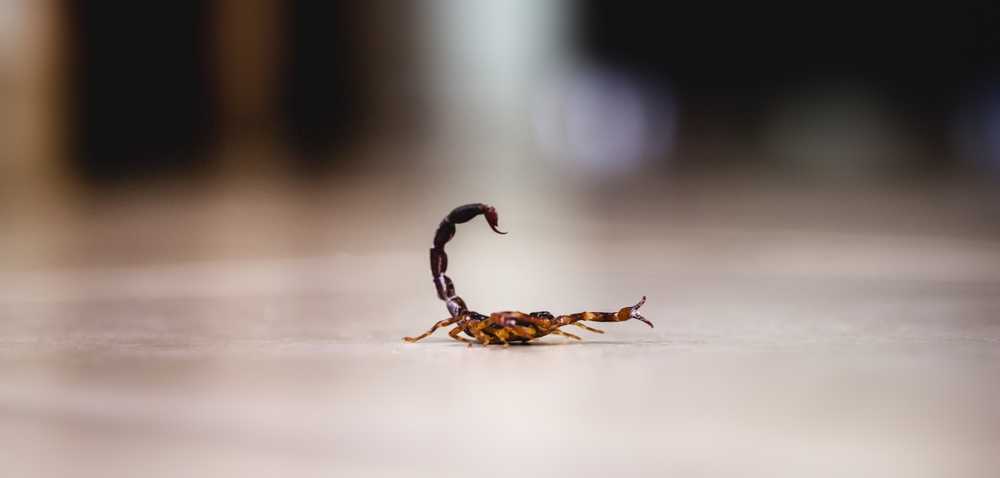
In many regions, the Arizona bark scorpion is a common concern because of its sting and tendency to wander indoors. Other bark scorpions may also show up in yards and homes, especially where conditions are favorable.
Block Entry and Remove Water
Scorpions cannot invade what they cannot access. Seal gaps and cracks around windows, doors, plumbing penetrations, vents, and the foundation using caulk, weather stripping, and wire mesh. Add door sweeps to exterior doors to block the common “gap under the door” entry route. Check screens and replace torn mesh.
Moisture makes your home more attractive to scorpions and the insects they feed on. Fix leaky faucets and pipes, keep basements and crawl spaces ventilated, and avoid overwatering plants near the foundation. If needed, use a dehumidifier in damp areas to make conditions less favorable.
Keep Your Yard Scorpion-Free
Outdoor clutter is one of the biggest reasons scorpions stick around. Remove wood piles, rock stacks, yard debris, and leaf litter near the home. Trim shrubs and groundcover back from exterior walls and keep grass short.
Consider swapping thick mulch for gravel or decorative stone in areas right next to the foundation. These materials hold less moisture and provide fewer hiding places. If scorpions are common in your area, store firewood off the ground and away from the house.
Cut Their Food Supply
Scorpions follow the insects they feed on. Reduce bugs by keeping trash sealed, cleaning up fallen fruit, eliminating standing water, and switching outdoor lights to yellow or amber bulbs to attract fewer insects near doors and windows.
Use Targeted Treatments and Monitoring
For higher activity areas, apply products according to label directions and focus on where scorpions hide. Dust formulations can help in cracks, crevices, wall voids, and attic access areas, while perimeter treatments can create a protective barrier around the exterior.
Sticky traps are one of the easiest ways to monitor and reduce indoor scorpion activity. Place them along baseboards and in quiet areas like garages, closets, laundry rooms, and near exterior doors. Replace them when full or every few months.
Natural deterrents like essential oils may help discourage activity in small areas, but they usually work best as a supplement to sealing, sanitation, and moisture control.
Scorpion Sting Safety Tips
Most scorpion stings cause pain, swelling, and tingling, but children, older adults, and anyone with allergies should take stings seriously. If someone is stung, wash the area with soap and water, apply a cool compress, and avoid squeezing the sting site. Seek medical care right away if symptoms become severe, spread quickly, or involve trouble breathing, vomiting, or unusual muscle twitching.
To reduce sting risk indoors, shake out shoes and towels left on the floor, keep beds slightly away from walls, and avoid storing clutter under beds where scorpions may hide.
When to Call a Professional
If scorpions are persistent in your home, it’s time to call a professional pest control service. They have the know-how and tools to find every hiding place, apply specialized treatments, and keep your home safe long-term. Plus, they can advise you on preventative measures tailored to your property.
Keeping scorpions out isn’t just about one trick—it’s a whole game plan. Seal your home tight, keep your yard neat, reduce moisture, use targeted pesticides, set sticky traps, try natural repellents, adjust your lighting, and don’t hesitate to bring in the pros.
With these strategies, you’ll enjoy a scorpion-free home where you can relax without worrying about painful stings or creepy surprises.
Frequently Asked Questions
What attracts scorpions to my home?
They love places with plenty of food (bugs and other insects) and dark, quiet spots to hide. Cutting off their food and shelter sources keeps them away.
How do I stop scorpions from getting inside?
Seal every crack and gap around doors, windows, pipes, and foundations with caulk, weather stripping, and mesh.
Are there natural ways to repel scorpions?
Yes! Essential oils like lavender, peppermint, and cinnamon, plus diatomaceous earth and boric acid, work well.
How often should I replace sticky traps?
Every three months or whenever they’re full to keep them effective.
When should I call a professional pest control service?
If scorpions keep coming back or you have a severe scorpion problem, professionals can provide expert, long-lasting scorpion control solutions.
Can pets help keep scorpions away?
Some cats and chickens are natural predators of scorpions and can help reduce their numbers around your home, but always supervise to avoid any stings.
Is it true scorpions can survive without food for months?
Yes! Scorpions are hardy creatures and can survive long periods without food, which is why ongoing preventative measures are key.
Why do scorpions glow under black light?
A special substance in their exoskeleton causes them to fluoresce, making black lights a handy tool for spotting these nocturnal creatures at night.
With these tips and a bit of vigilance, you’ll turn your home into a fortress against scorpions. Stay safe, stay informed, and enjoy your scorpion-free sanctuary!