Top Tips for Wood Beetle Identification: Spotting Common Wood-Boring Insects
Understanding wood beetle identification helps you spot early signs of infestation like exit holes and sawdust (frass). This guide covers how to recognize different wood-boring beetles, the damage they cause, and how to protect your wooden structures.
Recognizing Wood-Boring Beetles
Wood-boring beetles belong to several beetle families, including:
- Lyctidae
- Bostrichidae
- Anobiidae
- Cerambycidae
- Buprestidae
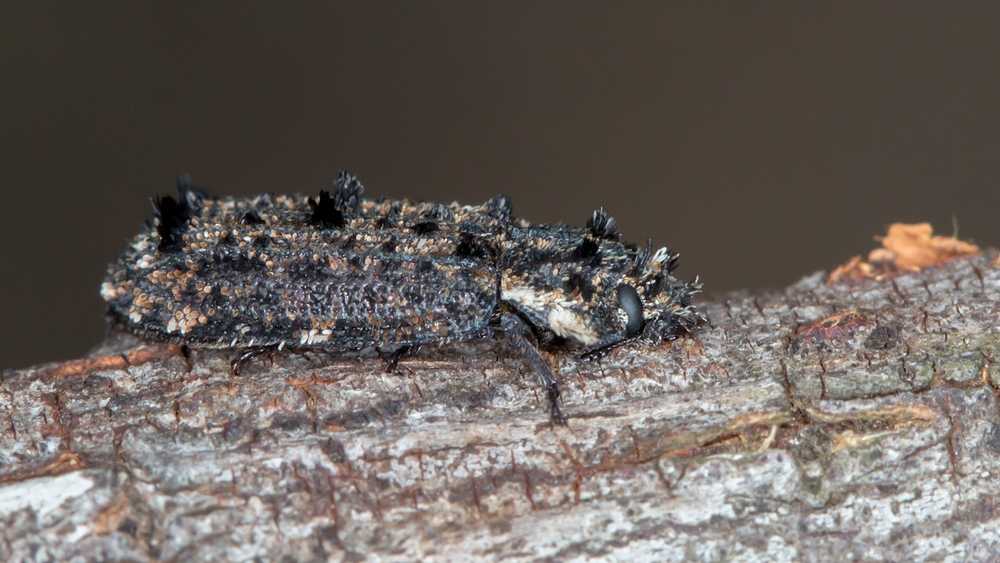
These beetles vary widely in appearance and wood preferences, but they share a common trait—they infest wood and cause significant damage. Adult wood-boring beetles typically measure under 6mm, though some species can grow up to 25mm.
A telltale sign of wood-boring beetles is the presence of ‘shot holes’ in the wood. These exit holes are where adult beetles emerge after completing their life cycle. Additionally, you might notice fine sawdust, known as frass, escaping from the wood. Another clue is finding adult beetles on windowsills, as they tend to fly towards light after emerging from the wood.
Remarkably, some wood-boring beetles can even exit through plaster or metal surfaces, not just wood. Recognizing these characteristics helps in early detection and effective management of these pests.
Signs of Wood-Boring Beetle Infestation
A clear indication of a wood-boring beetle infestation is seeing adult beetles crawling or flying out of holes in wooden structures. The exit holes themselves can vary in shape, including D-shaped, round, elliptical, or oval, depending on the beetle species. Deathwatch beetles, for example, create small exit holes less than 0.1 inches in diameter, while False Powderpost Beetles make slightly larger holes, approximately 1/4” wide or less.
Another critical sign is the presence of frass, which is the powdery or granular excrement left by beetle larvae as they feed on the wood. Different beetle families produce distinct types of frass. For example:
- Woodworms leave behind fine to coarse, powdery frass.
- Old house borers produce frass characterized by fine particles and small barrel-shaped pellets.
- Deathwatch beetle frass appears as dark-colored pellets shaped like a disc.
- False Powderpost Beetles leave tightly packed, meal-like frass.
Unchecked infestations can result in significant structural damage. Extensive tunnels created by beetle larvae can compromise the integrity of wooden beams and joists, leading to costly repairs and potential safety hazards. Identifying these signs early can save you from extensive damage and costly repairs.
Identifying Specific Wood-Boring Beetles
Pinpointing specific types of wood-boring beetles is crucial for effective pest management. These beetles belong to various beetle families and exhibit unique characteristics. Common types include Deathwatch beetles, Powderpost beetles, and False Powderpost beetles.
Different species leave behind exit holes of varying sizes, which can help in their identification. For example, Powderpost beetles create round exit holes measuring 1/8” to 1/4” in diameter, while Deathwatch beetles produce much smaller holes. Furthermore, the frass left behind by these beetles varies in texture, ranging from powdery to pellet-like forms.
Properly identifying the beetle species ensures the application of appropriate treatments. A trained pest control technician can accurately determine the type of beetle infesting your wood and recommend suitable management strategies.
Deathwatch Beetles (Xestobium rufovillosum)
Deathwatch beetles are known for their distinctive characteristics, setting them apart from other wood-boring insects. These beetles are dark brown with dark legs and create small exit holes, typically less than 0.1 inches in diameter. Unlike the uniform holes made by Powderpost beetles, Deathwatch beetle holes vary in size.
A unique behavior of Deathwatch beetles is their mating ritual, producing a distinctive clicking noise. This sound is made by the adult beetles tapping their heads against the wood, which can be quite unsettling if you hear it in the quiet of the night.
The frass produced by Deathwatch beetles is another identifying feature. It typically appears as dark-colored, disc-shaped pellets. Identifying these signs early allows for timely action to protect your wooden structures.
Powderpost Beetles (Bostrichidae)
Powderpost beetles are infamous for the extensive damage their larvae cause to wood. These beetles infest both hardwood and softwood, creating fine, powdery frass that resembles baking flour. This frass often accumulates beneath exit holes, which are round and measure 1/8” to 1/4” in diameter.
The larvae of Powderpost beetles burrow deep into the wood, consuming it and leaving behind extensive tunnels. This activity weakens the wood, making it brittle and prone to breaking. Early identification of Powderpost beetles is vital to prevent significant structural damage to your home.
Adult Powderpost beetles are small and often go unnoticed until significant damage has already occurred. Regular inspections of wooden structures can help detect these beetles before they cause extensive harm.
False Powderpost Beetles (Bostrichidae)
False Powderpost beetles, part of the Bostrichidae family, are recognized by their reddish-brown or black color and small exit holes, approximately 1/4 inch wide or less. Unlike the fine frass of true Powderpost beetles, the frass from False Powderpost beetles has a gritty texture.
These beetles typically infest fresh hardwood and softwoods, making them a common pest in lumber yards and construction sites. Their larvae burrow into the wood, creating tunnels and weakening the structure. The furniture beetle is one such pest that can cause significant damage.
Early recognition of False Powderpost beetle signs can avert significant damage to wooden structures. Regular inspections and proper wood storage practices can help minimize the risk of infestation.
Life Cycle of Wood-Boring Beetles
Comprehending the life cycle of wood-boring beetles is crucial for effective pest management. The life cycle stages include egg, larval, pupal, and adult stages, with most of the damage occurring during the larval phase. Female adult beetles often evaluate wood for moisture content and starch levels before laying eggs.
Once the eggs hatch, the larvae burrow into the wood and start feeding. This feeding activity can last from several months to a few years, depending on the species and environmental conditions. The larvae create extensive tunnels within the wood, causing significant damage.
After completing their growth, the larvae enter the pupal stage, which is a resting period before emerging as adults. The adult beetles then create exit holes in the wood, signaling the end of their development cycle. Knowing this life cycle aids in timing treatments and interventions to manage wood-boring beetle infestations effectively.
Preventing Wood-Boring Beetle Infestations
Using seasoned lumber during construction is a key step in preventing wood-boring beetle infestations. Seasoned lumber is less likely to attract these pests compared to fresh, untreated wood. Debarking firewood and storing it outside can also prevent the introduction of wood-boring beetles into your home.
Good ventilation and consistent heating and cooling help keep wood moisture levels low, making it less attractive to beetles. Sealing exposed wood surfaces with polyurethane, varnish, or paint effectively prevents beetles by closing off entry points for egg-laying.
Regular inspections and pest management plans can prevent future wood-boring beetle infestations. Implementing these preventive strategies can save your wooden structures from extensive damage and costly repairs.
Professional Pest Control Solutions
Professional pest control services are crucial for managing wood-boring beetle infestations.
A DIY approach is often not effective against woodworm infestations because these pests are extremely hardy and difficult to eradicate. The best protection against wood-boring beetles comes from working with professional pest control services. They have the expertise to keep your home safe.
Wood-boring beetles can cause significant damage to wooden structures if left unchecked. Recognizing the signs of infestation, identifying specific beetle species, and understanding their life cycle are crucial steps in managing these pests. Preventive measures such as using seasoned lumber and sealing wood surfaces can help protect your home from future infestations.
Don’t wait until the damage is extensive—take action today to safeguard your wooden structures and furniture.
Frequently Asked Questions
What are the signs of a wood-boring beetle infestation?
The signs of a wood-boring beetle infestation include adult beetles emerging from exit holes, distinctive shaped holes in wood, and the presence of frass, a powdery excrement produced by larvae. Prompt identification and action are crucial to mitigate damage.
How can I prevent wood-boring beetle infestations?
To prevent wood-boring beetle infestations, use seasoned lumber, maintain low moisture levels, seal wood surfaces, and conduct regular inspections. Taking these proactive steps will protect your wood from damage effectively.
What types of wood are commonly affected by wood-boring beetles?
Wood-boring beetles typically infest firewood, hardwood furniture, subflooring, and other hardwood products. It’s essential to be aware of these materials to prevent infestations.
Can I handle a wood-boring beetle infestation myself?
Handling a wood-boring beetle infestation yourself is not recommended, as DIY methods are often ineffective. It’s best to seek professional pest control services for effective management.
How does Las Vegas Pest Control help with wood-boring beetle infestations?
Las Vegas Pest Control effectively eliminates wood-boring beetles through targeted treatments, minimizing damage to your property. Their expertise ensures a thorough approach to pest management.