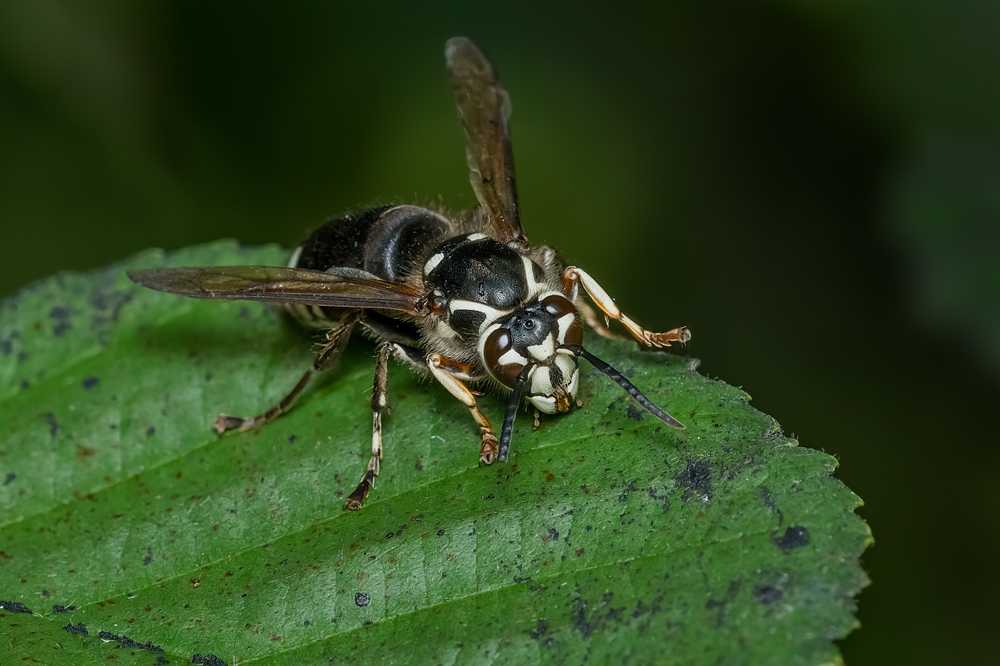
Understanding Bald Faced Hornet Size: Essential Facts
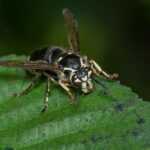
Many people want to know how large bald-faced hornets are and whether their size makes them more dangerous. Bald-faced hornets are among the larger aerial wasps people commonly notice around homes and yards. Most adults measure about 0.5 to 0.75 inches long, though size varies by caste.
In a colony, queens are the largest, workers are smaller, and males are often similar in size to queens. Along with their black bodies and bold white markings, their size is one of the easiest ways to recognize them.
How Big are Bald-Faced Hornets?
Bald-faced hornets are not true hornets. They are actually a type of yellowjacket in the genus Dolichovespula. Even so, they are commonly called hornets because of their large size and their habit of building enclosed paper nests.
Adult bald-faced hornets usually measure between about 12 and 20 mm in length, depending on their role in the colony.
Queen Size
The queen is typically the largest member of the colony. She usually measures about 18 to 20 mm long. Her larger body helps support reproduction as she starts the colony in spring and lays eggs.
Worker Size
Female workers are smaller, usually around 12 to 15 mm long. These hornets handle most of the colony’s daily tasks, including gathering food, caring for larvae, expanding the nest, and defending the colony.
Male Size
Male bald-faced hornets, also called drones, are often similar in size to queens and may measure roughly 17 to 20 mm. Their main role is to mate with future queens near the end of the season.
How to Identify
Size is helpful for identification, but it should not be the only feature you rely on. Bald-faced hornets are best recognized by their:
- black bodies
- white or ivory markings on the face
- pale markings near the tip of the abdomen
- large, enclosed gray paper nests
Their bold black-and-white coloring makes them stand out from many other wasps.
Are Bald-Faced Hornets Bigger Than Other Wasps?
Bald-faced hornets are generally larger and more robust-looking than many common wasps people see around homes. They often appear bulkier than paper wasps and many yellowjackets, making them seem especially intimidating.
Their larger size, combined with fast flight and defensive behavior near the nest, is one reason people often mistake them for true hornets.
Nest Size and Structure
Bald-faced hornets build large, enclosed paper nests that hang from trees, shrubs, utility structures, and sometimes buildings. These nests are usually gray and have a layered, papery appearance.
By late summer, a nest may reach the size of a football or even larger in some cases. Inside are several comb layers where larvae develop.
What Nests are Made of
These hornets make their nests by chewing weathered wood fibers and mixing them with saliva to create a paper-like material. The finished nest helps protect the colony from weather and predators.
Does Size Affect behavior?
Their size can make bald-faced hornets look more threatening, but behavior depends more on the situation than on body length alone. Bald-faced hornets are especially defensive when people get too close to the nest or disturb it.
Away from the nest, they are usually more focused on hunting prey, gathering plant sugars, or collecting material for nest building.
Are Bald-Faced Hornets Aggressive?
Bald-faced hornets are best described as highly defensive rather than naturally aggressive. They will defend their nest quickly and may sting multiple times if they feel threatened.
Because of this, nests located near walkways, patios, play areas, or entrances can become a serious concern.
What Do Bald-Faced Hornets Eat?
Bald-faced hornets feed on sugars and protein sources. Adults often consume nectar, fruit juices, and other sweet materials, while workers also hunt insects to feed developing larvae.
This makes them beneficial in some environments because they help reduce populations of flies, caterpillars, and other insects.
What to Do if You See Bald-Faced Hornets
If you notice bald-faced hornets flying in and out of one area, there may be a nest nearby. Do not swat at them or disturb the nest. A startled colony may respond quickly.
Safety Tips
- Keep your distance from any suspected nest
- Avoid mowing or trimming directly near active nest sites
- Keep outdoor food and sugary drinks covered
- Use caution if you are allergic to stings
- Contact a pest control professional for nest removal
Can You Prevent Bald-Faced Hornets?
You cannot prevent every nest, but a few steps may reduce the chances of hornets settling near your home:
- inspect trees, shrubs, sheds, and eaves in spring and early summer
- remove small starter nests only if it is safe to do so
- keep garbage sealed
- limit outdoor food exposure
- address nests early before colonies grow larger
Preventing Bald Faced Hornet Infestations
Bald-faced hornets are large, striking wasps that usually measure between 12 and 20 mm, depending on caste. Queens are the largest, workers are smaller, and males are often close in size to queens. Their noticeable size, black-and-white coloring, and hanging paper nests make them easier to identify than many other wasps.
While they can be beneficial predators, they should be treated with caution when nesting near people. If you suspect a nest on your property, professional removal is the safest option.
Frequently Asked Questions
How large can a bald faced hornet nest get?
Nests can grow up to three feet tall and 45 cm wide, resembling footballs or basketballs.
Why are bald faced hornets aggressive?
They aggressively defend their nests, and their size and strength enhance their defensive capabilities.
How can I prevent bald faced hornet infestations?
Remove food sources, seal home entry points, and use decoy nests to discourage hornets.
What should I do if I find a bald faced hornet nest?
Contact a professional pest control service for safe removal.
Are bald faced hornet stings dangerous?
Their stings are painful and can be dangerous for those allergic to insect stings. Seek medical attention if stung.