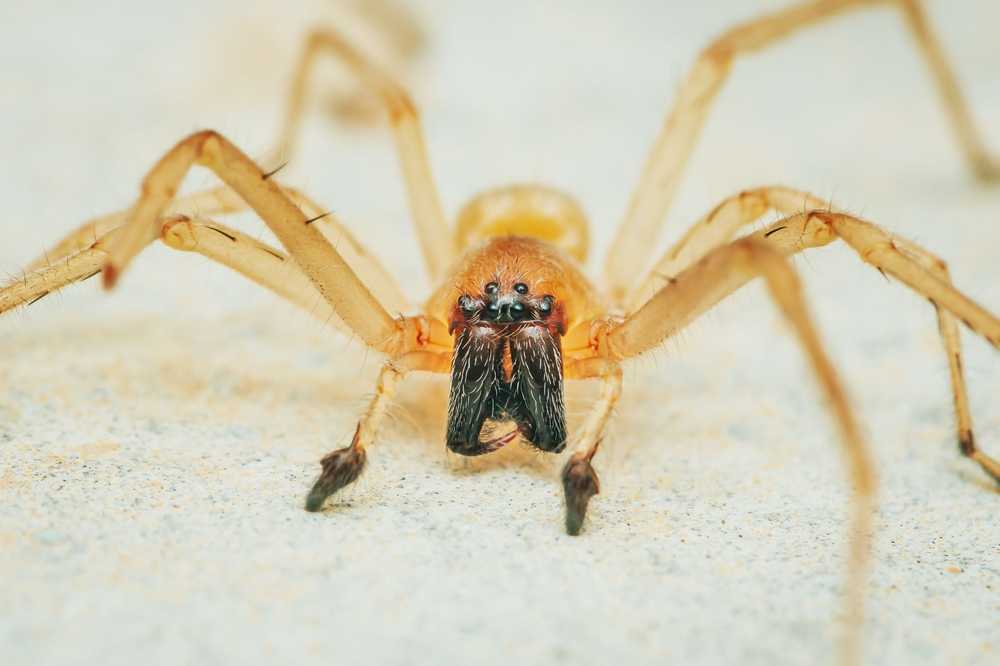
Black-Footed Yellow Sac Spider: Identification, Bites, and Removal Tips
Worried about a black-footed yellow sac spider in your home? Learn how to identify it, the risks it may pose, and the best ways to remove it. This guide covers identification, bite symptoms, and removal tips for the black-footed yellow sac spider.
What is the Black-Footed Yellow Sac Spider?
The black-footed yellow sac spider, scientifically known as c inclusum, belongs to the family Cheiracanthiidae. This spider is small and pale-colored, making it easy to overlook unless you know what to look for. One of its most distinctive traits is its nocturnal nature; it actively hunts for prey during the night and disperses using silk threads.
Recognizing the black-footed yellow sac spider aids in effective identification and management. Familiarity with its appearance, habitat, and behavior helps differentiate it from other spiders and allows for appropriate measures if encountered.
Examining the physical characteristics and common names of this spider provides further insight.
Physical Characteristics
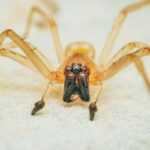
The black-footed yellow sac spider is characterized by its light yellow color, which gives it a somewhat translucent appearance. It also features distinct dark brown markings on its palps and legs, and dark dorsal stripes running along its body. These markings make it easier for the yellow sac spider compared to the yellow sac spider’s appearance and other small, pale-colored spiders.
Females of this species typically measure between 5 and 9 millimeters, while males range from 4 to 8 millimeters. The largest individuals can reach up to 10 millimeters in size, with a leg span of up to 1 inch (2.5 cm).
Additionally, the black-footed yellow sac spider possesses eight eyes arranged in two parallel horizontal rows, which is a common feature among spiders in its family.
Common Names
The black-footed yellow sac spider has multiple common names. One of them is the American yellow sac spider. These names are derived from its scientific classification within the genus Cheiracanthium, which includes various species of similar appearance and behavior.
These common names assist in more accurate identification and discussion of the spider.
Habitat and Distribution
The black-footed yellow sac spider is indigenous to the Americas, ranging from North, Central, and South America to the West Indies. However, it has also been introduced to other regions, such as Africa and Réunion. This wide distribution highlights the spider’s adaptability and resilience in various environments.
These spiders are commonly found in the foliage of forests and gardens, as well as human-made structures like homes. They are versatile in their habitat preferences, thriving in gardens, woodpiles, shrubs, and even inside buildings. Their presence in diverse environments makes them one of the more commonly encountered Pennsylvania spiders.
Indoor vs. Outdoor Habitats
Yellow sac spiders are highly adaptable, allowing them to thrive in both indoor and outdoor settings. Outdoors, they are often found under foliage, in leaf litter, and around garden plants. Indoors, they may venture into human-made structures, seeking out corners of walls, ceilings, under furniture, and windowsills. Yellow sac spiders live in small silken tubes or ‘sleep’ sacs to hide and rest in during the day.
Their adaptability allows them to be found in various environments. In gardens or homes, these spiders excel at finding suitable hiding spots and constructing protective silk sacs.
Seasonal Behavior
Seasonal changes, particularly temperature drops, significantly impact the behavior of black-footed yellow sac spiders. During colder months, they actively search for warmer conditions inside homes. As temperatures drop, these spiders become more noticeable indoors as they seek food and shelter.
This seasonal migration into homes can make them more visible to homeowners. Anticipating their seasonal behavior allows for preventive measures to keep them out of living spaces.
Life Cycle and Reproduction
The life cycle of the yellow sac spider involves several stages, beginning with egg-laying and culminating in maturity. This spider’s reproductive process is fascinating, with distinct characteristics at each phase that ensure its survival and proliferation.
The black-footed yellow sac spider undergoes various developmental stages from egg-laying to adulthood, each with unique traits and behaviors contributing to its life cycle.
Egg Laying and Development
Female yellow sac spiders can produce between 1 and 5 egg masses, with each mass containing approximately 17 to 85 eggs, and sometimes up to 112. The first egg mass is typically laid about two weeks after mating, and the mother provides care for approximately 17 days until the eggs hatch.
The eggs are placed inside a silken cocoon, which the mother protects diligently. After hatching, the young spiderlings remain in the cocoon for about 17 days, allowing for some initial development before they disperse. This period of maternal care is crucial for the survival of the offspring.
Maturation Rates
Maturation for male yellow sac spiders takes about 119 days, while females take slightly longer, averaging 134 days to reach sexual maturity. This difference in maturation rates is typical among spiders, with males generally reaching maturity faster than females.
These maturation rates offer insights into spider population dynamics, aiding in planning effective control measures and predicting seasonal activities.
Behavior and Feeding Habits
Yellow sac spiders are active predators that pursue their prey rather than relying on webs to capture them. Their diet is diverse, including insects, other spider species, and occasionally even their own eggs. Yellow sac spiders eat this diverse range of prey, and this predatory behavior makes them effective hunters, helping control populations of garden pests and other insects.
These spiders primarily hunt arthropods, such as insects and other spiders. Consuming various prey, including garden pests, makes them beneficial for natural pest control.
Nocturnal Activities
Black-footed yellow sac spiders are nocturnal predators, meaning they are most active during the night. They primarily feed on insects and arthropods, utilizing their excellent climbing abilities and quick movements to capture prey efficiently.
Their nocturnal habits make them less visible during the day, adding to their elusive nature.
Nest Construction
Yellow sac spiders quickly build small silk nests for resting and protection, typically in under ten minutes, making them less detectable. Yellow sac spiders jump to evade threats when necessary.
They have the capability to rebuild their nests anywhere, reflecting their nomadic lifestyle and adaptability.
Interaction with Humans
Yellow sac spiders often come into contact with humans, especially when they venture indoors in search of food and shelter. Their bites can be painful, leading to localized pain, itching, and swelling. These spiders defend their silk sacs and may bite if they feel threatened, particularly during the night when they leave their sacs to hunt for food.
Clutter, foundation cracks, storage areas, vegetation, woodpiles, and the presence of prey like flies and moths attract these spiders to homes.
Bite Symptoms and Treatment
A yellow sac spider bite can cause moderate pain followed by itching. The bite area may swell and appear as small red bumps that can blister. Some individuals may experience a sharp, stinging sensation similar to a bee sting upon being bitten. While these bites can cause mild to moderate local reactions, they are rarely life-threatening.
Home treatment for a yellow sac spider bite includes cleaning the area and using a cold compress to reduce swelling. Potential complications from a bite can include infection or an allergic reaction, which might require medical assistance.
Venom and Toxicity
The venom of yellow sac spiders is not poisonous and rarely dangerous. Compared to more serious spider bites, such as those from a brown recluse, yellow sac spider bites are less medically significant and not deadly. However, it is important to note that the yellow sac spider’s poisonous characteristics are often misunderstood.
Prevention and Control
Combining home maintenance with professional pest control services helps prevent and control yellow sac spider infestations. Regular cleaning and vacuuming eliminate spider webs and potential egg sacs, while preventive measures keep them from entering your home.
Consulting a pest control company for identification and advice aids in managing spider populations. Professional services tailor treatment plans based on your home’s specific characteristics.
Home Maintenance Tips
Sealing all entry points like cracks and gaps can significantly deter yellow sac spiders from infiltrating your home. This includes sealing gaps in windows and doors, which are common entry points for these spiders. Regularly vacuuming areas prone to spider webs can help minimize spider populations.
Cleanliness and reduced clutter inside your home significantly lower spider populations. If spiders persist, hiring pest control experts becomes crucial.
Professional Pest Control Services
If you find yellow sac spiders in your home, it is advisable to contact a professional for assistance.
The black-footed yellow sac spider is a fascinating yet potentially troublesome arachnid. Understanding its physical characteristics, habitat, life cycle, and behavior can help in identifying and managing these spiders effectively. While their bites can be painful, they are rarely dangerous, and taking preventive measures can minimize encounters.
By maintaining cleanliness, sealing entry points, and consulting professional pest control services, you can keep your home free from these spiders. Knowledge is power, and being informed about the black-footed yellow sac spider can turn fear into fascination and proactive management.
Frequently Asked Questions
Are yellow spiders poisonous?
Yellow spiders, specifically yellow sac spiders, are not poisonous but are venomous, and their bites can be painful though not deadly. While their venom can cause mild swelling and a stinging sensation, they generally do not pose a significant threat to humans.
Why are yellow sac spiders so aggressive?
Yellow sac spiders are aggressive primarily because they are hunters that chase their prey, leading to more encounters with humans. While not inherently aggressive towards people, their nocturnal hunting behavior can result in bites if they feel trapped.
How can I prevent yellow sac spiders from entering my home?
To prevent yellow sac spiders from entering your home, seal any cracks and gaps, maintain cleanliness, and regularly vacuum areas where spider webs may form. Taking these proactive measures will significantly reduce the likelihood of an infestation.
What types of pests does Las Vegas Pest Control manage?
Las Vegas Pest Control effectively manages a variety of pests, including ants, mice, spiders, and roaches, among others. Their comprehensive services address a broad spectrum of pest issues.