Hairy Desert Scorpion Facts & Care Tips
The hairy desert scorpion, the largest scorpion species in North America, thrives in the Sonoran and Mojave desert regions. Intrigued by their habitat, venom, and care tips? Dive in to discover everything you need to know about these fascinating creatures.
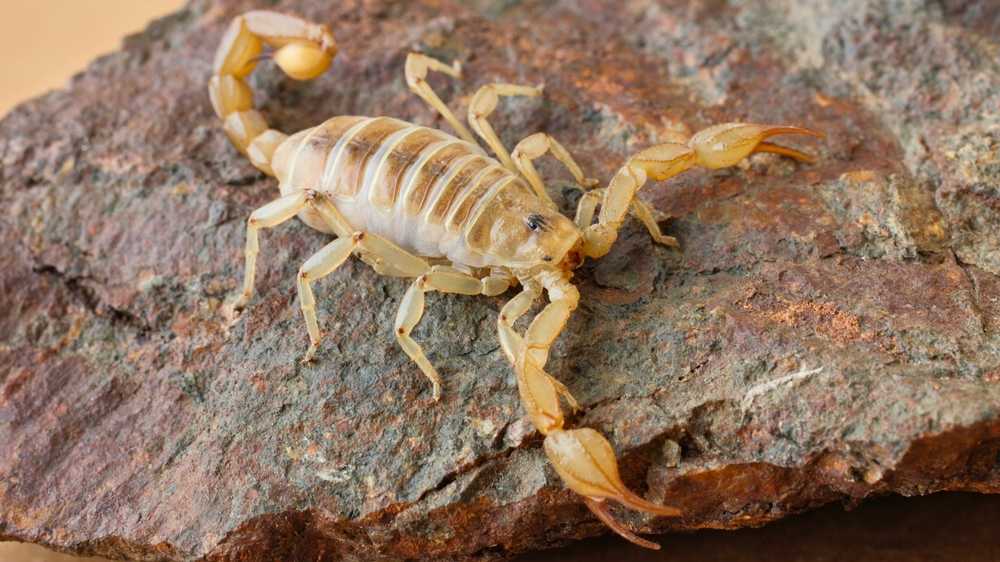
- The hairy desert scorpion, also known as the giant desert hairy scorpion or Arizona desert hairy scorpion, is characterized by its robust body, large pincers, and specialized adaptations for survival in arid environments.
- These scorpion species tend to play a vital ecological role as nocturnal predators, with a diet that consists primarily of insects and small vertebrates, exhibiting ambush hunting behavior.
- Despite their intimidating appearance, the venom of hairy desert scorpions is commonly perceived as low in toxicity, causing only mild symptoms in humans, debunking common misconceptions about their danger.
Overview of the Hairy Desert Scorpion
The desert hairy scorpion, recognized as the largest scorpion species in North America, can grow to an impressive size ranging from 4 to 6 inches. This giant desert hairy scorpion is commonly found across the western two-thirds of Arizona and extends into northern Mexico. It is known for its robust body covered with distinctive brown hairs, which not only give it its name but also serve as sensory tools. The Arizona desert hairy scorpion possesses large pincers and a segmented tail that ends in a bulbous section housing the venom glands.
Beyond its striking appearance, the desert hairy scorpion boasts a complex anatomy, featuring two main body parts, eight legs, and fang-like appendages for capturing prey. Its hard exoskeleton shields it from predators and environmental hazards, cementing its status as a formidable warm desert species.
These traits make the desert hairy scorpion an intriguing subject for both enthusiasts and researchers. Appreciating its physical features is merely the first step in understanding the full capabilities of this remarkable species.
Natural Habitat of Hairy Desert Scorpions
Native to the Sonoran and Mojave desert regions, the desert hairy scorpion thrives in some of the hottest and driest conditions on the planet. These regions, characterized by their sparse vegetation and extreme temperatures, provide the perfect backdrop for this burrowing scorpion. The Arizona desert hairy scorpion is specially adapted to these conditions, showcasing remarkable survival strategies.
Their species range flanks the low elevation valleys and washes where they dig elaborate burrows, sometimes up to 8 feet deep, to escape the heat and find shelter. These burrows offer a cool refuge and serve as strategic hunting grounds for ambushing prey.
To escape the scorching heat during the day, these scorpions hide under rocks or within rodent burrows, becoming active during the cooler night hours. Their nocturnal nature lets them hunt and move without risking dehydration or heat stress, crucial for surviving extreme southwestern climates.
Diet and Hunting Behavior
The diet of the hairy desert scorpion primarily consists of insects and other arthropods, though they have been known to consume small vertebrates like lizards. This diet plays a crucial role in controlling pest populations, making desert hairy scorpions important natural predators in their ecosystems.
These scorpions are not aggressive hunters; they use ambush tactics, often waiting in their burrows to capture nearby prey. This method conserves energy and minimizes exposure to potential predators during hunts.
Being nocturnal predators, desert hairy scorpions rely heavily on vibrations to locate their prey in the dark. Their legs have dense brown hairs that sense temperature, humidity changes, and vibrations in the soil, enabling them to hunt efficiently during the cooler night hours. This adaptation not only aids in their survival but also ensures they remain a key player in maintaining the balance of their ecosystem.
Venom and Toxicity
Although large, the desert hairy scorpion’s venom is commonly perceived as low in potency. A sting can cause localized pain and swelling but is not typically harmful to humans unless an allergic reaction occurs, making encounters less dangerous than many assume.
The venom of desert hairy scorpions is less potent compared to other scorpion species, with no fatalities reported in Arizona since 1968. Many people mistakenly think all scorpions have dangerously potent venom, but the sting of the desert hairy scorpion is usually mild and manageable.
Reproduction and Lifecycle
Desert hairy scorpions give live young, usually producing a litter of around 30 offspring. These newborn scorpions are small and white, lacking a fully developed outer layer of their exoskeleton. This initial stage of vulnerability requires them to stay on their mother’s back for approximately three weeks, during which she helps regulate their temperature and moisture levels.
As they grow, young desert hairy scorpions molt, shedding their exoskeleton to accommodate their increasing size. After the first molt, they can live independently and start fending for themselves in the harsh desert environment.
This lifecycle, from birth to independence, highlights the resilience and adaptability of the desert hairy scorpion. Their ability to thrive in such a challenging environment is a testament to their evolutionary success.
Adaptations for Survival
Hairy desert scorpions have developed several adaptations that allow them to thrive in arid environments. One notable adaptation is their burrowing behavior, which helps regulate body temperature and avoid extreme heat during the day. Their strong legs are adapted for digging into sandy environments, including straight sand substrates, creating elaborate shelters for protection.
These scorpions also have sensory brown hairs on their bodies that detect ground and air vibrations, crucial for locating prey and avoiding predators. Their legs have dense hairs that sense temperature and humidity changes, aiding their survival in harsh conditions.
These adaptations, combined with their nocturnal lifestyle, make the desert hairy scorpion a master of survival in some of the most inhospitable environments on Earth.
Common Misconceptions
Many people hold misconceptions about the desert hairy scorpion, often thinking larger scorpion species are more venomous. In reality, size does not determine venom potency. Despite their intimidating appearance, these scorpions are mostly non-aggressive and rarely pose a threat unless provoked.
Another common myth is that Arizona desert hairy scorpions are social creatures. In reality, they are solitary and prefer to live alone. Correcting these misconceptions is important for appreciating their true nature and dispelling unnecessary fears.
Similar Species
The desert hairy scorpion, Hadrurus arizonensis, is sometimes confused with similar species like Hoffmannius spinigerus. However, they have distinct behaviors and habitats that set them apart. Another notable species is Parabuthus transvaalicus, known for its size and potent venom, but it differs significantly in its ecological niche.
For those interested in keeping scorpions as pets, the desert hairy scorpion is often compared to the Emperor Scorpion (Pandinus imperator). While both are large and impressive, the Emperor Scorpion is generally more docile and less defensive, making it a better option for novice keepers. The desert hairy scorpion requires less humidity and is more resilient, making it a popular choice for beginners.
Recognizing these differences aids in making informed decisions about scorpion care and appreciating the diversity within the scorpion family.
Importance in Ecosystem
Hairy desert scorpions play a crucial role as predators in their ecosystems. They help maintain the balance by controlling populations of pests like large spiders and other small invertebrates. This natural pest control is essential for the health and stability of their environment.
Encouraging natural predators like owls and roadrunners can help manage scorpion populations in residential areas, providing a humane and effective solution. Their role as both a natural predator and prey underscores their importance in the food web and ecosystem.
How to Manage Hairy Desert Scorpions at Home
Effectively managing desert hairy scorpions at home involves making your home pest-proof. This includes sealing entry points with tight-fitting screens and filling gaps with steel wool. Reducing clutter around the house minimizes potential habitats, as scorpions often hide in debris like logs and stones.
Maintaining a well-trimmed landscape can deter scorpions by limiting ground vegetation that provides cover and access to buildings. Additionally, hunting scorpions at night with a UV black light can help locate and remove them, as they fluoresce under this type of light.
Taking these steps ensures a safer environment at home and reduces the likelihood of unexpected scorpion encounters.
The desert hairy scorpion is a fascinating and complex creature, well-adapted to its harsh environment. Understanding their characteristics, habitat, diet, and importance in the ecosystem can help dispel common myths and promote appreciation for these unique scorpions. For those dealing with scorpions at home, implementing effective management strategies can ensure a safer, pest-free living space.
Frequently Asked Questions
Are desert hairy scorpions communal?
Desert hairy scorpions are not communal and cannot be kept together due to their tendency towards cannibalism. It’s important to house them individually to prevent aggression and ensure their wellbeing.
Are desert hairy scorpions good pets?
Desert hairy scorpions are not ideal pets for beginners due to their potent venom and specific habitat needs. If you’re an experienced handler and can meet their care requirements, they can be rewarding pets.
Can you handle desert hairy scorpions?
Yes, you can handle desert hairy scorpions as they are generally not dangerous to humans, with relatively mild venom that is typically not harmful. Always exercise caution and ensure proper handling techniques.
Are desert hairy scorpions poisonous?
Desert hairy scorpions are not considered dangerous to humans, as their venom is relatively mild and typically not harmful.
How dangerous is the desert hairy scorpion’s sting?
The desert hairy scorpion’s sting is generally low in toxicity, causing localized pain and swelling, with minimal risk to humans unless an allergic reaction occurs. Therefore, while it can be uncomfortable, it is not typically dangerous.