Hobo Spider Size: What You Need to Know
Hobo spiders (Eratigena agrestis, formerly Tegenaria agrestis) exhibit a medium body size, ranging between 10 and 14 millimeters in length, with legs that span 2 to 3 inches. As members of the funnel web spider family (Agelenidae family), these spiders build funnel-shaped webs to catch prey, typically in secluded areas such as wood piles, retaining walls, and crawl spaces. Understanding hobo spider size and identification is essential for distinguishing them from other similar-looking spider species and for effective pest control.
- The body length of hobo spiders measures between 10 and 14 millimeters, with male spiders exhibiting distinct characteristics, such as swollen pedipalps and differing leg spans, compared to females.
- Hobo spiders are medium brown in coloration with distinctive chevron patterns on their abdomen, aiding identification.
- Misidentifications often occur due to size similarities with brown recluse spiders and giant house spiders, highlighting the importance of accurate identification methods.
- Environmental factors and habitat conditions, especially in the Pacific Northwest and northern Utah, affect hobo spider size, with outdoor spiders typically growing larger due to better food availability.
- Recognizing the size of the hobo spider helps homeowners and pest control professionals manage populations effectively, especially in areas like British Columbia, east of Utah, and other regions where these spiders are common.
Physical Characteristics
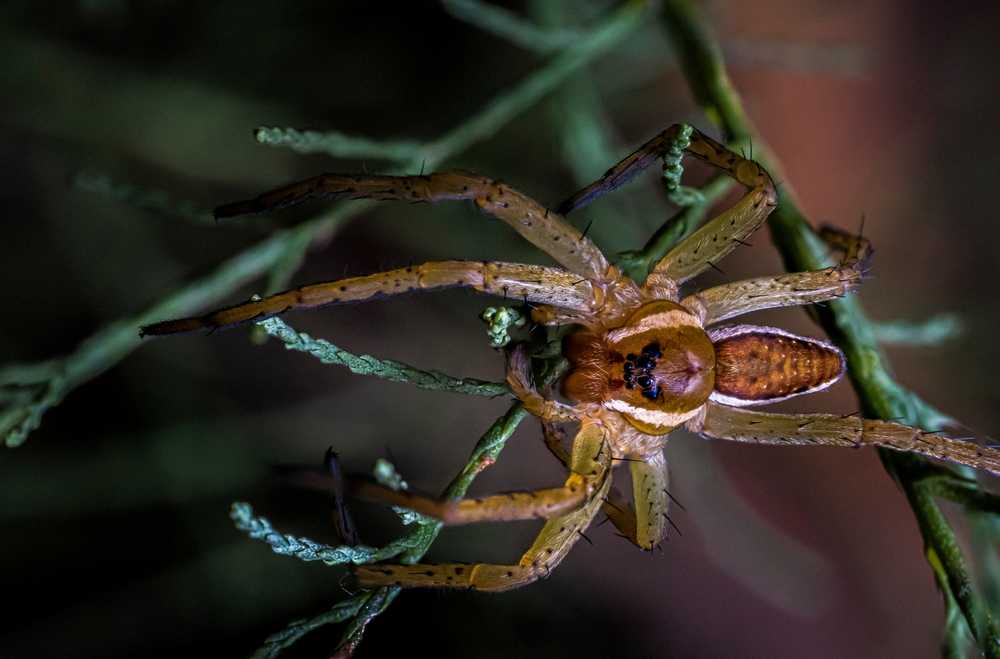
Hobo spiders belong to the Agelenidae family and have distinctive physical traits. Their body length ranges from 10 to 14 millimeters, with an oblong shape and a segmented thorax and abdomen typical of funnel web spider family members. Juvenile hobo spiders tend to have lighter coloration compared to adults. The spider’s eight eyes are arranged in two rows, a key identifying feature when viewed with a hand lens or microscope.
Body Length and Leg Span
Adult hobo spiders measure between 0.5 and 1.2 inches in body length. Female hobo spiders have abdomens that extend beyond those of males, while male spiders feature swollen appendages (pedipalps) used in mating. The leg span ranges from 2 to 3 inches, without dark bands, which helps differentiate hobo spiders from other similar species. In contrast, giant house spiders have leg spans exceeding 5 inches.
Coloration and Markings
Hobo spiders are medium brown with lighter to darker stripes and distinctive chevron markings on their abdomen, forming a V shape toward the head. These markings help differentiate them from brown recluse spiders and giant house spiders, which have different coloration patterns.
Comparison to Similar Spider Species
Brown Recluse Spider vs. Hobo Spider
Brown recluse spiders are smaller, measuring about 0.25 to 0.75 inches long, and typically have violin-shaped markings absent in hobo spiders. Hobo spiders are larger and heavier, but their venom is not considered toxic to humans, unlike the brown recluse.
Giant House Spider vs. Hobo Spider
Giant house spiders are larger, reaching up to 1.5 inches in body length, and often outcompete hobo spiders in overlapping habitats. Both species build funnel webs, but giant house spiders are distinguished by size and coloration.
Growth, Development, and Habitat Impact on Size
Hobo spiders undergo a fascinating life cycle beginning with egg laying in late spring, with egg sacs containing 100 to 400 eggs. Spiderlings remain in the egg sac briefly before dispersing. They molt multiple times as they grow from juvenile to adult stages, shedding their exoskeleton five to ten times. This molting process is crucial for their growth and survival, allowing them to increase in size and develop adult features.
Habitat plays a crucial role in size variation. Outdoor spiders in wood piles, retaining walls, and crawl spaces often grow larger due to abundant prey such as ants and other insects, while indoor spiders tend to be smaller due to restricted environments. Interestingly, hobo spiders are known for their agility and speed, with the ability to run three feet per second, helping them catch prey and evade predators.
Environmental Factors Affecting Size
Temperature, food availability, and habitat conditions influence hobo spider size. Optimal conditions in the Pacific Northwest, northern Utah, and British Columbia east promote larger growth. Proper nutrition from catching prey in funnel webs enables these spiders to reach their full size potential. Seasonal changes also affect their activity levels; for example, during colder months, hobo spiders seek shelter indoors, often in basements or crawl spaces, where warmth and food sources are more accessible.
Importance of Accurate Identification
Many spiders are mistaken for hobo spiders because of similarities in size, coloration, and web structure. Accurate identification, including examination of reproductive organs under magnification, is essential to differentiate hobo spiders from brown recluse spiders and other species.
The medical literature and disease control agencies emphasize that verified spider bites from hobo spiders are rare and that their venom is not considered toxic to humans. Understanding these facts helps reduce unnecessary fear and promotes informed pest control decisions.
Controlling Hobo Spider Populations
Effective management involves reducing clutter and debris like wood piles and rubble around homes, sealing entry points such as windows and door jambs, and using sticky traps along floorboards at ground level. Regular vacuuming helps remove spiders and webs.
Professional pest control companies offer specialized services for hobo spider control, including monitoring with pre-baited traps and targeted treatments. These methods are preferable to indiscriminate pesticide use, which often has limited efficacy.
Interesting Facts About Hobo Spiders
Did you know that the name “hobo spider” likely comes from their tendency to travel along railroad tracks, hitching rides on trains much like hobos did in the early 20th century? This unique behavior has helped them spread across parts of North America. Also, male hobo spiders have specialized pedipalps that look like tiny boxing gloves, which they use during mating rituals.
Despite their somewhat intimidating size and appearance, hobo spiders are shy and non-aggressive creatures. They prefer to hide in secluded areas and only bite in self-defense. Their venom, while effective in subduing prey, poses little risk to humans.
Hobo spiders build funnel-shaped webs that act as a “funnel for prey,” where the spider waits patiently for insects to stumble in. This hunting strategy is highly effective, allowing the spider to detect vibrations and ambush prey swiftly.
Recognizing hobo spider size and physical characteristics is vital for distinguishing them from other spider species, such as brown recluse and giant house spiders. Understanding their growth, habitat preferences, and behaviors supports effective identification and pest management. While hobo spider bites cause minimal symptoms and are not medically significant, accurate species identification remains crucial for proper pest control and public reassurance.
Frequently Asked Questions
How can I identify a hobo spider?
Look for a spider with a body length of 10 to 14 millimeters, medium brown coloration, eight eyes arranged in two rows, and distinctive chevron markings on the abdomen. Male spiders have swollen pedipalps.
Are hobo spiders dangerous to humans?
No, hobo spider venom is not considered toxic to humans. Verified spider bites are rare and typically cause only mild symptoms.
What distinguishes hobo spiders from brown recluse spiders?
Hobo spiders are larger, lack violin-shaped markings, and have different leg banding patterns. Brown recluse spiders are smaller and have a distinctive violin-shaped mark.
How can I control hobo spider populations?
Remove clutter and debris, seal entry points, use sticky traps, vacuum regularly, and consider professional pest control services for severe infestations.
For more detailed pest notes and information on hobo spiders and related species, consult local disease control and pest management resources.