Grasshopper Lifespan: How Long Can a Grasshopper Live?
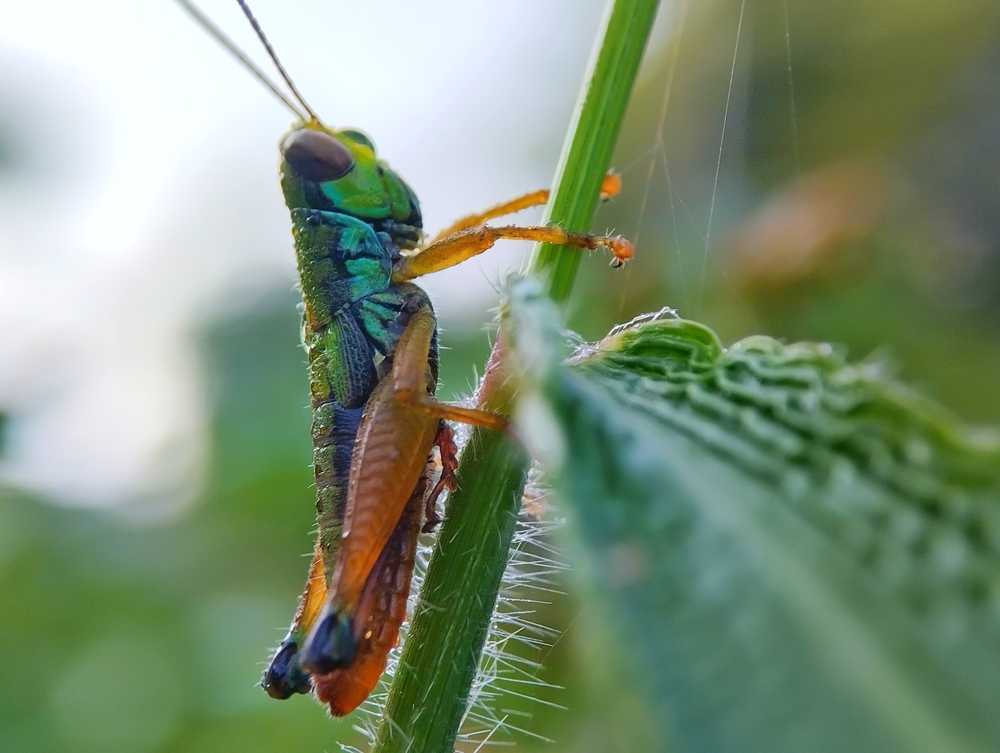
Grasshoppers belong to the suborder Caelifera and are among the most common chewing herbivorous insects. Most grasshoppers live for about one year, although lifespan varies by species and environmental conditions. This article explains what affects grasshopper longevity, including their life cycle, habitat, and the factors that influence survival.
Grasshoppers develop through three life stages: egg, nymph, and adult. Each stage plays a role in growth, development, and reproduction.
Grasshopper lifespan depends on environmental conditions such as temperature, habitat quality, food availability, and natural pressures like predators and disease.
With their chewing mouthparts, grasshoppers influence ecosystems by feeding on plants and serving as an important food source for many predators.
Understanding Grasshopper Lifespan
Grasshopper lifespan results from a combination of biological traits and environmental influences. These adaptable insects demonstrate unique survival abilities within their habitats. Different grasshopper species exhibit varied lifespans based on species-specific characteristics.
The grasshopper life cycle includes three stages: eggs, nymphs, and adults. These stages determine both survival duration and reproductive potential.
Life Cycle Stages
The grasshopper life cycle comprises three fundamental stages: egg, nymph, and adult. These stages drive physical development and reproductive maturity, involving significant physiological and behavioral changes.
Young grasshoppers molt 5 to 6 times during the nymph stage, developing wings and reproductive organs essential for reproduction.
This complex life cycle highlights the diversity among grasshopper species and factors influencing their longevity.
Egg Stage
Grasshoppers begin life as eggs. Female grasshoppers lay fertilized eggs beneath sand or leaf litter in egg pods containing 10 to 300 eggs. Under suitable conditions, a female can lay more eggs, increasing population potential.
Eggs remain dormant for about ten months underground, protected from harsh weather. Successful hatching depends on temperature and moisture, typically occurring in spring or early summer. The hatching period can span several weeks, allowing staggered emergence of nymphs, enhancing survival under varying environmental conditions.
Nymph Stage
Most grasshoppers spend a significant portion of their lifespan in the nymph stage, lasting 25 to 30 days. First-stage nymphs resemble adults but lack wings and undergo 5 to 6 molts to develop wings and reproductive structures.
During this stage, nymphs use their chewing mouthparts to feed and grow rapidly. Their development depends heavily on temperature and food availability. The nymph stage is critical, as young nymphs are vulnerable to predators and environmental stressors.
Adult Stage
Adult grasshoppers have two pairs of wings and fully developed reproductive organs after their final molt. Their powerful hind legs enable jumping and mobility.
Adult grasshoppers typically live about 30 days, though some species can survive up to three years in warm climates. Males attract females through wing sounds and behavioral displays.
Females actively feed and lay eggs to complete the life cycle and initiate new generations.
Factors Influencing Grasshopper Lifespan
Environmental conditions, predation, and diseases are major factors determining grasshopper lifespan. Habitat quality, seasonal changes, and food availability directly affect growth, reproduction, and survival. Understanding these factors helps in managing grasshopper populations and protecting crops.
Predators and Natural Enemies
Many animals feed on grasshoppers, including birds, small mammals, reptiles, and predatory insects. Meadowlarks and other insect-eating birds can reduce populations in fields and gardens.
Grasshoppers also face natural enemies such as robber flies, parasitic wasps, and parasites that weaken them over time. Some gardeners use poultry, such as guinea hens, to control grasshoppers, although they can also damage plants if allowed to forage freely.
The protozoan Nosema locustae is used as a biological control that targets young nymphs. It can reduce grasshopper numbers over time while minimizing impacts on most beneficial insects.
Environmental Conditions
Temperature, humidity, and food supply strongly affect grasshopper survival. Hot, dry weather can reduce populations by limiting plant growth and stressing young grasshoppers. Cool, damp conditions can also increase mortality, especially in early nymph stages.
Grasshopper activity typically peaks during warm weather, when feeding and development accelerate. Depending on species and climate, grasshoppers may live for several months, and in some cases, longer.
Disease and Parasitism
Grasshoppers can be affected by fungal diseases, such as Entomophaga grylli, as well as parasitic mites and other organisms that reduce strength and lifespan. These natural controls tend to be most noticeable when grasshopper populations are high.
Parasitism can also reduce egg production in adult females, which helps slow population growth over time.
Seasonal Variations in Grasshopper Lifespan
Seasonal patterns influence when grasshoppers hatch, grow, and reproduce. Warm springs can extend the growing season and increase egg hatching success, which may lead to larger populations later in summer.
Winter Survival Strategies
Most grasshoppers survive winter as fertilized eggs laid in pods beneath the soil surface. In a few species, young nymphs may overwinter, but this is less common. Dormancy allows populations to persist until conditions improve.
Summer Activity and Behavior
Summer is the most active season for grasshoppers. Feeding and mating increase, and some migratory species may form swarms that cause significant vegetation damage.
Gardeners sometimes reduce damage by using physical barriers or planting trap crops along the edge of garden areas to pull grasshoppers away from more valuable plants.
Impact of Grasshoppers on Ecosystems
Grasshoppers influence plant communities through their feeding and contribute to nutrient cycling by breaking down plant material. In some settings, they help limit certain weeds, while in others, they can damage crops and ornamental plants.
They also serve as an important food source for many predators, including birds, small mammals, reptiles, and insects, making them a key part of local food webs.
Grasshopper Control Methods
Effective grasshopper control often works best when it combines prevention, natural controls, and targeted treatments when needed.
Natural Control
Birds, blister beetle larvae, robber flies, and other predators can reduce grasshopper numbers naturally. Poultry can also help in some garden settings, though supervision is important to prevent plant damage.
Biological baits containing Nosema locustae work best on young nymphs and typically require time and repeated exposure to reduce populations.
Chemical Control
Insecticides are most effective when applied to younger grasshoppers, often during early to mid nymph stages. Baits containing active ingredients such as carbaryl can be applied to soil surfaces or targeted areas to reduce feeding pressure.
Because many products have limited residual activity, repeat applications may be necessary. Always follow label directions and take precautions to protect pollinators and other beneficial insects.
The Grasshopper Life Span
Grasshopper lifespan and population size depend on developmental stage, weather conditions, predators, and disease. Because grasshoppers are chewing herbivores, large populations can cause significant plant damage, especially during warm, dry seasons.
Understanding their life cycle and seasonal behavior makes control more effective. Combining habitat management, natural predators, and targeted treatments can help reduce grasshopper pressure while protecting crops and garden plants.
Frequently Asked Questions
How long do grasshoppers live?
Most adult grasshoppers live about 30 days, though lifespan varies by species and environment.
What are the three stages of the grasshopper life cycle?
Egg, nymph, and adult stages.
Which natural predators control grasshopper populations?
Birds, small mammals, robber flies, and poultry such as guinea hens.
What environmental conditions affect grasshopper lifespan?
Temperature, humidity, and food availability.
How are grasshopper populations controlled?
Through natural predators, biological baits, and chemical insecticides targeting vulnerable nymph stages.