Powderpost Beetles: How to Identify and Eliminate Them
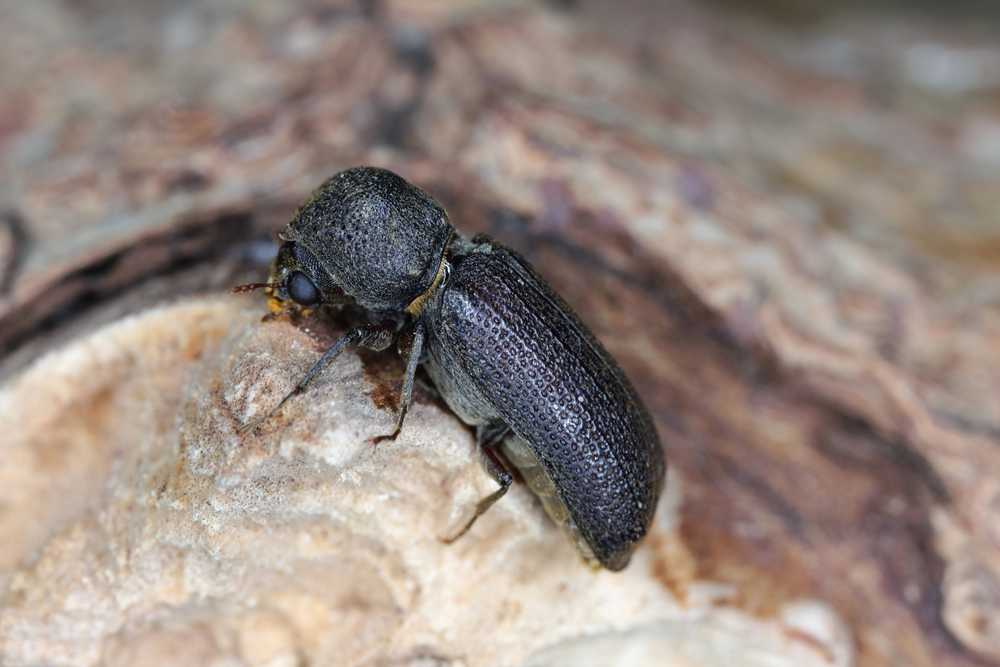
The small size of powderpost beetles cannot hide their destructive power against wood materials. Wood-destroying beetles invade homes through hardwood floors, furniture, and structural timbers to transform solid wood into fine flour-like powder. Learn to detect and eliminate these crafty pests before they damage your home’s foundation through this engaging, complete guide.
The wood damage caused by powderpost beetles consists of small tunnel paths that produce fine powdery residues and circular exit points resembling small wooden ninjas in action.
The discovery of an ongoing beetle infestation becomes essential for proper intervention. Active beetle activity produces fresh powder and emerging holes, but yellowed powder with weathered, abandoned holes indicate an inactive old infestation.
A beetle-free home requires proper wood storage practices, along with moisture control and surface treatment of bare wood to outsmart these wood destroying beetles.
Understanding Powderpost Beetles
Dry seasoned wood becomes the target for the silent wood destruction actions of powderpost beetles. The larvae tunnel through wood like subterranean miners to create a powder that slowly weakens your building structure. These wood-boring beetles turn your attractive hardwood floors into a dusty disaster.
You will identify them through the small round exit holes they make during emergence and accompanying fresh powdery dust in small piles beneath the holes. The insects bring themselves into homes by hiding inside beetle-infested wood or unfinished wood products manufactured from hardwoods. Your ability to detect these signs in the early stages will prevent costly repairs as well as sleep deprivation.
Identifying Powderpost Beetle Infestations
Powderpost beetles can be identified by what signs? Small circular holes known as shot holes appear on wooden surfaces when you inspect them. The beetle droppings combined with wood particles create fine flour-like powder which accumulates near the holes.
The presence of fresh powder with clean exit holes indicates beetle tunneling activity, but yellowed powder and weathered abandoned holes point to a past infestation. Your ability to detect these indicators will give you a strong position against wood-boring invaders.
Types of Powderpost Beetles
Each of the several species within the powderpost beetle category differs from others. You should understand the fundamental characteristics of these three primary powderpost beetle species:
- The hardwood specialist lyctid powderpost beetles attack oak, ash, walnut, and other wood products manufactured from hardwood materials. The beetles target newly manufactured articles containing starch, yet avoid all finished surfaces that have been painted or stained.
- Anobiid powderpost beetles are non-discriminatory invaders because they infest both hardwoods and softwoods along with structural timbers, including beams and joists. Their preferred habitat exists in damp crawl spaces combined with basements.
Understanding the enemy remains crucial to success.
Life Cycle of Powderpost Beetles
The life path of powderpost beetles follows an interesting pattern. Female beetles insert their eggs into infested lumber pores and existing emergence holes at the start of spring. The eggs hatch into tiny larvae that start their tunneling process in wood to consume starch while building complex galleries that damage wood.
The duration of larval development depends on moisture levels and starch content in wood which can range from several months to multiple years. The newly emerged adults mate before they create round exit holes to exit the wood. Adults spend their short lives of several weeks before they can begin a new reproductive cycle.
Detecting Active vs. Inactive Infestations
Active infestations are similar to a fresh crime scene—look for powder that resembles newly cut wood and emergence holes that appear clean and unweathered, without the weathered appearance of surrounding wood. Fresh piles of powder found under the holes confirm the beetles are actively working.
Old infestations have weathered holes, abandoned larval galleries, and yellowed or caked powder. Regularly cleaning up powder and monitoring for new holes can help you catch active infestations before they escalate.
Prevention Strategies
Ready to keep powderpost beetles at bay? Here’s how:
Proper Wood Storage
Store your wood like a pro! Keep it dry and sealed to lower wood moisture content, making it generally unsuitable for egg laying by female beetles. Using moisture barriers in crawl spaces and installing foundation vents can help keep dampness at bay. Don’t forget to inspect stored wood regularly for signs of beetle activity.
Moisture Control
Anobiid powderpost beetles love moisture. Keeping wood moisture content below 14% creates a hostile environment for larvae development. Tools like moisture meters can be your secret weapon in monitoring and controlling moisture levels in hardwood floors and structural timbers.
Surface Treatments
Borate insecticides such as Bora-Care and Tim-bor are your friends when it comes to treating unfinished wood. They penetrate bare wood surfaces to kill beetles inside larval galleries and prevent egg laying. Remember, these treatments won’t work on painted or sealed wood, so apply them on bare surfaces, ideally in spring when newly emerged adults mate and begin egg laying.
Treatment Options
If prevention isn’t enough, here’s how to tackle infestations head-on:
Wood Replacement
When damage is limited, replacing the infested article and adjacent pieces can stop the spread. Keep monitoring for new emergence holes to ensure the problem is under control.
Fumigation
For severe infestations hiding deep within walls or inaccessible areas, fumigation might be necessary. It’s costly and requires vacating your home, but sometimes it’s the only way to send those beetles packing.
Professional Pest Control
Sometimes, calling in the experts is the smartest move. Professional pest control services offer tailored treatment plans and preventive strategies to protect your home and keep powderpost beetles at bay for good.
Powderpost beetles may be small, but their impact on your home can be huge. By understanding their habits, spotting the signs early, and taking proactive steps, you can protect your hardwood floors, furniture, and structural timbers from these relentless wood destroying beetles. Stay vigilant, stay informed, and keep your home beetle-free!
Frequently Asked Questions
How can I identify powderpost beetle infestations?
Look for fine, flour-like powder and small, round exit holes on wood surfaces. Fresh powder and clean holes indicate active infestations.
What types of wood do powderpost beetles prefer?
They mainly attack hardwoods like oak and ash, but anobiid powderpost beetles can also infest softwoods and structural timbers.
How can I prevent powderpost beetle infestations?
Store wood properly, control moisture levels, and apply borate treatments to unfinished wood surfaces.
When should wood be replaced to control powderpost beetles?
Replace wood when damage is localized, and continue monitoring for new activity.
What role do professional pest control services play? For more details on Las Vegas Pest Control, check our Frequently Asked Questions page or learn more about Las Vegas Pest Control, or explore local pest control. For those seeking local solutions, Las Vegas Pest Control offers expert pest treatment and prevention services in the Las Vegas area.
They provide expert treatment plans and preventive measures to effectively manage and prevent powderpost beetle infestations, ensuring your home stays protected in their service areas.