The Yellow Sac Spider: Identification, Bite Symptoms, and Effective Removal Tips
Yellow sac spiders are small, pale yellow to cream-colored spiders that are commonly found inside homes and other human-made structures. This article provides detailed information on identification, bite symptoms, and effective removal tips for yellow sac spiders.
Understanding the Yellow Sac Spider
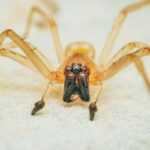
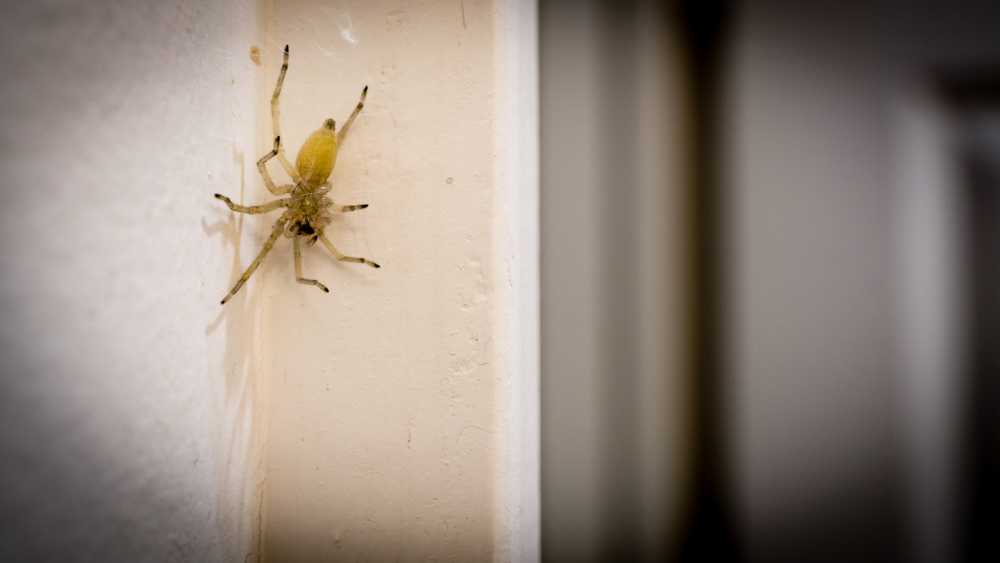
Yellow sac spiders belong to the family Cheiracanthium and include species such as C. inclusum and C. mildei. C. inclusum is native to much of the United States except the northernmost states, while C. Mildei is an introduced species from Europe that is often found inside homes. These spiders are light yellow to cream-colored, sometimes with a greenish tint, and have darker jaws and a darker thorax. Females typically range from 5 to 10 millimeters in length, with males slightly smaller at 4 to 8 millimeters.
These spiders are quick movers and skilled climbers, but do not jump. During the day, they hide inside small silk sacs or web sacs, often found in the corners of ceilings, walls, or trees. Their ability to blend with light-colored foliage or walls helps them avoid detection.
Habitat and Behavior of Yellow Sac Spiders
Yellow sac spiders live both outdoors and indoors. Outdoors, they are found in foliage, leaf litter, under stones and boards, and in gardens, bushes, and woodpiles. Indoors, they tend to hide in corners of rooms, window sills, ceilings, and other human-made structures, especially during the winter when they seek shelter.
They create silk sacs or retreats where they rest during the day and emerge at night to hunt. These sacs are often small and blend into their surroundings, making them easy to overlook. Yellow sac spiders tend to be active hunters rather than web builders, seeking prey such as other spiders and various insects.
What Yellow Sac Spiders Eat
Yellow sac spiders primarily consume insects and other arthropods, including garden pests like leafhoppers and fruit flies. Occasionally, they also consume nectar. Their diet may influence their coloration, with some spiders appearing redder or greener depending on their prey.
Do Yellow Sac Spiders Jump?
Yellow sac spiders do not jump but are excellent climbers. They move quickly across ceilings, walls, and vegetation, and may drop a silk line to escape if startled.
Identifying Yellow Sac Spider Bites
Bites from yellow sac spiders usually cause immediate pain and a sharp, stinging sensation. Typical symptoms include:
- Redness and swelling around the bite area
- Two small raised red bumps approximately 1/3 inch apart
- Itching and possible skin lesions developing within hours
If not properly cleaned, the bite site can become infected, leading to further complications. Other symptoms may include headache, nausea, or mild allergic reactions in sensitive individuals. Home remedies like applying ice and anti-inflammatory medications can help, but medical attention should be sought if infection or severe symptoms develop.
Are Yellow Sac Spiders Dangerous?
Yellow sac spiders are venomous but not poisonous. Their venom helps subdue prey but poses minimal risk to humans. While their bites can be painful, they are generally not dangerous and do not cause serious health issues. The main concern is the potential for infection if the bite is not properly cared for.
Yellow Sac Spider Lifecycle and Reproduction
Yellow sac spiders undergo a typical spider lifecycle, including egg laying, hatching, and maturation. Females lay egg masses inside their silk sacs, often in protected areas indoors or outdoors, depending on the species. The young spiderlings remain inside the sacs for a short time after hatching before venturing out at night to hunt. Mating occurs in warmer months, and multiple generations can be produced annually, depending on environmental conditions.
Differences Between C. inclusum and C. mildei
While both species are yellow sac spiders, C. inclusum is native to the United States and more commonly found outdoors, whereas C. mildei is an introduced species from Europe that prefers indoor habitats. C. mildei tends to be slightly more aggressive and is responsible for more frequent bites inside homes.
How to Get Rid of Yellow Sac Spiders
Effective removal involves:
- Identifying and removing egg masses before they hatch
- Sealing entry points such as cracks around doors and windows
- Regular vacuuming of areas where spiders are found
- Using spider pesticides around potential entryways and hiding spots
- Rinsing exterior walls and surfaces with water to dislodge spiders
Professional pest control services can provide targeted treatments and ongoing prevention strategies to keep yellow sac spiders out of your home.
Preventing Yellow Sac Spider Infestations
Prevention focuses on reducing spider entry and hiding places inside the house. Key steps include sealing cracks and gaps around doors and windows, removing clutter where spiders can hide, regularly cleaning and vacuuming, and eliminating other insects that serve as food sources for the spiders.
If you encounter yellow sac spiders inside your home, contacting a pest control professional is recommended. Experts can accurately identify the species, assess the infestation, and apply the most effective treatments.
Frequently Asked Questions
What do yellow sac spiders look like?
They are pale yellow to cream-colored, sometimes with a greenish tint, with darker jaws and thorax. Females measure 5-10 mm, males 4-8 mm.
Where do yellow sac spiders live?
They are found in foliage, leaf litter, under stones and boards outdoors, and inside homes in corners, ceilings, and window sills.
Are yellow sac spider bites dangerous?
No, bites are painful but generally not dangerous. Proper care reduces risk of infection.
How can I get rid of yellow sac spiders?
Remove egg masses, seal entry points, vacuum regularly, use pesticides, and consider professional pest control.
When should I contact a pest control professional?
If you find yellow sac spiders inside your home or suspect an infestation, contact professionals promptly for effective management.