Essential Guide to Venomous Scorpions and Their Stings
Venomous scorpions have toxic stings that can be severe. This guide covers identifying these scorpions, understanding their venom, and recognizing sting symptoms. Learn immediate actions to take and prevention tips.
- Scorpion venom consists of neurotoxins and proteins, with potency varying significantly among species, affecting the severity of stings in humans.
- Identifying venomous scorpions, such as the Arizona bark and Brazilian yellow scorpions, is crucial for safety, as only a few species pose significant risks to humans.
- Immediate steps after a sting, including cleaning the site and applying ice, are essential, and medical attention is necessary for severe reactions, especially from highly venomous species.
What Makes a Scorpion Venomous?
Scorpion venom is a complex cocktail of neurotoxins, peptides, proteins, and enzymes that make it particularly harmful. The primary purpose of this venom is to immobilize and kill prey, such as insects, spiders, and small lizards, as well as to serve as a defense mechanism against predators. The potency of scorpion venom varies significantly among different species, affecting its impact on humans. For instance, the venom of the Arizona bark scorpion is highly toxic and can cause severe reactions in humans.
One intriguing aspect of scorpion venom is venom metering, where scorpions can control the amount of venom they inject based on the size of their prey. This ability ensures that they conserve their venom, which takes several days to replenish.
Understanding these details about scorpion venom helps us appreciate the risks associated with scorpion stings and underscores the importance of identifying and managing these dangerous creatures effectively.
Identifying Venomous Scorpions
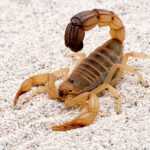
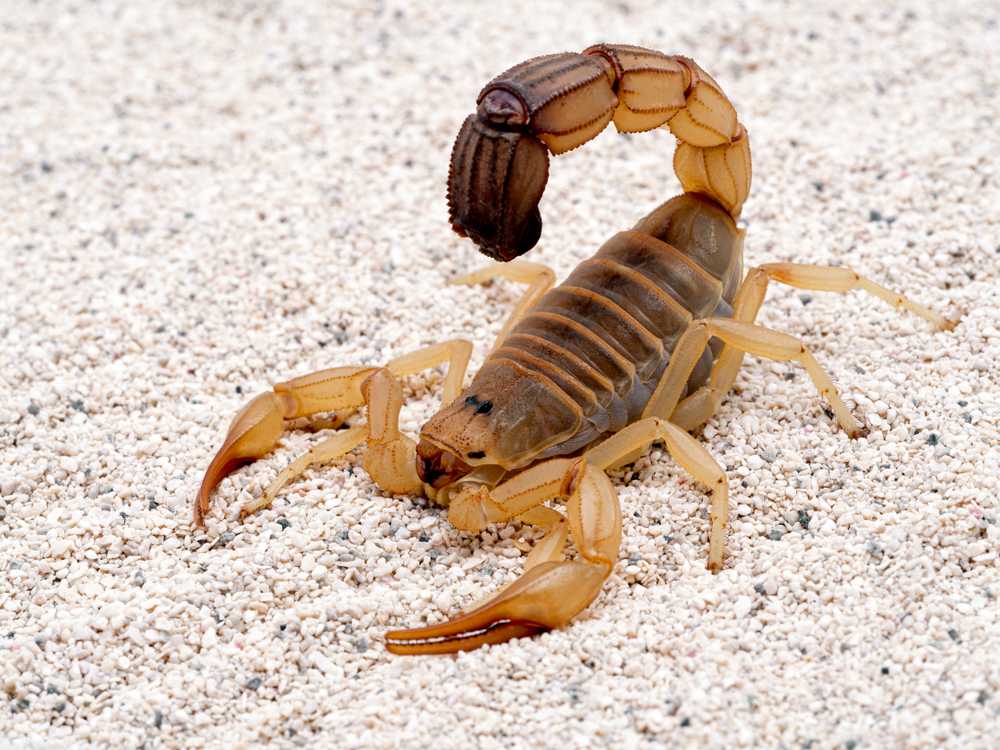
Identifying venomous scorpions and other scorpions involves recognizing their physical characteristics and understanding their behaviors. Scorpions generally have a crablike appearance with pincers, four pairs of legs, and a long, segmented tail with a stinger. Some species, like burrowing scorpions, carry their stinger over their backs, while others, such as those hiding in cracks, hold their stinger to one side.
In the United States, the Arizona bark scorpion is particularly notorious. Found throughout Arizona, southeastern California, southwestern New Mexico, and various regions in Mexico, this species is known for its potent venom and dangerous sting. Bark scorpions are a significant concern for residents in these areas.
While all scorpions are technically poisonous, only a few, like the Arizona bark scorpion, Brazilian yellow scorpion, and deadly scorpions, pose significant risks to humans. Recognizing these venomous species is crucial for safety and prevention.
Common Venomous Scorpion Species
The Arizona bark scorpion (Centruroides exilicauda) is a prime example of a dangerous scorpion species in North America. Measuring up to 3 inches in length, it has a thin tail and a yellow body without stripes or patterns. This species is not only prevalent in Arizona but also found in southeastern California, southwestern New Mexico, and parts of Mexico. Known for its venomous sting, it can cause severe symptoms in humans, making it essential to recognize and avoid this scorpion.
Another venomous species is the Brazilian yellow scorpion, commonly found in South America. This scorpion is notorious for its potent venom, which can lead to severe reactions. Understanding and identifying these dangerous species can help prevent harmful encounters and ensure timely medical intervention if stings occur.
Venom Potency and Effects
The potency of scorpion venom varies significantly among species, influencing the severity of the symptoms experienced by humans. Some scorpions produce venom that causes mild discomfort, similar to a bee sting, while others, like the Arizona bark scorpion and Brazilian yellow scorpion, can deliver venomous stings that result in severe, life-threatening reactions. The effects of a venomous sting can range from sharp pain and localized swelling to serious systemic symptoms that require immediate medical attention.
Understanding the variability in venom potency is crucial for assessing the risk posed by different scorpion species. It also underscores the importance of seeking medical help when stung by a scorpion known for its potent venom to prevent severe complications.
Symptoms of a Venomous Scorpion Sting
Symptoms of a venomous scorpion sting can vary widely, ranging from mild to severe. Common symptoms include sharp pain, burning, redness, swelling, numbness, tingling, and muscle twitching. Additional symptoms may include dizziness, sweating, and headaches. Typically, these symptoms last about 30 minutes, but the duration and severity can vary based on the scorpion species and the individual’s reaction.
It’s important to differentiate between mild reactions and severe reactions to scorpion stings. While most scorpions cause only mild symptoms, certain species can induce severe reactions that require immediate medical attention. Recognizing these symptoms aids in assessing sting severity and determining the necessary action.
Mild Reactions
Mild reactions to scorpion stings usually involve localized symptoms such as pain, redness, and mild swelling around the sting site. The intensity of the pain can vary, but it is often comparable to a bee sting. Over-the-counter pain medications can help alleviate the discomfort, making these stings more manageable at home.
Despite the initial pain, these symptoms typically resolve on their own within a short period. Monitoring the sting site for worsening symptoms is necessary, as it could indicate a more severe reaction.
Severe Reactions
Severe reactions to scorpion stings can lead to systemic symptoms that are potentially life-threatening. These symptoms may include intense muscle twitching, difficulty breathing, and respiratory paralysis. Victims may also experience severe pain, intense muscle contractions, and heart rate fluctuations. Children are particularly vulnerable to severe reactions due to their smaller body size.
In extreme cases, severe reactions can lead to neurological symptoms such as slurred speech or confusion, and in rare cases, death. Prompt medical attention is crucial for managing these severe reactions and preventing serious complications.
Immediate Steps After a Venomous Scorpion Sting
If stung by a scorpion, taking immediate action can help alleviate pain and prevent complications. Here are the steps to follow:
- Clean the sting site with soap and water to reduce the risk of infection.
- Apply ice to the area to numb the pain and reduce swelling.
- Elevate the affected limb if possible.
- Consider taking over-the-counter antihistamines to help manage symptoms.
By following these steps, you can effectively address the sting and minimize discomfort.
In most cases, scorpion stings do not require medical attention, but it’s essential to seek professional help if stung by a bark scorpion or if symptoms suggest an allergic reaction. Persistent or worsening symptoms may indicate the need for further medical intervention.
Medical Treatment for Scorpion Stings
Medical treatment for scorpion stings is necessary in cases of severe reactions. Antivenom is often administered for serious stings, particularly from the bark scorpion. Severe complications such as respiratory distress, cardiac issues, or neurological symptoms like slurred speech may also require immediate medical attention.
If severe symptoms develop or the type of scorpion is unknown, you should seek medical attention immediately. For severe allergic reactions, using an epinephrine auto-injector and seeking emergency care can save lives.
While less than 5% of scorpion stings require medical intervention, it’s essential to be prepared for these rare but serious cases.
Preventing Scorpion Stings
Preventing scorpion stings involves making your environment less attractive to these nocturnal hunters. Scorpions are primarily active at night and tend to hide during the day. To reduce the likelihood of scorpion encounters, avoid leaving shoes, boots, and clothing items outdoors, and always shake them out before wearing. Wearing gloves when working in the yard and shoes outdoors, especially in the evening, can also help prevent stings.
Using a portable black light to survey for scorpions can be an effective prevention measure, as scorpions glow under black light. Being proactive in scorpion-prone areas can significantly reduce the risk of stings.
Home Prevention Tips
Home prevention tips focus on modifying the area around your house to deter scorpions. Pruning tree branches away from the house can prevent scorpions from accessing roofs. Ensuring that screens on windows are tight-fitting is also vital to keep scorpions out. Using yellow outdoor lighting can reduce the number of scorpions around your home, as they are less attracted to this type of light.
Making your home less attractive to scorpions is crucial for preventing stings. By implementing these practical tips, you can create a safer environment for you and your family.
Outdoor Safety Measures
When venturing outdoors, particularly in scorpion-prone areas, it’s essential to take safety measures. Here are some precautions to consider:
- Wear protective clothing.
- Avoid rocky areas and dense vegetation to decrease the risk of encountering scorpions.
- Use a trowel to gently move items before placing your hands to prevent accidental stings from hidden scorpions.
Avoiding dense foliage while hiking and using UV light to survey the ground can further reduce the likelihood of scorpion encounters. These outdoor safety measures are vital for enjoying nature while staying safe from scorpion stings.
The Role of Pest Control in Managing Scorpions
Professional pest control plays a crucial role in managing scorpion populations. While pesticides are often ineffective due to scorpions’ tendency to hide in cracks and crevices, integrated pest management approaches can effectively reduce scorpion infestations. Pest control services help prevent scorpions from moving into residential areas, significantly reducing the risk of stings.
Professional pest control services manage scorpion infestations effectively and safely. This method targets visible scorpions and addresses hidden populations, offering comprehensive protection for your home.
Scorpion Management
Understanding venomous scorpions and their stings is crucial for staying safe in scorpion-prone areas. By recognizing venomous species, knowing the symptoms of stings, and taking immediate action, you can prevent severe reactions and ensure timely medical intervention. Preventive measures and professional pest control services are essential for managing scorpion populations effectively.
Being proactive and informed is the best defense against scorpion stings. For comprehensive scorpion management, trust the expertise of a professional to keep your home and loved ones safe from these dangerous creatures.
Frequently Asked Questions
What should I do immediately after being stung by a scorpion?
Immediately clean the sting site with soap and water, apply ice, and elevate the area. If you are stung by a bark scorpion or experience worsening symptoms, seek medical attention promptly.
How can I identify a venomous scorpion?
To identify a venomous scorpion, examine its physical traits, specifically looking for a segmented tail with a stinger and prominent pincers. Notably, the Arizona bark scorpion and Brazilian yellow scorpion are among the most dangerous species.
What are the symptoms of a venomous scorpion sting?
The symptoms of a venomous scorpion sting include sharp pain, redness, swelling, muscle twitching, and in severe cases, difficulty breathing. It is essential to seek medical attention if such symptoms occur.
How can I prevent scorpion stings in my home?
To prevent scorpion stings in your home, modify your surroundings by pruning tree branches, ensuring tight-fitting screens, and using yellow outdoor lighting. These measures can effectively deter scorpions and enhance your safety.
Why should I choose Las Vegas Pest Control for scorpion management?
Choosing Las Vegas Pest Control for scorpion management is wise due to their over 20 years of experience, utilization of professional techniques, and commitment to eco-friendly methods, ensuring effective management of scorpion populations.