What Attracts Spiders to Your Home and How to Keep Them Out
Spiders usually enter homes because they find the basic conditions they need to survive. Food, shelter, and moisture all play a role in attracting them indoors. If your home has a steady supply of insects to feed on, dark and quiet places to hide, and damp areas where they can stay hydrated, spiders are much more likely to settle in and remain nearby. This guide explains what attracts spiders, where they commonly enter, and what steps can help reduce spider activity around the home.
What to Know
- Spiders are usually attracted to homes by food, shelter, and moisture.
- Other insects, cluttered areas, and damp spaces make homes more inviting to spiders.
- Regular cleaning, sealing entry points, and reducing moisture can help lower spider activity indoors.
Why Spiders Are Attracted to Your Home
Spiders do not typically appear indoors for no reason. In most cases, they are responding to favorable conditions inside or around the home. Understanding those conditions can make prevention much easier.
Food Sources
One of the main reasons spiders enter homes is to hunt other insects. Flies, mosquitoes, ants, moths, and cockroaches can all serve as food. When these insects are already active indoors, spiders may follow and stay where prey is easy to find.
This is why spider activity often increases in homes with other pest problems. Reducing insect populations can also reduce the food source that keeps spiders around.
Shelter and Hiding Places
Spiders prefer quiet, undisturbed places where they can hide during the day and build webs without interruption. Cluttered areas, storage spaces, basements, attics, closets, garages, and the spaces under furniture often give them the kind of shelter they need.
Homes with lots of cardboard boxes, piles of stored items, or rarely cleaned corners tend to offer more hiding spots. The more shelter a home provides, the more likely spiders are to remain indoors once they enter.
Moisture and Humidity
Moisture is another major factor that can attract spiders. Damp spaces such as bathrooms, basements, laundry rooms, crawl spaces, and areas near leaking pipes often support both spiders and the insects they feed on. High humidity can make these areas especially appealing.
By lowering humidity and fixing leaks, homeowners can make indoor spaces less comfortable for both spiders and their prey.
Common Entry Points for Spiders
Spiders can slip into homes through surprisingly small openings. Common entry points include cracks in walls, gaps around windows and doors, openings near utility lines, vents, and foundation gaps. Even small structural openings can give them easy access indoors.
Spiders may also be carried inside on items such as plants, firewood, patio cushions, storage boxes, and other outdoor objects. Because of this, it helps to inspect these items before bringing them inside.
Sealing gaps and paying attention to what enters the home can reduce the number of spiders that make it indoors in the first place.
Outdoor Conditions That Attract Spiders
Outdoor conditions around the home can also make spider activity worse. Bright exterior lights attract insects at night, and those insects then attract spiders. Shrubs, bushes, wood piles, mulch, leaf litter, and yard debris provide sheltered places where spiders can hide and build webs close to the home.
If spider activity seems to be increasing near windows, porches, patios, or garages, the source may begin outside. Trimming vegetation, cleaning up debris, and using less insect-attracting lighting can help reduce spider pressure before it reaches the house.
Seasonal Changes and Spider Activity
Spider activity can also change with the seasons. In warmer months, insect populations often increase, which gives spiders more food. In cooler months, some spiders move indoors to escape temperature changes and seek more stable shelter.
Homeowners often notice more spiders indoors during seasonal transitions, especially in early fall when temperatures begin to shift. Knowing this pattern can help you stay proactive with cleaning, inspections, and sealing work before spider activity increases.
Signs of Spider Activity Indoors
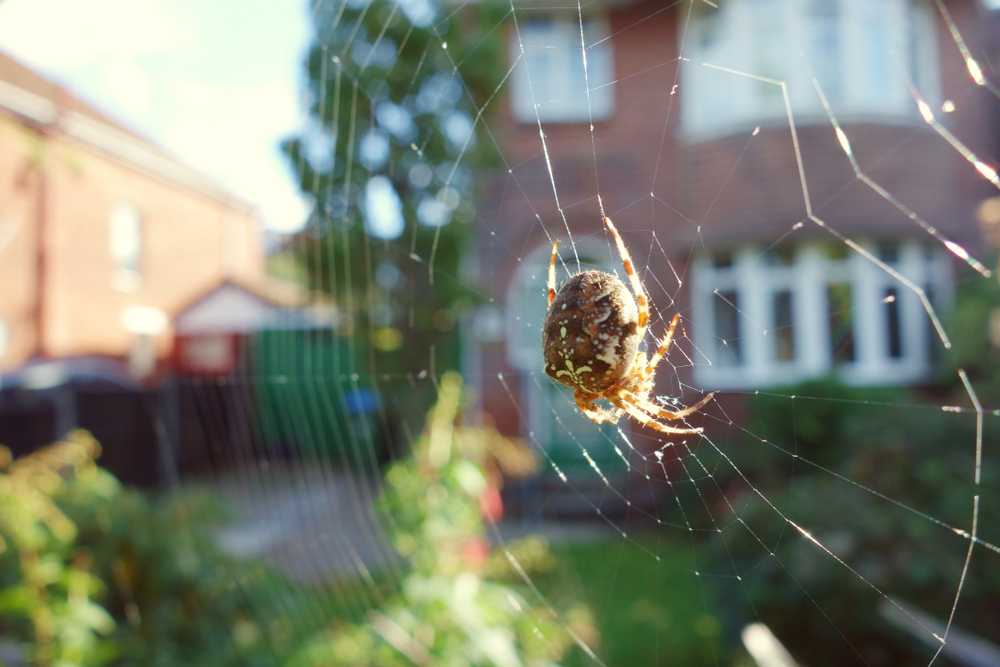
Spiders often stay hidden, so the first signs of activity are not always the spiders themselves. In many homes, spider webs are the earliest and most obvious clue. You may also notice egg sacs in corners, repeated sightings of spiders in the same rooms, or an increase in the insects that attract them.
Common signs include:
- webs in corners, around ceilings, or near windows
- egg sacs in quiet or undisturbed areas
- repeated spider sightings in basements, bathrooms, or storage spaces
- other insects indoors that may be attracting spiders
Catching these signs early can help you respond before spider activity becomes more established.
How to Help Keep Spiders Out
Keeping spiders out usually requires reducing the conditions that attract them. The most effective approach combines sanitation, exclusion, and moisture control rather than relying on just one method.
Helpful steps include:
- vacuuming regularly, especially in corners and along baseboards
- removing webs and egg sacs promptly
- reducing clutter in storage areas and closets
- sealing cracks, gaps, and openings around the home
- fixing leaks and lowering indoor humidity
- controlling other insects that serve as food for spiders
- trimming plants and moving debris away from the foundation
These steps help reduce both spider hiding places and the insect activity that encourages spiders to stay.
Natural Ways to Deter Spiders
Some homeowners also use natural repellents to discourage spiders from gathering in certain areas. Peppermint, lavender, eucalyptus, and vinegar are commonly used around windowsills, door frames, closets, and storage areas. While these methods may not solve a heavy spider problem on their own, they can be useful as part of a broader prevention plan.
Natural deterrents tend to work best when they are combined with regular cleaning and entry-point sealing rather than used as a stand-alone solution.
When Professional Spider Control Makes Sense
Professional pest control may be the best option when spider activity continues despite cleaning and prevention efforts. This is especially true when webs and egg sacs keep reappearing, when spider sightings become frequent, or when other insect infestations continue to attract spiders indoors.
A professional can help identify the conditions supporting spider activity, treat hidden areas more thoroughly, and reduce the insects that serve as the spiders’ food source. This kind of treatment can be especially helpful in larger homes, homes with crawl spaces or attics, or situations where spider activity keeps returning.
Keeping Your Home Less Attractive to Spiders
Spiders are usually drawn indoors by food, shelter, and moisture. When those conditions are reduced, spider activity often becomes easier to manage. Knowing what attracts spiders and how they enter can help homeowners take more effective preventive steps.
By combining regular cleaning, moisture control, sealing work, and outdoor maintenance, you can make your home less inviting to spiders and reduce the chances of an infestation becoming a long-term problem.
Frequently Asked Questions
What smell do spiders hate?
Spiders dislike peppermint, lavender, eucalyptus, and citrus scents. A simple spray made from these essential oils mixed with water can keep them away effectively.
What are spiders most attracted to?
Spiders are mainly attracted to places with insects, warmth, and moisture, such as dark, damp areas like basements or bathrooms. Keeping these spaces clean and dry reduces spider encounters.
Why are spiders attracted to my home?
Spiders find homes attractive because of the abundance of food (insects), hiding spots, and moisture. Maintaining cleanliness and dryness helps keep them away.
How can I prevent spiders from entering my home?
Prevent spiders by regularly cleaning, sealing entry points, and using natural repellents like lavender, mint, or citrus peels. Making your space less inviting is key.
What are common entry points for spiders?
Spiders sneak in through cracks and gaps in windows, doors, walls, open entrances, and items like plants and firewood. Sealing these areas helps keep them out.
Do spiders pose any danger to humans?
Most indoor spiders are harmless and beneficial as they feed on other pests. However, identifying and managing any potentially harmful species is important for safety.
Can spiders survive without water inside the house?
Spiders need moisture to stay hydrated and are attracted to homes with standing water or high humidity. Eliminating moisture sources helps prevent infestations.
How do spiders find their next meal inside homes?
Spiders detect prey like insects through vibrations and chemical signals. Controlling insect populations reduces spider food sources and presence.