Hornet Control: Types, Threats, and Safe Removal Tips
Hornets can become a serious problem when they build nests near homes, patios, garages, or other high-traffic outdoor areas. Effective hornet control starts with understanding how to identify hornets, where they build nests, what risks they pose, and which prevention and removal steps can help keep them away. This guide explains the basics of hornet control and what homeowners should know before trying to manage a nest.
What to Know
- Prevention, careful nest management, and professional removal for larger nests are the most effective ways to reduce hornet activity around the home.
- Hornet control works best when nests are identified early and treated before colonies grow larger.
- Hornets are social wasps that may sting repeatedly when defending a nest.
Understanding Hornets
Hornets are a type of social wasp known for their large size, paper-like nests, and aggressive nest defense. True hornets belong to the genus Vespa, although some insects commonly called hornets, such as the bald-faced hornet, are technically different types of wasps.
For homeowners, the most important thing is not the scientific label but the behavior. Hornets build communal nests, defend them aggressively, and can become a serious concern when they establish colonies near entry points, outdoor seating areas, sheds, or rooflines.
How to Identify Hornets
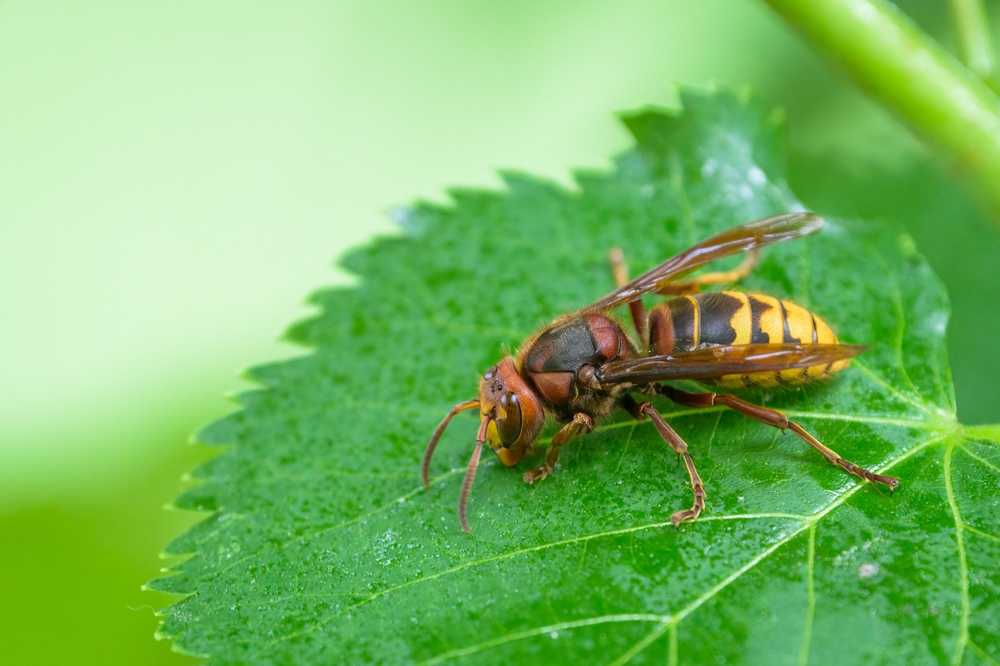
Hornets are larger and heavier-bodied than many other wasps. They usually have a more robust shape, a thicker abdomen, and bold color patterns that may include black, brown, yellow, white, or reddish tones depending on the species. Their size alone often makes them stand out when compared with paper wasps or yellowjackets.
Homeowners often notice hornets first when they see them flying near rooflines, trees, shrubs, sheds, or outdoor lights. While many wasps can look similar at a glance, hornets usually appear bulkier and more intimidating than the smaller species commonly found around homes.
Where Hornets Are Commonly Found Around Homes
Hornets are most often found in areas that provide shelter, nesting support, and access to other insects. Around homes, they may gather near eaves, tree branches, shrubs, sheds, attics, wall voids, and outdoor structures. Some species are also attracted to areas where lights draw in flying insects at night.
Because they often build nests above ground or in protected cavities, homeowners may not notice activity right away. In many cases, the first clue is repeated hornet traffic in the same part of the yard or around the same section of the house.
Common Hornet Types
Several hornet species and hornet-like wasps may be encountered around homes and wooded areas.
European Hornet
The European hornet is one of the best-known true hornets in North America. It has a reddish-brown thorax and yellow-and-black markings on the abdomen. This species often nests in hollow trees, wall voids, sheds, and other protected spaces.
Baldfaced Hornet
The baldfaced hornet is not a true hornet, but it is commonly called one because of its size and behavior. It has black and white coloring and is known for building large aerial nests in trees, shrubs, and around rooflines.
Other Notable Hornets
Other hornet species, such as the yellow-legged hornet, oriental hornet, and northern giant hornet, are more often discussed because of their invasive potential, sting risks, or effects on honey bee colonies. While not all of these species are common in every area, understanding the differences can still be helpful when discussing hornet control and identification.
Hornet Nests and Nesting Habits
Hornets build paper-like nests by chewing wood fibers and mixing them with saliva. These nests may hang from tree branches, appear under eaves, or be hidden in wall voids, sheds, or hollow trees. Some species may also build underground nests.
Hornet colonies usually begin in spring when a queen starts a new nest. As the season progresses, workers expand the nest, care for larvae, and defend the colony. By late summer, nests can grow large enough to create serious sting risks if disturbed.
Why Hornets Can Be a Problem
Hornets play a useful role in the environment because they prey on other insects, but they can become dangerous when they nest too close to people. Their large size, ability to sting repeatedly, and aggressive behavior near the nest make them more concerning than many other wasps.
Problems often increase when hornets build nests near:
- front doors
- patios and decks
- garages and sheds
- rooflines and attic vents
- children’s play areas
- walkways and outdoor seating areas
In these situations, hornet control becomes important for both safety and comfort.
Hornet Stings and Health Risks
Hornet stings are painful and can cause redness, swelling, and significant discomfort. Because hornets can sting more than once, a single nest disturbance may lead to multiple stings in a short time.
More serious reactions may include:
- trouble breathing
- swelling beyond the sting area
- dizziness
- hives
- signs of an allergic reaction or anaphylaxis
People with known sting allergies should be especially cautious and seek medical help immediately if severe symptoms develop.
Preventing Hornet Problems
Preventing hornets from nesting near the home is one of the best hornet control strategies. Helpful prevention steps include:
- removing fallen fruit from the yard
- keeping outdoor trash containers sealed
- limiting food and drink residue near outdoor seating areas
- trimming trees and shrubs near the house
- sealing cracks or openings in sheds, rooflines, and wall voids
- checking eaves, trees, and outbuildings regularly for early nest activity
Early detection can make hornet control easier and reduce the chance of dealing with a large, defensive colony later in the season.
Safe Hornet Nest Removal
Hornet nest removal should always be approached carefully. Small nests may sometimes be treated when they are easy to reach and located away from high-traffic areas. The safest time for nest treatment is usually at night, when hornets are less active.
Important precautions include:
- wearing protective clothing
- using long-range treatment methods when appropriate
- avoiding direct disturbance of the nest
- never burning or physically smashing an active nest
Because hornets defend their nests aggressively, DIY removal can become dangerous quickly if the nest is large, hidden, or hard to access.
When Professional Hornet Control Makes Sense
Professional hornet control may be the safest option when nests are large, hidden, difficult to reach, or located near places where people gather. A pest control professional can identify the hornet species, assess the level of risk, and remove or treat the nest more safely than most homeowners can on their own.
Professional hornet control is especially useful when:
- the nest is inside a wall or roofline
- hornets are entering through vents or structural openings
- the colony is large and highly active
- previous treatment attempts have failed
- there is concern about allergic reactions or multiple stings
Keeping Hornets Away from Your Home
Hornet control depends on a combination of early detection, prevention, and safe action. Understanding where hornets nest, what attracts them, and when they become dangerous can help homeowners respond more effectively.
When nests are small and easy to access, careful treatment may help. When nests are larger, hidden, or located near people, professional hornet control is often the safest and most effective next step.
Frequently Asked Questions
Are hornets insect true wasps?
Yes, hornets insect belong to the Vespa genus, making them true wasps distinguished by their large size and social nesting behavior.
What is the difference between hornets insect and paper wasps?
Hornets insect are generally larger, build more substantial communal nests, and have different coloration patterns compared to paper wasps, which tend to build smaller, umbrella-shaped nests.
Can hornets insect kill honey bee colonies?
Certain hornet insect species, like the Asian giant hornet insect, can attack and decimate honey bee hives, posing a serious threat to pollination and agriculture.
How can I prevent hornet insect stings?
Avoid disturbing nests, wear protective clothing when near nests, and reduce attractants like open garbage and bright outdoor lighting.
When should I call a professional for hornet insect control?
If nests are large, located near high-traffic areas, or if you are allergic to stings, professional pest control services are strongly advised.