Effective Strategies for Managing a Black Widow Infestation
Black widow spiders often remain hidden in quiet, sheltered areas such as garages, sheds, crawl spaces, woodpiles, and storage spaces.
Managing a black widow infestation begins with accurate identification, careful removal, and changes that make the property less inviting. This guide explains how to recognize black widow spiders, identify signs of activity, reduce the risk of bites, and prevent future infestations.
How to Identify Black Widow Spiders
Female black widow spiders are best known for their glossy black bodies and red or orange hourglass-shaped marking on the underside of the abdomen. Some may have additional red markings, and their appearance can vary depending on the species and age of the spider.
Adult females are generally larger and more recognizable than males. Male black widows are smaller, lighter in color, and may have red, pink, or white markings along their backs or sides. Juvenile black widows can also appear lighter and more patterned than mature females.
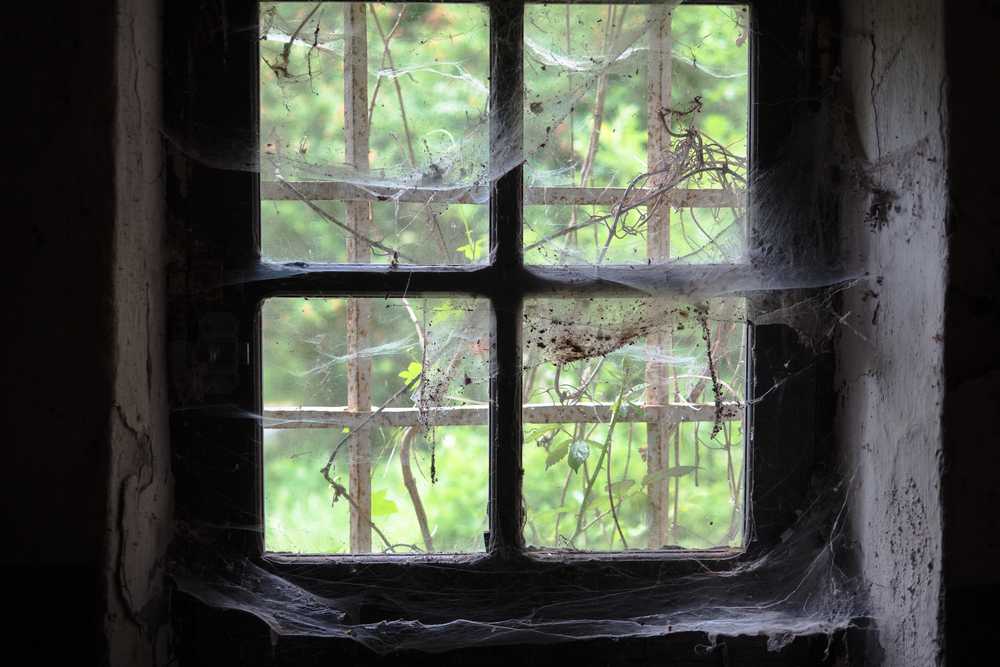
Black widow spiders build irregular, tangled webs rather than the symmetrical webs associated with many other spider species. Their webs are often located close to the ground in protected areas where insects are likely to pass.
Common web locations include:
- Beneath outdoor furniture
- Inside garages and sheds
- Around woodpiles
- Beneath decks and porches
- Inside storage boxes
- Near crawl-space openings
- Around utility equipment
- In quiet corners of basements
Because several spider species can have similar coloring or markings, avoid handling an unfamiliar spider to inspect it more closely.
Signs of a Black Widow Infestation
Seeing one black widow does not always indicate a widespread infestation. However, repeated sightings, multiple webs, or egg sacs may suggest ongoing activity around the property.
Black widows prefer areas that remain dark, dry, and relatively undisturbed. Cluttered storage spaces and outdoor debris can provide both shelter and access to insect prey.
Signs of black widow activity may include:
- Irregular, tangled webs near the ground
- Adult spiders hiding close to their webs
- Round or oval egg sacs attached to webbing
- Multiple webs in garages, sheds, or storage areas
- Spider activity around woodpiles or outdoor equipment
- Repeated sightings in the same part of the property
Black widow egg sacs may contain many developing spiders, so they should be handled carefully. Crushing or disturbing a sac can release spiderlings into the surrounding area.
Risks Associated with Black Widow Spider Bites
Black widow spiders are not typically aggressive and usually bite when trapped, pressed against the skin, or disturbed near their webs or egg sacs.
A bite may initially feel like a pinprick or may not be noticed immediately. Symptoms can develop around the bite site or affect other parts of the body.
Possible symptoms include:
- Pain, redness, or swelling
- Muscle cramping or stiffness
- Abdominal or back pain
- Sweating
- Nausea or vomiting
- Headache
- Restlessness
- Difficulty breathing
Children, older adults, and individuals with certain health conditions may be more likely to experience severe symptoms.
Anyone who suspects a black widow bite should contact a medical professional or poison control center for guidance. Seek emergency care for severe pain, breathing difficulty, widespread muscle cramping, weakness, or rapidly worsening symptoms.
Avoid cutting the bite, attempting to remove venom, or applying unapproved substances to the affected area.
How to Get Rid of Black Widow Spiders Safely
Black widow spiders and their webs should be approached carefully. Wear closed-toe shoes, long sleeves, gloves, and other protective clothing when working in areas where spiders may be present.
Never place bare hands into dark corners, storage boxes, woodpiles, or other areas that cannot be clearly inspected.
Vacuum Spiders and Webs
A vacuum with a hose attachment can be used to remove visible spiders, webs, and egg sacs from accessible indoor areas.
After vacuuming:
- Seal and discard a disposable vacuum bag outdoors.
- Empty a bagless canister into a sealed outdoor trash bag.
- Clean the canister according to the manufacturer’s instructions.
- Avoid handling collected material directly.
Vacuuming can remove visible activity, but it may not address spiders hiding in cracks or other inaccessible areas.
Remove Clutter and Hiding Places
Reducing clutter makes it more difficult for black widows to establish protected nesting areas.
Focus on:
- Removing unused cardboard boxes
- Organizing storage areas
- Clearing debris from garages and sheds
- Moving outdoor equipment away from walls
- Disposing of unused lumber
- Keeping floor edges and corners accessible for cleaning
Use sealed plastic containers instead of cardboard boxes when storing items for long periods.
Seal Entry Points
Black widow spiders may enter through gaps around doors, windows, vents, utility lines, and foundations.
Inspect the exterior of the home and seal accessible openings with appropriate materials. Replace damaged screens and weatherstripping, and install door sweeps where gaps are present.
Sealing entry points may not eliminate spiders already inside, but it can reduce future access.
Use Spider-Control Products Carefully
Pesticides labeled for spider control may be used in certain areas, but they must be applied according to the product label.
Broad surface spraying may not be effective if the product does not reach the spider directly or penetrate its hiding place. Avoid applying pesticides to areas accessible to children or pets unless the label specifically permits that use.
Do not mix products or apply more than the recommended amount.
When Professional Treatment May Be Needed
Professional pest control may be appropriate when black widows are repeatedly found indoors, several egg sacs are present, or spiders are nesting in areas that are difficult to access safely.
A pest control professional can inspect likely hiding places, identify areas of concentrated activity, remove accessible webs and egg sacs, and recommend targeted treatment.
Professional service may be especially helpful when:
- Multiple black widows are found around the property
- Egg sacs are present
- Spiders are appearing inside living areas
- Activity continues after cleaning and exclusion work
- Nests are located in crawl spaces or wall voids
- Children or pets regularly use the affected area
- Someone in the household is at greater risk from a bite
Treatment should address both the spiders and the conditions supporting their presence, including insect activity, clutter, and structural openings.
How to Prevent Future Black Widow Activity
Prevention focuses on limiting shelter, reducing food sources, and making it harder for spiders to enter the home.
Keep Storage Areas Organized
Regularly clean garages, sheds, basements, crawl spaces, and other low-traffic areas. Avoid allowing boxes, equipment, or debris to remain undisturbed for long periods.
Store seasonal items in sealed plastic containers and keep them elevated when possible.
Move Firewood Away From the Home
Firewood, lumber, and outdoor debris can provide protected hiding places for black widows.
Keep wood elevated and stored away from exterior walls. Wear gloves when moving firewood, and inspect individual pieces before bringing them indoors.
Reduce Insect Activity
Black widows settle in areas where prey is readily available. Reducing insects around the property can make those locations less attractive.
Helpful steps include:
- Repairing damaged window and door screens
- Cleaning food spills and crumbs
- Keeping trash containers sealed
- Reducing standing water
- Adjusting outdoor lighting when it attracts large numbers of insects
- Cleaning webs from exterior corners and fixtures
Inspect Outdoor Items Before Moving Them
Check patio furniture, toys, gardening supplies, storage bins, and outdoor equipment before carrying them indoors.
Shake out gloves, shoes, clothing, and other items that have been stored in garages, sheds, or outdoor areas.
Maintain the Property
Trim vegetation away from exterior walls and remove piles of leaves, debris, or unused materials. Keep crawl-space openings screened and repair cracks or gaps around the foundation.
Routine cleaning and inspection can reveal new webs before black widows become established.
Frequently Asked Questions
How can I identify a black widow spider?
To identify a black widow spider, observe its glossy black body and the distinctive red hourglass marking on its abdomen. These features are key indicators of this species.
Where are black widow spiders typically found?
Black widow spiders are typically found in dark, secluded areas such as crevices, cluttered spaces, and woodpiles. It is advisable to exercise caution in such habitats.
What are the symptoms of a black widow spider bite?
A black widow spider bite typically causes severe muscle aches, cramps, and difficulty breathing. It is crucial to seek medical attention if bitten, as these symptoms can escalate quickly.
Can I handle a black widow infestation on my own?
It is advisable to seek professional pest control for a black widow infestation, as DIY methods may not be effective for larger issues. Taking this step ensures proper handling of the situation.
How can I prevent future infestations?
To prevent future infestations, it is essential to maintain a clean environment, reduce clutter, and store firewood away from your home. Taking these proactive measures will significantly decrease the likelihood of pests entering your space.