Velvety Tree Ants: Identification, Habitat, and Control
Velvety tree ants are distinctive ants commonly found in wooded and urban areas of the western United States. They usually nest outdoors in trees, stumps, logs, or soil, but workers may enter buildings in search of food or establish temporary nests in wall voids and other protected spaces.
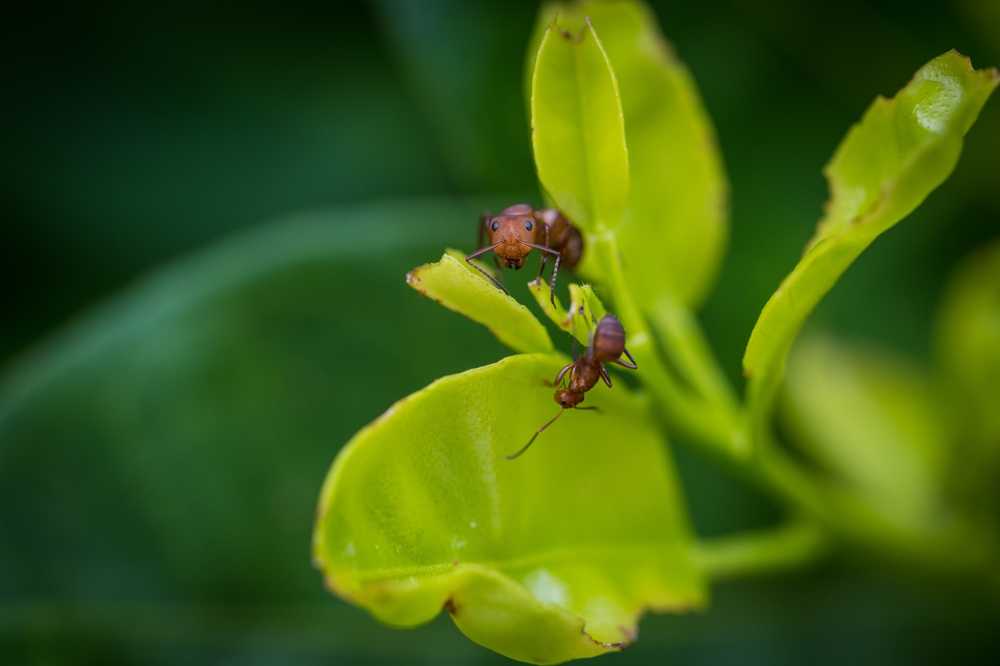
Their reddish-brown thorax, dark head and abdomen, fine body hairs, and strong odor when crushed can help distinguish them from other common ants. Because they may tunnel into wood and insulation, repeated indoor activity should be investigated.
How to Identify Velvety Tree Ants
The western velvety tree ant, Liometopum occidentale, has workers of varying sizes, generally measuring about 1/8 to 1/4 inch long.
Common identifying features include:
- A brownish-black head
- A reddish or reddish-brown thorax
- A dark, velvety-looking abdomen
- Fine hairs covering the body
- One node between the thorax and abdomen
- A strong odor when crushed
Velvety tree ants can resemble carpenter ants because both species vary in worker size and may nest in wood. Carpenter ants are generally larger, while velvety tree ants have a distinctive velvety abdomen and strong odor.
They may also be confused with odorous house ants, which also produce a noticeable smell when crushed. However, the two species differ in body structure and coloration.
Where Velvety Tree Ants Live
Velvety tree ants are common across parts of the western United States and extend south into Mexico. They are often associated with oak and pine forests but can also occur in landscaped and urban environments.
Natural nesting sites include:
- Hollow trees
- Tree crotches
- Stumps
- Fallen logs
- Dead or decaying wood
- Areas beneath loose bark
- Soil beneath rocks or timber
Around homes, colonies may also be associated with stacked lumber, landscaping timbers, or decaying trees close to the structure.
Workers sometimes enter buildings and may establish temporary nests inside wall voids, insulation, or areas affected by water leaks.
Why Velvety Tree Ants Enter Homes
Velvety tree ants typically enter buildings while searching for food, moisture, or additional nesting areas.
They feed on insects as well as sweet substances such as honeydew produced by aphids, mealybugs, and scale insects. Long foraging trails may extend from outdoor nests to buildings when food sources are available nearby.
Branches touching a roof or exterior wall can provide a direct pathway indoors. Gaps around siding, windows, doors, plumbing, and utility lines may also allow workers to enter.
Moisture problems can make wall voids and other protected areas more suitable for temporary nesting.
Velvety Tree Ant Behavior
Velvety tree ants often travel in noticeable trails between nesting sites and food sources.
Workers may forage:
- Along tree trunks and branches
- Beneath bark
- Across soil and leaf litter
- Around landscaping
- Along exterior walls
- Through cracks or structural openings
They commonly feed on other insects and collect sugary honeydew from plant-feeding insects.
Velvety tree ants can be aggressive when disturbed. They may bite and release defensive secretions that create a strong odor.
Can Velvety Tree Ants Damage a Home?
Velvety tree ants do not eat wood the way termites do, but they can excavate it to create nesting space.
They may tunnel into:
- Structural wood
- Damaged or moisture-affected lumber
- Wall voids
- Insulation
- Dead or decaying wood around the property
Significant nesting activity can damage wood or insulation over time, especially when colonies are allowed to remain near or inside a building.
Finding wood shavings, ant trails, or repeated indoor activity near damp or damaged wood may indicate a nesting site nearby.
Are Velvety Tree Ants Dangerous?
Velvety tree ants are not generally considered medically dangerous, but they can be aggressive when threatened.
Workers may bite and release defensive secretions onto the skin. The bite can be painful and irritating, particularly when several ants are involved.
Avoid disturbing large trails or nests with bare hands.
Seek medical care if a bite causes severe swelling, difficulty breathing, or another significant reaction.
How to Prevent Velvety Tree Ants
Prevention focuses on limiting access to the structure and reducing nesting conditions around the property.
Seal Entry Points
Inspect the exterior for gaps around:
- Doors and windows
- Siding
- Foundations
- Utility lines
- Plumbing penetrations
- Rooflines
- Vents
Seal accessible openings with appropriate materials.
Trim Trees and Shrubs
Tree branches and shrubs touching the building can provide pathways for ants.
Trim vegetation away from exterior walls, roofs, and windows to reduce direct access.
Address Moisture Problems
Repair leaks and improve ventilation in areas where moisture accumulates.
Pay particular attention to:
- Wall voids
- Crawl spaces
- Plumbing areas
- Roof leaks
- Damp wood
Moisture-damaged wood should be repaired or replaced when necessary.
Remove Potential Nesting Sites
Keep logs, lumber, and decaying wood away from the structure.
Remove dead branches, deteriorating stumps, and other damaged wood that could provide nesting sites close to the home.
How to Control Velvety Tree Ants
Successful control begins with locating the primary nesting areas and identifying the trails workers use.
Follow Ant Trails
Observe where ants are traveling rather than treating only the individuals visible indoors.
Trails may lead to:
- Trees
- Stumps
- Logs
- Landscaping
- Wall openings
- Areas with damaged wood
- Moisture-prone locations
Finding the nest or primary foraging route makes control more effective.
Use Ant Baits When Appropriate
Velvety tree ants may feed on sweet ant baits.
Place bait where ants are actively foraging and follow all product-label instructions. Avoid spraying directly around bait stations, since repellent treatments can interfere with ants feeding on and carrying bait.
Correct Structural and Landscape Conditions
Treatment alone may not prevent new activity if ants still have easy access to the building.
Combine control with:
- Tree and shrub trimming
- Moisture repairs
- Removal of damaged wood
- Sealing structural openings
- Reduction of nearby nesting material
When Professional Pest Control May Be Needed
Professional help may be appropriate when:
- Ants repeatedly appear indoors
- Large trails are present around the structure
- A nest appears to be inside a wall or other inaccessible area
- Wood or insulation shows signs of damage
- Multiple nesting sites are suspected
- Activity continues after exclusion and baiting
- The ant species cannot be confidently identified
A professional inspection can help identify the species, trace foraging trails, locate nesting areas, and determine whether structural conditions are contributing to the infestation.
Managing Velvety Tree Ant Activity
An occasional velvety tree ant outdoors may not require treatment. Repeated activity near a home, large foraging trails, or ants emerging from structural wood should be investigated.
Reducing moisture, removing decaying wood, trimming vegetation away from the building, and sealing entry points can make the property less attractive to these ants and help prevent indoor activity.
Frequently Asked Questions
What are the key characteristics that help identify velvety tree ants?
They have a black head and abdomen with a reddish thorax covered in velvety hairs, produce an unpleasant odor when crushed, and display polymorphic workers. They resemble carpenter ants and odorous house ants.
Where do velvety tree ants establish their nests?
They nest in tree crooks, hollows, fallen timber, tree stumps, and wall voids near leaky pipes.
Do velvety tree ants pose a threat to human safety?
Yes, they are aggressive biters that spray painful secretions and cause structural wood damage.
What do velvety tree ants eat?
They primarily feed on prey insects and hemipterans.
How can I prevent velvety tree ants from infesting my property?
Perform thorough inspections of exterior cracks and moisture areas, maintain cleanliness, use peppermint oil deterrents, and seek professional pest control for treatment.