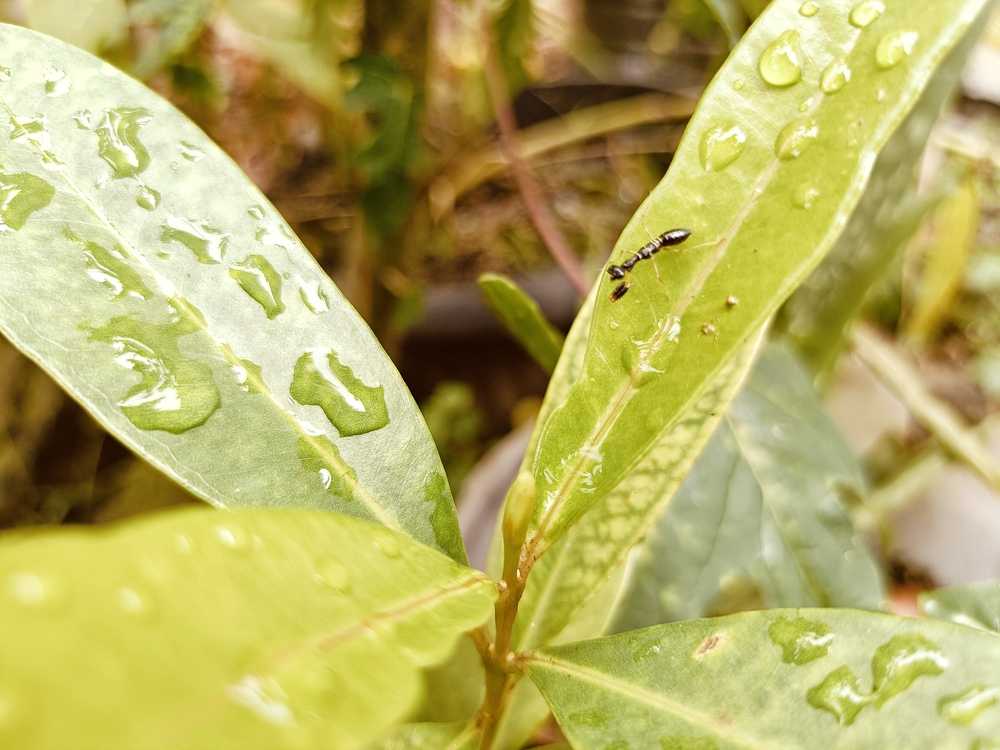
The Relationship Between Ants and Moisture
You may notice tiny intruders moving along damp areas inside your house. The connection between ants and moisture is crucial because these insects prefer humid locations such as basements, crawl spaces, and areas near plumbing leaks or water-damaged wood. These pests act as natural indicators of moisture, selecting environments with high humidity to feed on honeydew and tend aphids. Recognizing their attraction to dampness enables you to develop effective strategies to eliminate them from your dry spaces. This guide explores these moisture-loving ants through identification methods and control techniques, particularly for residents in humid regions such as the Pacific Northwest.
- These ants thrive exclusively in environments with water because their survival depends on damp conditions, making homes with water damage or high humidity ideal habitats.
- Detecting these ants requires a careful approach since they display yellowish-brown coloration with transparent abdomens, and their mating flights produce winged males and females. These features distinguish them from carpenter ants and sugar ants.
- These insects live in colonies typically headed by a single queen, emphasizing the importance of targeting the queen during control efforts.
- Effective control focuses on moisture management, combined with targeted insecticide treatments and preventive measures, to maintain dryness within your home.
Understanding Ants and Moisture
These moisture-dependent ants are a species closely linked to damp environments, often found inhabiting basements, crawl spaces, and areas with plumbing leaks or water-damaged wood. Their survival and colony growth rely heavily on consistent moisture levels, as water is essential for regulating their body functions and nest construction.
These ants require constant moisture and avoid dry locations, making them largely nuisance pests that signal an underlying moisture problem in your home. Understanding their preferences allows for precise identification and effective removal of these unwelcome invaders.
Identifying Moisture Ants
The first step in pest control is accurate identification. Unlike common kitchen ants, these ants exhibit unique characteristics that help distinguish them from other species people mistake for them.
Characteristics
They typically have yellowish-brown bodies with smooth, shiny surfaces and translucent abdomens that reflect light. Their uniform size of about 1/8 inch and their yellow tint often lead many homeowners to confuse them with sugar ants or carpenter ants until closer inspection reveals distinct traits.
Common Habitats and Moisture Ant Colonies
Their colonies build nests in damp soil, rotting wood, and water-damaged timber often found near foundations, crawl spaces, and basement floors. They are especially common in the Pacific Northwest due to the region’s high humidity and frequent moisture problems. Identifying these habitats is key to controlling infestations.
Damage Caused by Moisture Ants
Though these ants are largely nuisance pests and less destructive than carpenter ants or termites, they are classified as wood-destroying insects because they nest in water-softened wood. Their tunneling accelerates wood decay and can cause structural damage if left untreated.
They build intricate nests using a carton-like material made from decaying wood fibers and soil. This nest construction often keeps moisture trapped, worsening wood decay and facilitating further infestation. Maintaining your house by fixing plumbing leaks, replacing rotting wood, and eliminating damp environments helps prevent their intrusion.
Moisture Ants vs. Carpenter Ants
While these ants and carpenter ants may appear similar, they have notable differences:
- These ants have yellowish-brown bodies with translucent abdomens, whereas carpenter ants are typically larger, black, or dark brown.
- Carpenter ants excavate dry wood to build nests, causing direct structural damage, while these ants only infest already water-damaged wood and indicate an underlying moisture problem.
Recognizing these differences prevents unnecessary alarm and guides appropriate pest control actions.
Signs of a Moisture Ant Infestation
Detecting an infestation involves observing several signs of infestation:
- Presence of winged males and females during mating flights, often emerging indoors or near foundations.
- Soil or sawdust-like material accumulating on basement floors or pushed through wall cracks, indicating tunneling activity.
- Visible nests made from carton material in damp areas such as behind baseboards, wall heaters, or in crawl spaces.
- Increased ant activity near plumbing leaks, water-damaged wood, or damp soil.
These signs highlight the urgency to inspect and resolve moisture issues promptly.
How to Get Rid of Moisture Ants
Effective removal requires a comprehensive strategy focusing on moisture control and targeted treatments. Since these ants depend on water, eliminating all sources of excess moisture is critical. This includes:
- Repairing plumbing leaks and faulty drainage systems.
- Sealing cracks and gaps in foundations and walls.
- Removing or replacing rotting wood and water-damaged materials.
- Improving ventilation in crawl spaces, basements, and attics.
- Using dehumidifiers in high-humidity areas.
Professional moisture assessments may be necessary to uncover hidden leaks or damp spots.
Insecticide Treatment and Professional Pest Control
For severe infestations, insecticide treatments applied by local pest control professionals can effectively eradicate colonies. Professionals use targeted insecticides minimizing chemical exposure while reaching nests in inaccessible places.
Hiring a local pest control professional ensures accurate identification of these ants versus other species and provides tailored treatment plans that address both the ants and their moisture habitat.
Preventing Future Infestations
To prevent infestations of desert recluse spiders:
- Maintain proper drainage around your house, ensuring gutters and downspouts direct water away from foundations to prevent pests.
- Keep landscaping trimmed and mulch away from building exteriors to reduce moisture retention.
- Regularly inspect for plumbing leaks and repair them immediately.
- Monitor seasonal changes and ant activity, especially during wet periods.
- Use physical barriers such as weather stripping and caulking to block ant entry points.
- Educate household members about reporting ant sightings and moisture issues promptly.
Additional Natural and Physical Control Measures
While moisture control is paramount, natural deterrents like vinegar, lemon juice, or peppermint oil can be used near entry points as supplementary measures. However, these should not replace moisture management or professional treatments.
These ants serve as natural indicators of moisture problems in your house. Recognizing their presence guides you to address underlying issues effectively. Combining moisture management, professional insecticide treatments, and preventive maintenance helps protect your house from damage and nuisance pests.
A dry house is the best defense against pests. If you suspect an infestation or moisture problem, contact a local pest control professional promptly for a thorough, lasting solution.
Frequently Asked Questions
What do ants hate the most?
Vinegar, lemon juice, and peppermint oil are among the substances ants dislike most. Placing these near entry points can help deter them.
What are moisture-dependent ants?
They are ants that thrive in wet wood and damp areas, potentially causing structural damage if moisture problems are not addressed.
How can I identify moisture ants?
Look for yellowish-brown bodies with smooth, shiny surfaces and translucent abdomens, distinguishing them from other ant species.
What damage can they cause?
They accelerate wood decay by nesting in water-damaged wood, threatening your house’s structural foundation.
How do I get rid of them?
Eliminate water sources, fix underlying moisture problems, replace damaged wood, and consider professional insecticide treatments for complete removal.
When should I call a local pest control professional?
If you notice winged ants indoors, persistent ant activity near moisture sources, or signs of wood decay, it’s best to consult a local pest control professional for accurate identification and effective treatment.
Can moisture ants indicate other home problems?
Yes, their presence often signals underlying plumbing leaks, poor drainage, or other moisture issues that need to be addressed to prevent further damage and infestations.