Are Bald-Faced Hornets Dangerous? What You Need to Know
Are bald-faced hornets dangerous? Yes, they are. Bald-faced hornets are highly aggressive and can deliver multiple painful stings. They also pose a significant risk of severe allergic reactions, impacting human health. This article will explore their behavior, the dangers they pose, and how to deal with them safely.
- Bald-faced hornets are aggressive and protective of their nests, posing a significant threat due to their ability to sting multiple times.
- Their painful stings can cause intense pain and severe allergic reactions, necessitating immediate medical attention in extreme cases.
- Professional pest control services are recommended for safe removal of bald-faced hornet nests, as DIY attempts can provoke hornets and lead to dangerous outcomes.
Understanding Bald-Faced Hornets
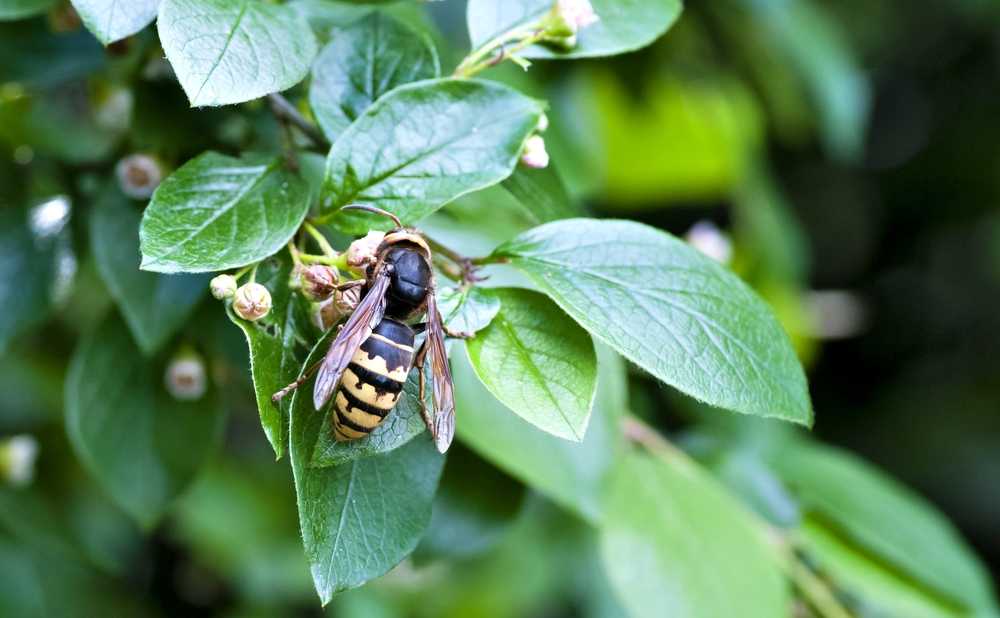
Bald-faced hornets, scientifically known as Dolichovespula maculata, are more closely related to yellowjacket relatives and other wasps. They are commonly referred to as white-faced hornets due to their distinctive black bodies and predominantly white, patterned face, featuring two slanted lines running from their midsection. The queen bald-faced hornets are larger than their adult worker counterparts, adding to their intimidating presence.
These stinging insects are primarily found in the southeastern United States and are diurnal, meaning they are active during the day. They build large aerial nests from wood fibers mixed with saliva, creating a paper-like material. These nests can grow up to 2 feet in height and 18 inches in diameter.
The construction of their nests is quite fascinating. They usually build their nests high above the ground, often in trees, shrubs, on sturdy patio furniture, or even the underside of carports and buildings. The nests have a layered, paper-like structure with a single entrance hole. This open cone structure helps protect the colony from predators and environmental elements. Spotting these nests is a clear sign that you might be dealing with a bald-faced hornet problem.
Recognizing these characteristics helps in identifying and managing bald-faced hornets. Their distinct appearance and nesting habits differentiate them from other stinging insects, making it easier to address potential threats.
Aggressive Nature of Bald-Faced Hornets
One of the most prominent features of bald-faced hornets is their aggressive nature. These hornets are highly protective of their nests and will attack anyone or anything that comes too close. Their aggression levels are significantly higher compared to those of other stinging insects, making them a notable threat in human habitats.
When they feel extremely threatened, bald-faced hornets employ a unique defense mechanism. They can spray venom with remarkable accuracy, aiming for the eyes of their intruders. This venomous spray can cause intense pain and temporary blindness, adding to the danger these hornets pose.
Another alarming trait of bald-faced hornets is their ability to sting multiple times. Unlike bees, which lose their stinger and die after a single sting, bald-faced hornets have smooth bodies and smooth stingers that allow them to sting repeatedly without any loss. This capability increases the risk of multiple painful stings if their nest is disturbed.
Removing a bald-faced hornet nest can trigger their aggressive behavior, resulting in swarm attacks and multiple stings from stinging hornets. Exercising caution and avoiding their nests is essential to prevent such incidents. Pets and children are especially at risk, as they might unknowingly get too close to these insects.
Painful Stings and Allergic Reactions
The sting of a bald-faced hornet is notoriously painful, often described as excruciating and lasting for about 24 hours. The immediate effects of a sting include intense pain, swelling, and redness around the sting site. However, the danger doesn’t stop there. Some individuals may experience severe allergic reactions to the venom.
Allergic reactions to bald-faced hornet stings can range from mild to life-threatening. Symptoms of severe allergic reaction include difficulty breathing, swelling of the face or throat, and a rapid pulse. In extreme cases, individuals might experience dizziness, severe cramping, and vomiting, which require immediate medical attention.
It’s important to note that people allergic to bald-faced hornet stings are at the same risk of allergic reactions from stings by other stinging hornets, such as yellow jackets and paper wasps. This cross-reactivity can increase the risk for individuals who are already sensitized to stinging insects.
Applying ice to the sting site can reduce swelling and numb the pain. Over-the-counter pain relievers such as acetaminophen or ibuprofen can also offer relief. If severe allergic reactions occur, immediate medical attention is necessary.
Signs of a Bald-Faced Hornet Infestation
Identifying the signs of a bald-faced hornet infestation helps address the pest problem early. The presence of several hornets flying around your property, especially during late summer and daytime, is a primary indicator.
The presence of bald-faced hornet nests signals an infestation. These large, white, paper-like nests, often found at least 3 feet off the ground in trees, shrubs, or on buildings, are easy to identify.
Disturbances such as noise or vibrations can agitate hornets, increasing their activity and aggression. A significant number of hornets and their nests on your property strongly indicate a bald-faced hornet infestation.
Why You Should Avoid DIY Nest Removal
Removing a bald-faced hornet nest yourself can be extremely dangerous. Due to their aggressive nature, disturbing the nest can provoke the colony, leading to multiple painful stings. Their ability to sting multiple times without losing their stinger makes them a significant threat during any DIY removal attempt.
Removing the nest can agitate the hornets, leading to mass attacks and risking the safety of everyone nearby, including pets and children. Their heightened aggression during nest removal can cause severe injuries and allergic reactions.
For safety, seek help from a professional pest control service for safe removal. Experts have the right equipment and training to handle hornet nests, minimizing sting risks and ensuring complete and safe removal.
Prevention Tips to Avoid Bald-Faced Hornets
Several proactive measures can prevent bald-faced hornets from invading your property. Keeping food covered during outdoor activities is a simple method, as hornets are attracted to uncovered food.
Securing outdoor trash cans with tight lids effectively keeps bald-faced hornets away. Poorly maintained trash receptacles can attract them, so ensure your bins are properly sealed and maintained.
Avoid wearing strong fragrances when spending time outdoors, as hornets are attracted to scents. Additionally, wear shoes to protect your feet from rogue hornets.
Reducing the number of flowering plants in your yard can lessen bald-faced hornets’ attraction, as they are drawn to flower nectar.
Professional Pest Control Solutions
Professional pest control services provide significant benefits for handling bald-faced hornet infestations. Experts with the right equipment and training ensure safe nest removal, minimizing sting risks and allergic reactions.
Hiring professionals can be more cost-effective than DIY attempts, which may lead to injuries or incomplete nest removal and additional expenses. Professionals are equipped to manage allergic reactions and have emergency protocols in place.
Legal regulations regarding hornet nest removal may exist, and professionals are more likely to comply, ensuring the process is handled correctly and safely.
Bald-faced hornets are highly aggressive stinging insects that pose significant risks to human health and habitats. Their painful stings and potential for severe allergic reactions make them a threat that should not be taken lightly. Recognizing the signs of an infestation and understanding the dangers of DIY nest removal are crucial steps in managing these hornets.
Preventative measures, such as securing food and trash cans, avoiding wearing strong fragrances, and minimizing flowering plants, can help reduce the attraction of bald-faced hornets to your property. However, the most effective solution is to seek professional pest control services.
Don’t let the nastiest pests like bald-faced hornets disrupt your peace of mind.
Frequently Asked Questions
How can I identify a bald-faced hornet nest?
To identify a bald-faced hornet nest, look for large, white, paper-like structures situated at least 3 feet off the ground, usually in trees, shrubs, or attached to buildings. Their distinctive appearance makes them relatively easy to spot.
What should I do if I get stung by a bald-faced hornet?
If you get stung by a bald-faced hornet, apply ice to the area to minimize swelling and take over-the-counter pain relievers. Seek immediate medical help if you experience severe allergic reactions like difficulty breathing or face swelling.
Are bald-faced hornets more aggressive than other stinging insects?
Yes, bald-faced hornets are more aggressive than many other stinging insects, readily attacking perceived threats to their nests with venomous stings.
Why should I avoid DIY nest removal?
Avoiding DIY nest removal is essential, as it can provoke hornets and result in painful stings. It’s safer to rely on professional pest control services for effective and safe removal.
How can I prevent bald-faced hornets from nesting on my property?
To prevent bald-faced hornets from nesting on your property, keep food covered, secure outdoor trash cans with tight lids, avoid wearing strong fragrances, and minimize flowering plants. Additionally, consider engaging ongoing pest control services for extra protection.