Top Arizona Scorpion Species: Identification & Safety Tips
Arizona hosts a diverse range of scorpion species. This article will introduce you to the notable scorpions found in the state and provide essential safety tips to help you identify and avoid them.
- Arizona is home to over 30 scorpion species, with notable ones including the Bark Scorpion and Giant Hairy Scorpion, each possessing unique characteristics worth understanding for safety.
- Scorpions are nocturnal predators that play a vital role in the desert ecosystem by regulating insect populations, with various species exhibiting distinct hunting and hiding behaviors.
- Preventive measures like sealing entry points and maintaining a tidy environment are essential in minimizing scorpion encounters, alongside professional pest control services for those in high-risk areas.
Arizona’s Diverse Scorpion Species
Arizona is a hotspot for scorpion diversity, boasting over 30 different species that have adapted to the harsh desert environment. These species showcase a variety of adaptations that allow them to thrive in one of the most challenging habitats on Earth. From their nocturnal behaviors to their efficient hunting techniques, scorpions are truly remarkable creatures.
Among the notable scorpion species in Arizona are:
- Bark Scorpion, known for its potent venom
- Arizona Hairy Scorpion, which stands out due to its size
- Stripe-Tailed Scorpion, with its unique characteristics
Understanding these differences is not only fascinating but also crucial for minimizing encounters and ensuring your safety.
Recognizing the specific traits and behaviors of these scorpions can make all the difference when exploring the desert habitats or even when dealing with potential home invasions. Whether you’re a resident or a visitor, being informed about these arachnids can help you appreciate their role in the desert ecosystem while staying safe.
Common Scorpions in Arizona
Arizona is home to several common scorpion species, each with its unique features. The Arizona Bark Scorpion and the Giant Hairy Scorpion are among the most frequently encountered species. These scorpions, along with others like the Stripe-Tailed Scorpion, have adapted well to the desert’s dry climates.
Understanding their characteristics can help you identify and avoid these arachnids effectively. For advice on identifying the differences between cockroaches and beetles, you can consult additional resources.
Arizona Bark Scorpion
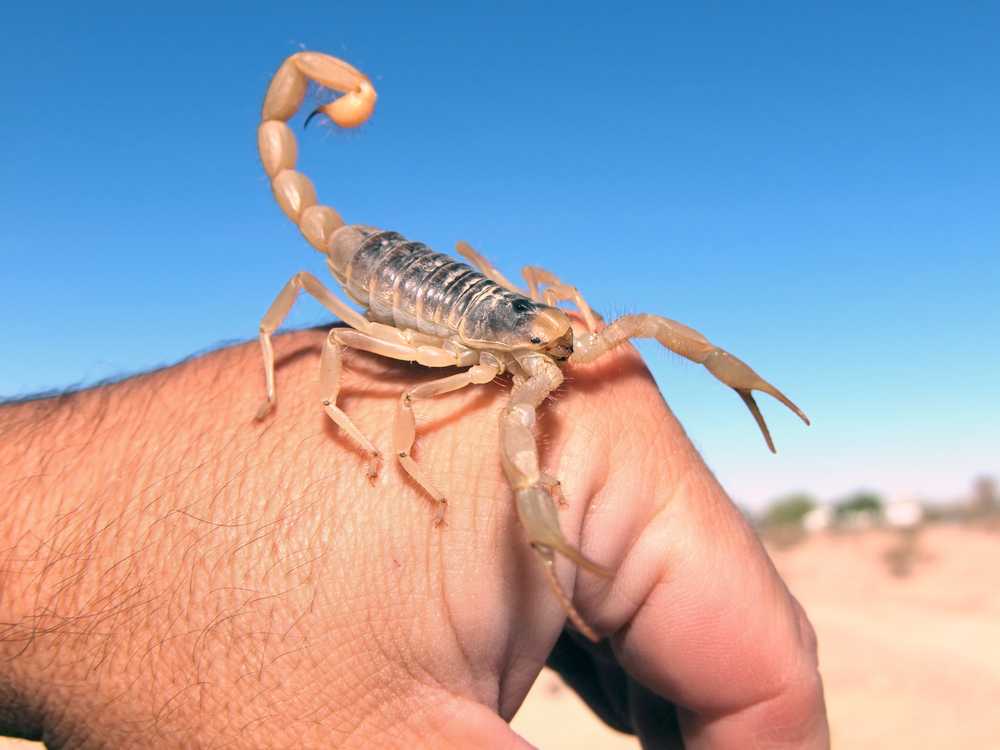
The Arizona Bark Scorpion is a small yet formidable predator. Measuring only two to three inches in length, it has a slender body, small pincers, and a thin tail. Its yellow body, devoid of stripes but with a distinctive bump below the stinger, makes it relatively easy to identify. These Arizona bark scorpions prefer vertical surfaces and are often found in moist areas, such as under tree bark, in palm trees, and the crevices of rocky cliffs. Bark scorpions are known for their adaptability in various environments.
What makes the Arizona Bark Scorpion particularly notable is its venom. It is more potent than that of other scorpions in Arizona, making it a species to be cautious around. Inside homes, they can be found on walls, ceilings, and in dark, moist spaces like closets, attracted by the moisture and shelter.
When threatened, they can deliver multiple stings, so always exercise caution if you encounter one.
Giant Hairy Scorpion
The Giant Hairy Scorpion is a true giant among North American scorpions, reaching up to seven inches in length. It is the largest scorpion in the United States, easily recognizable by its dark dorsal areas and yellow appendages. Covered in reddish-brown hairs, this scorpion is adapted to sandy areas with sparse vegetation. Giant hairy scorpions are fascinating creatures that evoke both fear and curiosity.
Despite its intimidating size, the sting of a Giant Hairy Scorpion is relatively mild, causing only slight pain in humans. However, its size and appearance can be quite alarming.
These scorpions are mostly solitary and prefer to hunt at night, preying on other scorpions, spiders, and centipedes. Their nocturnal nature makes them less likely to be encountered during the day, but they can still be found in areas with sandy soil, including habitats of burrowing scorpions and young scorpions.
Stripe-Tailed Scorpion
Recognizable by its thick, sturdy tail with dark ridge patterns, the Stripe-Tailed Scorpion is another common species found in Arizona. This medium-sized scorpion, approximately two inches long, typically inhabits dry, arid environments that suit its survival. Its distinctive tail makes it relatively easy to identify, even for those unfamiliar with scorpions.
The Stripe-Tailed Scorpion thrives in the desert’s harsh conditions and is often found in similar habitats to other scorpions. Its behavior and interactions with the environment are typical of many scorpion species, making it an integral part of the desert ecosystem. Understanding its characteristics can help in identifying and appreciating this unique arachnid.
Habitats and Behaviors of Arizona Scorpions
Scorpions in Arizona are nocturnal creatures, coming to life when the sun sets. They seek shelter from the heat during the day, hiding under rocks, in cool, dark spaces, and even inside buildings during the hotter months. Their preference for moist environments often leads them to hide in crevices of rocky cliffs and other damp areas. This behavior is particularly notable in the Arizona Bark Scorpion, which can be found under tree bark and in palm trees.
At night, scorpions engage in various activities such as hunting and mating. Their hunting technique is highly effective, often ambushing their prey when it is most active. They play a vital role in the ecosystem as both predators and prey, influencing the populations of insects and small animals. This balance is crucial for maintaining the health of the desert ecosystem.
Scorpions also exhibit unique behaviors such as cannibalism, especially when food is scarce. Their opportunistic feeding habits mean they consume a wide range of prey, including insects, spiders, and other small invertebrates. Observing their nocturnal activities can be fascinating, especially under ultraviolet light, which makes scorpions glow in the dark.
Identifying a Scorpion Sting
Identifying a scorpion sting can be crucial for receiving the proper treatment.
Severe pain, swelling, and numbness can result from a sting by an Arizona Bark Scorpion. Other symptoms may include:
- frothing at the mouth
- difficulty breathing
- respiratory paralysis
- muscle twitching
- convulsions
Most scorpion stings, however, result in localized pain and swelling without severe complications. Recognizing the severity of the symptoms can help determine the necessary course of action.
Severe symptoms such as slurred speech, muscle twitching, and irregular heartbeat require immediate medical help. Children, the elderly, and those with health complications are at higher risk for severe symptoms and complications from scorpion stings.
If a child is stung, immediate medical treatment is essential. Prompt attention can help prevent complications. Understanding these symptoms can help you react quickly and appropriately in case of a scorpion sting.
Treating Scorpion Stings
Treating a scorpion sting effectively can alleviate discomfort and prevent complications. If stung, it’s essential to seek medical attention, especially if it’s your first sting. Applying ice, taking antihistamines, and using hydrocortisone creams can ease discomfort. Most scorpion stings do not require medical care and can be managed at home with these simple treatments.
However, severe allergic reactions or symptoms like difficulty breathing necessitate immediate medical assistance. Cleaning the sting site with soap and water is also important to prevent infection.
In cases of serious symptoms from a bark scorpion sting, the administration of antivenom is crucial. Typically, post-sting symptoms resolve within 48 hours for most individuals.
Preventing Scorpion Encounters
Preventing scorpion encounters involves maintaining a scorpion-free environment both indoors and outdoors. Keeping your yard well-trimmed and clearing debris can reduce outdoor habitats that attract scorpions. Professional exterminators emphasize the importance of removing potential hiding spots around homes to deter scorpions. Indoors, minimizing clutter, especially in dark and moist areas, can help prevent scorpions from finding shelter.
Using bed bug interceptors under bed legs can trap scorpions attempting to climb up or prevent bed bugs from infesting the mattress. Regularly inspecting bedding and clothes can also help identify scorpions before use. Sealing cracks and crevices around windows, doors, and the foundation can effectively block scorpions from entering your home. These preventive measures can significantly reduce the risk of scorpion encounters.
If you’re in a high-risk area, consider monthly maintenance plans from professional pest control services. These services can provide regular inspections and treatments to keep your home safe from scorpions and other pests.
Professional Scorpion Control Services
Professional scorpion control services are essential for ensuring safety in homes located in scorpion-prone areas.
Arizona is home to a diverse range of scorpion species, each with unique characteristics and behaviors. Understanding these scorpions, their habitats, and their diets can help you stay safe and appreciate their role in the desert ecosystem. Recognizing the symptoms of a scorpion sting and knowing how to treat it can make a significant difference in managing potential encounters.
Preventing scorpion encounters through proper home maintenance and professional services is crucial for ensuring safety. Stay informed, stay cautious, and enjoy the beauty of Arizona’s desert wildlife with confidence.
Frequently Asked Questions
What are the common symptoms of an Arizona Bark Scorpion sting?
The common symptoms of an Arizona Bark Scorpion sting include severe pain, swelling, numbness, and potential respiratory issues. Immediate medical attention is advised if these symptoms occur.
How can I prevent scorpions from entering my home?
To prevent scorpions from entering your home, maintain a well-trimmed yard, clear away debris, reduce indoor clutter, seal any cracks or crevices, and consider utilizing professional pest control services.
What should I do if I get stung by a scorpion?
If you get stung by a scorpion, seek medical attention, especially for your first sting. In the meantime, apply ice, take antihistamines, and clean the sting site with soap and water.
Are scorpions dangerous to pets?
Scorpions can pose a danger to pets, particularly small ones. It is crucial to seek veterinary care immediately if your pet is stung.
What services does Las Vegas Pest Control provide for scorpion management?
Las Vegas Pest Control provides specialized, humane, and eco-friendly treatments for effective scorpion management, ensuring your home remains safe from these pests.