Do Ants Carry Diseases? Health Risks and Prevention Tips
Do ants carry diseases? Yes, ants can spread harmful bacteria and other pathogens after traveling through unsanitary areas. This article explains the health risks ants may pose, the types of organisms they can carry, and what homeowners can do to reduce infestations and protect their homes
What to Know
- Good sanitation, moisture control, and sealing entry points can help reduce the risk of ant infestations.
- Ants can carry harmful pathogens such as E. coli, Salmonella, and other microorganisms that may contaminate food and surfaces.
- Some ants, especially fire ants, can also cause painful stings, allergic reactions, and other direct health concerns.
Ants and Disease Transmission
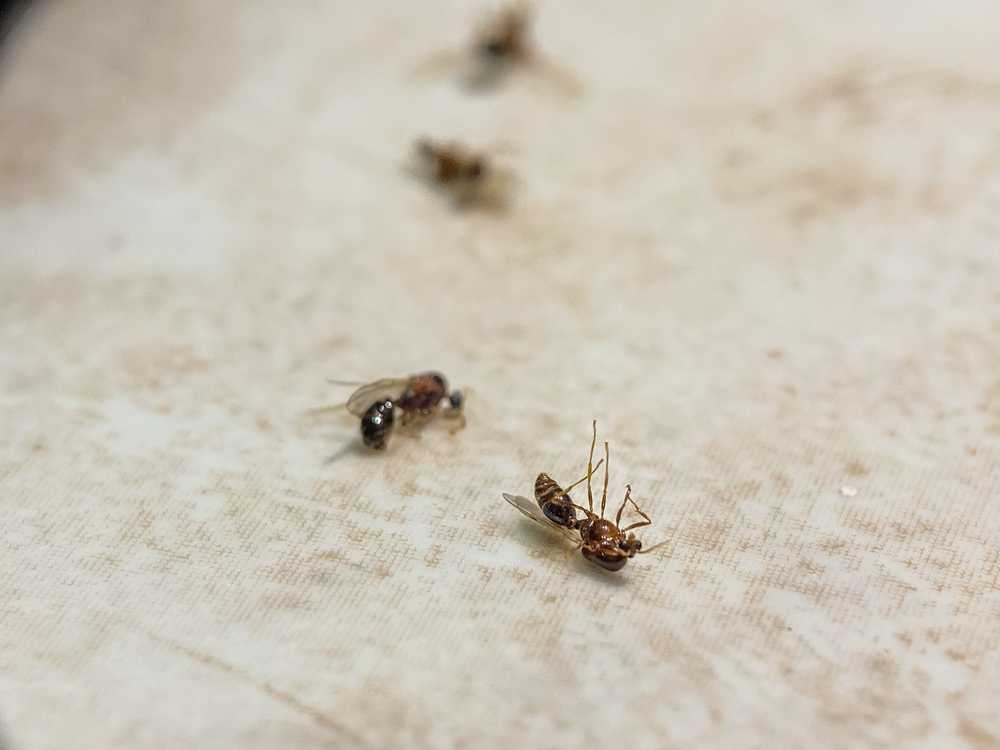
Ants may seem harmless, but they can carry disease-causing organisms after moving through garbage, decaying organic matter, drains, and other unsanitary places. When they later enter kitchens, pantries, or food preparation areas, they can transfer those organisms to food, countertops, and utensils.
This risk is especially important in homes with young children, older adults, or people with weakened immune systems. While ants are not usually thought of as major disease carriers compared with rodents or cockroaches, they can still contribute to contamination when infestations are left unaddressed.
Common Foodborne Pathogens Carried by Ants
Ants can carry a number of foodborne pathogens, including:
- E. coli
- Salmonella
- Shigella
- Listeria monocytogenes
These organisms can cause gastrointestinal illness, including diarrhea, vomiting, cramping, and other digestive symptoms. Ants spread them by traveling from contaminated areas to places where food is stored or prepared.
Because ants often move in large numbers, even a small infestation can increase the chance of contamination. Keeping kitchens and food storage areas clean is one of the best ways to lower that risk.
Health Risks from Ant Bites and Stings
In addition to contamination risks, some ants can also harm people directly through bites and stings. Fire ants are especially known for causing painful stings that can produce burning, swelling, and raised welts. In some people, these stings may trigger severe allergic reactions.
Pharaoh ants and other small household ants are less dangerous in terms of biting, but they may still cause irritation and create unsanitary indoor conditions. Carpenter ants can also bite, and although they are not known for spreading disease through venom, their presence may still become a problem when infestations grow.
Seek medical attention right away if someone develops serious symptoms after an ant sting, such as:
- trouble breathing
- swelling of the face or throat
- dizziness
- widespread hives
- signs of anaphylaxis
Respiratory Issues Linked to Ant Infestations
Ant infestations may also affect indoor air quality. Ant droppings, shed body parts, and nesting debris can contribute to irritation in sensitive individuals, especially in homes where infestations are heavy or long-lasting.
For people with asthma, allergies, or other respiratory conditions, these indoor pest-related particles may worsen symptoms. While this risk is usually less direct than food contamination or stings, it is still a reason to address infestations quickly.
Preventing Ant Infestations
Preventing ants starts with making your home less attractive to them. The most effective steps include:
- storing food in sealed containers
- cleaning up crumbs and spills quickly
- keeping pet food and water areas clean
- fixing leaks and reducing moisture
- sealing cracks and entry points around doors, windows, and foundations
- trimming plants and branches away from the home
- keeping trash containers closed and clean
These measures help remove the food, water, and shelter ants need to survive. Regular inspection and maintenance can also help you catch small problems before they become larger infestations.
Professional Pest Control Solutions
When ant activity becomes difficult to manage, professional pest control may be the most effective option. A trained technician can identify the ant species, locate nesting sites, and recommend a treatment plan that is more targeted than most DIY methods.
Professional treatment can be especially helpful for recurring infestations, hidden nests, or species that are harder to eliminate completely. It can also reduce the chance of repeated contamination and ongoing health concerns.
Keeping Ants Out of Your Home
Ants may seem minor at first, but they can contaminate food, spread bacteria, and create health concerns through bites, stings, and indoor allergens. Understanding how ants behave and what attracts them can make it easier to stop infestations before they become more serious.
By combining sanitation, moisture control, exclusion, and timely treatment, homeowners can reduce ant activity and create a healthier indoor environment. When infestations become severe or keep returning, professional pest control may be the most effective next step.
Frequently Asked Questions
Can ants really carry diseases?
Ants can indeed carry disease pathogens and bacteria, often picking them up from unsanitary environments, which can lead to food and surface contamination. It’s important to maintain cleanliness to minimize risks associated with ant exposure.
What are some common pathogens that ants can carry?
Ants can carry pathogens such as E. coli, Salmonella, Shigella, and Listeria monocytogenes, which may lead to serious gastrointestinal diseases. It’s important to maintain cleanliness to minimize these risks.
What should I do if I get bitten or stung by an ant?
If bitten or stung by an ant, thoroughly clean the area, apply an antiseptic, and watch for any allergic reactions. Seek medical assistance immediately if you experience severe symptoms.
How can I prevent ant infestations in my home?
To effectively prevent ant infestations, maintain a clean home, store food in pest-proof containers, seal potential entry points, and consider using natural repellents such as white vinegar and herbs. Following these steps will significantly reduce the likelihood of ants invading your space.
Why should I consider professional pest control services for ant infestations?
Considering professional pest control services for ant infestations ensures effective treatment and long-term prevention, giving you peace of mind and a pest-free environment.