The Presence of Disease Transmission Through Ants: A Comprehensive Overview
Do ants carry disease? Yes, they can. Ants serve as carriers of dangerous bacterial and fungal organisms that pose risks to human health. This article explores how ants transmit disease organisms, the associated health risks, and effective prevention strategies to protect your home from ant infestations.
Ants Carrying Disease
- Ants transport bacterial and fungal organisms that increase health risks, especially for children, elderly adults, and immunocompromised individuals.
- Cross contamination ants cause the spread of foodborne diseases such as Salmonella and E. coli by moving between contaminated sites and food preparation areas.
- Preventing ant infestations requires maintaining cleanliness, sealing food storage areas, closing entry points, and sometimes enlisting professional pest control services for persistent issues.
How Ants Transmit Disease and Carry Pathogens
Despite their harmless appearance, ants can transmit serious disease pathogens by carrying disease-causing microorganisms on their bodies. These insects act as vectors, transferring pathogens such as Salmonella, Staphylococcus, and Clostridium between contaminated environments and human dwellings. This transmission can lead to both mild gastrointestinal infections and severe systemic diseases.
Ant infestations pose significant health threats to vulnerable populations, including children, the elderly, and people with weakened immune systems. Maintaining good hygiene and addressing ant infestations promptly can reduce these risks.
Different ant species contribute variably to disease transmission. Pharaoh ants, for example, are known to spread bacterial and fungal organisms in both homes and medical treatment facilities, including burn treatment units. Understanding the behaviors of these medically important insects is essential for developing effective control strategies.
Cross-Contamination
Cross contamination ants occur when ants travel between decaying organic matter or infectious human materials and food surfaces, transporting harmful pathogens. This process contaminates food utensils, food storage areas, and food preparation areas, increasing the risk of foodborne illnesses.
Pharaoh ants are particularly notorious for their persistence and ability to contaminate food supplies. Their presence in food facilities and human dwellings raises serious concerns about disease transmission.
Vulnerable groups such as children, elderly individuals, and immunocompromised persons face heightened risks from ant-borne contamination. Maintaining a clean environment and promptly managing ant infestations are critical to minimizing these dangers.
Foodborne Illnesses and Disease Organisms Linked to Ants
Ants can carry foodborne disease organisms, including E. coli, Salmonella, and Shigella, which cause severe foodborne illnesses. These illnesses range from mild stomach upset to serious dehydration requiring hospitalization.
The transmission occurs as ants gain access to contaminated environments before moving to food surfaces, utensils, and storage areas. This contamination can lead to outbreaks of foodborne diseases in homes and food facilities.
People with weakened immune systems are especially susceptible to serious symptoms from these pathogens. Proper food hygiene and rapid ant infestation control are vital to preventing disease outbreaks.
Allergic Reactions, Ant Venom, and Respiratory Issues
Fire ant stings can cause severe allergic reactions, including life-threatening anaphylaxis in sensitive individuals. Immediate medical intervention is necessary in such cases.
Ant colonies can also exacerbate respiratory problems, particularly in people with asthma and allergies. Exposure to ant allergens may trigger short-term asthma attacks and worsen existing respiratory conditions.
Ant Bites, Ant Venom, and Stings: Health Risks
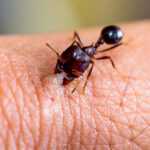
Ant bites and stings cause painful symptoms such as swelling, itching, and, in severe cases, anaphylaxis. Fire ants and harvester ants deliver venomous stings that can result in prolonged discomfort and swelling.
Untreated bites increase the risk of secondary skin infections, especially in individuals with compromised immune systems. Recognizing symptoms early and seeking medical care helps reduce health risks.
Common Ant Species in Homes
- Carpenter ants damage homes by excavating wood to build nests.
- Pavement ants typically nest beneath sidewalks and driveways.
- Odorous house ants emit a distinctive smell when disturbed.
- Pharaoh ants produce allergens and contaminate food in homes.
- Fire ants and pharaoh ants deliver painful bites and stings, posing health threats.
Understanding the behaviors and risks associated with these species supports effective prevention and control.
Preventing Ant Infestations and Reducing Disease Transmission
To prevent ants from entering your home:
- Maintain cleanliness by wiping counters and sweeping floors daily.
- Store dry goods in sealed containers.
- Clean garbage cans regularly.
- Seal cracks and gaps to block entry points.
- Reduce moisture by fixing leaks and using dehumidifiers.
These measures create an environment less attractive to ants.
Professional Pest Control Services
Professional pest control experts offer specialized knowledge and tools to detect and eliminate ant colonies effectively. Customized treatment plans address specific infestations and prevent future occurrences.
Professional services provide safer, longer-lasting solutions compared to DIY methods and often include guarantees for ongoing support.
How to Protect Your Home
Ant infestations pose serious health hazards by transmitting disease organisms, causing food poisoning, and triggering allergic reactions. Awareness of these risks and implementing preventive measures helps maintain a safe, hygienic environment.
Routine cleaning, sealing entry points, and moisture control are essential to prevent infestations. Learn more about how to prevent bed bug infestations to keep your home safe. Professional pest control services offer effective, long-term solutions to protect your home and health.
Frequently Asked Questions
Do ants have the capability to transmit diseases?
Yes, ants can carry bacterial and fungal organisms that pose potential health risks. Maintaining cleanliness is key to reducing disease transmission.
What measures should I take to stop ants from entering my house?
Regular cleaning, sealing entry points, and managing humidity levels help keep ants out.
What should I do if an ant bite causes allergic reactions?
Seek immediate medical attention if you experience severe symptoms.
Are professional pest control services worth it?
Yes, professionals provide customized, long-term solutions for effective ant management.
Which ant species are most common in homes?
Carpenter ants, pavement ants, and pharaoh ants are the primary species invading homes, each requiring specific control strategies.