Top Household Spider Habits and How to Identify Them
Curious about the household spider you spotted? This article covers how to identify common household spiders, understand which ones are harmful, and manage them effectively.
- Common household spiders include species like the American house spider, cellar spider, wolf spider, yellow sac spider, and funnel web spider, each with unique characteristics and habitats.
- While most spiders are harmless, identifying dangerous species such as the black widow and brown recluse is crucial for safety, as their bites can cause significant harm.
- Implementing preventative measures, such as sealing entry points, using sticky traps, and maintaining cleanliness, can effectively manage spider populations in homes.
Common Household Spiders
Common household spiders include a variety of species, including the hobo spider, jumping spiders, grass spiders, and other hunting spiders, each with unique characteristics. These spiders often enter homes seeking warmth and food, making themselves comfortable by building webs in dark corners, basements, and crawl spaces.
The most common house spiders you might encounter are:
- American house spider
- Cellar spider
- Wolf spider
- Yellow sac spider
- Funnel web spider
Understanding these spiders’ habits, body shape, and appearances can help you identify them and decide on the best course of action. With lifespans averaging more than a year, these spiders are a constant, albeit unnoticed, presence in our homes. Their presence is often marked by cobwebs, especially in corners and other hidden spots.
American House Spider
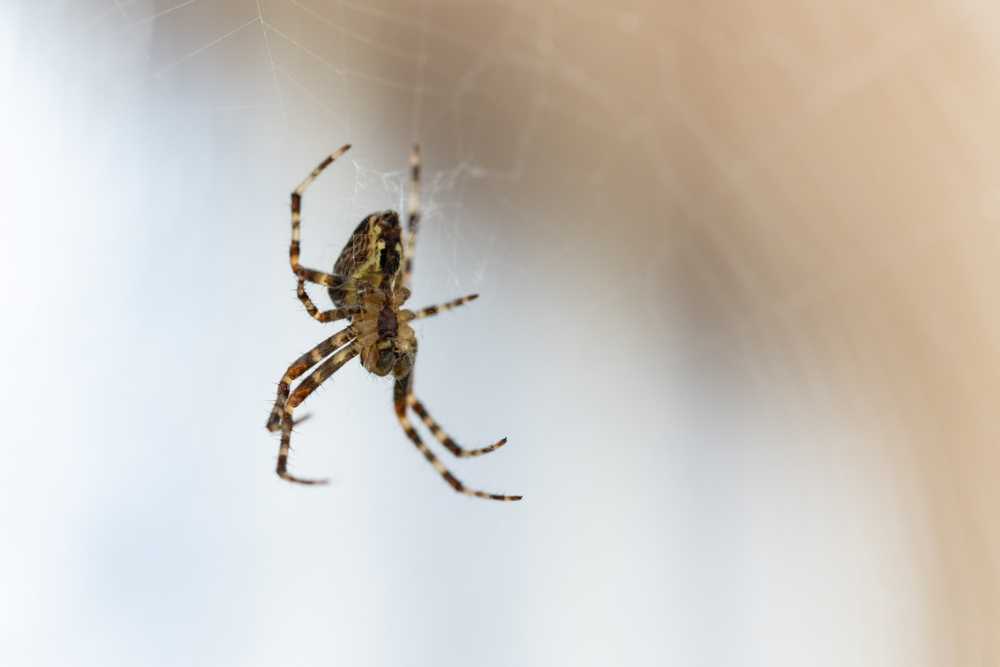
The American house spider (Achaearanea tepidariorum) is one of the most common house spiders. Typically dull brown with dark chevron markings and sometimes white markings, these comb footed spiders can grow to about the size of a nickel. Female American house spiders can reach sizes between 18 to 38 mm, while males have distinct yellow legs compared to the female’s orange legs. These spiders are often found in webs attached to garage doors, basements, and behind open doors, preferring dark, concealed areas like corners and underneath cabinets. The common house spider is commonly seen in these environments.
American house spiders are generally harmless and only bite when threatened, with bites that do not pierce human skin or cause harm. They often remain still when approached, making them easy to identify and manage. Dirty cobwebs in the corners of walls are a telltale sign of their activity.
Cellar Spider
Cellar spiders, also known as daddy long-legs, are easily identified by their grayish-yellow color and long legs. These spiders thrive in dark, moist environments and are commonly found in cellars, basements, and commercial buildings. Despite common misconceptions, cellar spiders are harmless to humans and do not possess venom glands potent enough to pierce human skin.
Cellar spiders create sheet-like or irregularly-shaped spider webs, often in less frequented areas of your home. Cobweb spiders can help control other pest insects, making them beneficial, albeit often misunderstood, house guests.
Wolf Spider
Wolf spiders are known for their large, hairy bodies and diverse color patterns, ranging from black to brown and gray. These spiders can vary in size, with some growing over two inches, including their leg span. Notably, wolf spiders have three rows of eyes and eight legs, and are active hunters that do not construct webs.
Wolf spiders are nocturnal hunters that actively seek out prey both day and night. Despite their intimidating appearance, they prefer to hide rather than bite, and their bites, though potentially painful, are not dangerous to humans. They are commonly found throughout North America, especially north of Mexico.
Yellow Sac Spider
Yellow sac spiders can vary in color from yellow to brown to green and are typically about 1/4 to 3/8 of an inch in size, including their legs. They are known for their tubular webs, often found around door and window frames or where walls and ceilings meet. These spiders are nocturnal, resting in silk sacs during the day and hunting for prey at night.
The bite of a yellow sac spider can cause sharp pain, localized redness, and swelling due to the cytotoxins in their venom. However, these symptoms usually subside within two hours. Identifying their habits and characteristic webs helps manage their presence in your home.
Funnel Web Spider
Funnel web spiders, including grass spiders and hobo spiders, are often found around the foundation of homes, in wood piles, and in grassy or bushy areas. They build dense mats of silk with a funnel-shaped retreat known as the mother’s web. These spiders are fast runners and active hunting spiders, capturing prey without using traditional orb webs.
Funnel web spiders are generally harmless to humans but can be mistaken for more dangerous species. Their presence is often indicated by sheet-like webs in dark corners and near vegetation.
Identifying Dangerous House Spiders
While most household spiders are harmless, a few species can pose a threat due to their venom. It’s essential to identify these potentially dangerous spiders to ensure your safety. Most spiders are not aggressive and will only bite when provoked. However, knowing the signs of a dangerous spider can help you take appropriate action.
Spider bites are generally harmless, but species like the black widow and brown recluse can inject venom strong enough to cause significant harm.
Black Widow Spider
Black widow spiders are easily identified by the distinctive reddish-orange hourglass marking on the underside of their abdomen. These spiders range in size from 1/4 to 1/3 of an inch long and can be brown or black in color. Recognizing the symptoms of a black widow spider bite is crucial, as they can sometimes be severe and require medical attention.
Spider bite symptoms often resemble those of other insect bites, such as a bee sting, making it difficult to confirm unless witnessed. If you suspect a black widow bite, seeking medical attention immediately is essential for proper treatment and care.
Brown Recluse Spider
Brown recluse spiders belong to the Sicariidae family and are typically brown in color. A unique feature of brown recluse spiders is the dark violin-shaped marking on their cephalothorax, making them relatively easy to identify. These spiders have six eyes arranged in three pairs, unlike most spiders that have eight.
Brown recluse spiders are nocturnal hunters that tend to wander at night to ambush prey. They are reclusive and rarely bite unless provoked. However, a bite from a brown recluse spider may develop into a wound with a pale center that darkens and forms an ulcer over time. Recognizing these features can help you avoid potentially harmful encounters. Brown recluse bites require prompt medical attention.
Recognizing Spider Bites
Spider bites can lead to various symptoms. Common ones include itching, rash, pain, aching, perspiration, elevated blood pressure, and nausea. Visible signs include swelling, redness, and sometimes the appearance of blisters. These symptoms can often be confused with other types of bites or skin conditions, such as infections or insect bites.
Spider venom contains cytotoxins that can cause pain and delayed healing. Recognizing these symptoms helps determine whether a spider bite has occurred and allows for appropriate action.
First Aid for Spider Bites
Applying a cool compress to the bite site alleviates pain and swelling, and using an antibiotic ointment helps prevent infection. These first aid steps ensure a spider bite heals properly without complications.
Understanding these first aid measures can help you feel more prepared and less anxious if you or someone else is bitten by a spider.
Managing Household Spiders
Managing household spiders involves a combination of preventive measures and safe removal methods. Utilizing local Integrated Pest Management (IPM) specialists or a pest management professional can help control house spider populations effectively. Keeping a clean home and sealing entry points are crucial strategies to limit spider presence.
Best practices for preventing and removing spiders help maintain a spider-free home while preserving their ecological benefits.
Prevention Tips
Effective pest management includes strategies like sealing entry points and maintaining a clean home. Sealing gaps and cracks around windows, doors, and foundations blocks spider entry. Regular cleaning and decluttering remove food sources and hiding spots, limiting spider attraction.
Vacuuming regularly helps eliminate spiders, webs, and egg sacs from various areas in the home. Using sticky traps in dark corners can help catch spiders as they are attracted to bugs caught in the traps. Removing excess moisture near foundations can deter spiders by reducing insect populations. Using sodium vapor lights instead of white lights outdoors can reduce insect attraction and thus spider presence.
Professional Pest Control
Knowing when to engage a professional pest management professional is crucial for maintaining a comfortable living environment. For any pest issue, engaging in professional service can provide effective solutions suited to individual pest problems. You can also learn more about how to keep homes pest-free by following practical tips and preventative measures.
Frequently Asked Questions
Are most common house spiders harmful?
Most common house spiders are harmless to humans and will only bite when provoked. Therefore, there’s no need to fear their presence in your home.
How can I identify a black widow spider?
You can identify a black widow spider by its glossy black or brown body and the distinctive reddish-orange hourglass marking on the underside of its abdomen. This clear feature is a key indicator of the species.
What should I do if I suspect a brown recluse spider bite?
If you suspect a brown recluse spider bite, it is essential to seek medical attention immediately, particularly if you notice symptoms such as a darkening center or ulceration. Prompt treatment can help prevent further complications.
How can I prevent spiders from entering my home?
To effectively prevent spiders from entering your home, seal gaps and cracks around windows, doors, and foundations while maintaining cleanliness and using sticky traps in dark corners. This proactive approach will minimize spider intrusions.
What are the benefits of having spiders around?
Having spiders around is beneficial as they control pest insect populations, which reduces reliance on chemical pesticides and supports ecological balance. Their role as both predators and prey helps maintain the health of the ecosystem.