Best Tips on How to Remove Hornets Safely
Wondering how to remove hornets safely? This comprehensive guide covers identifying hornet nests, effective DIY removal methods, safety precautions, and when to seek professional help to get rid of these aggressive stinging insects.
Identifying Hornet Nests
Identifying a hornet’s nest is the first critical step in safely removing these stinging insects from your property. Hornets are more active during the day, making it easier to locate their nests by observing their activity and the structure of their homes. Knowing where and what to look for can help you effectively rid your property of hornets.
Hornets typically build their nests in trees, roof awnings, and other outdoor structures. These hornet nests are often mistaken for those of honey bees or yellow jackets, but they have distinct features that set them apart. Learning to identify these nests helps you remove them safely and avoid potential danger to yourself and your loved ones.
Common Locations of Hornet Nests
Hornets often choose sheltered locations such as trees, rafters, roof eaves, and shrubs to build their nests. These areas provide protection and stability for the colony. Regularly inspecting these spots can help you detect nests early before they grow larger and more hazardous.
Specific species, like bald-faced hornets, build paper-like nests on tree branches, utility poles, or attached to houses. Maintaining your property by trimming tree branches and shrubs reduces potential nesting sites, making your home less attractive to hornet colonies and yellowjackets.
Characteristics of Hornet Nests
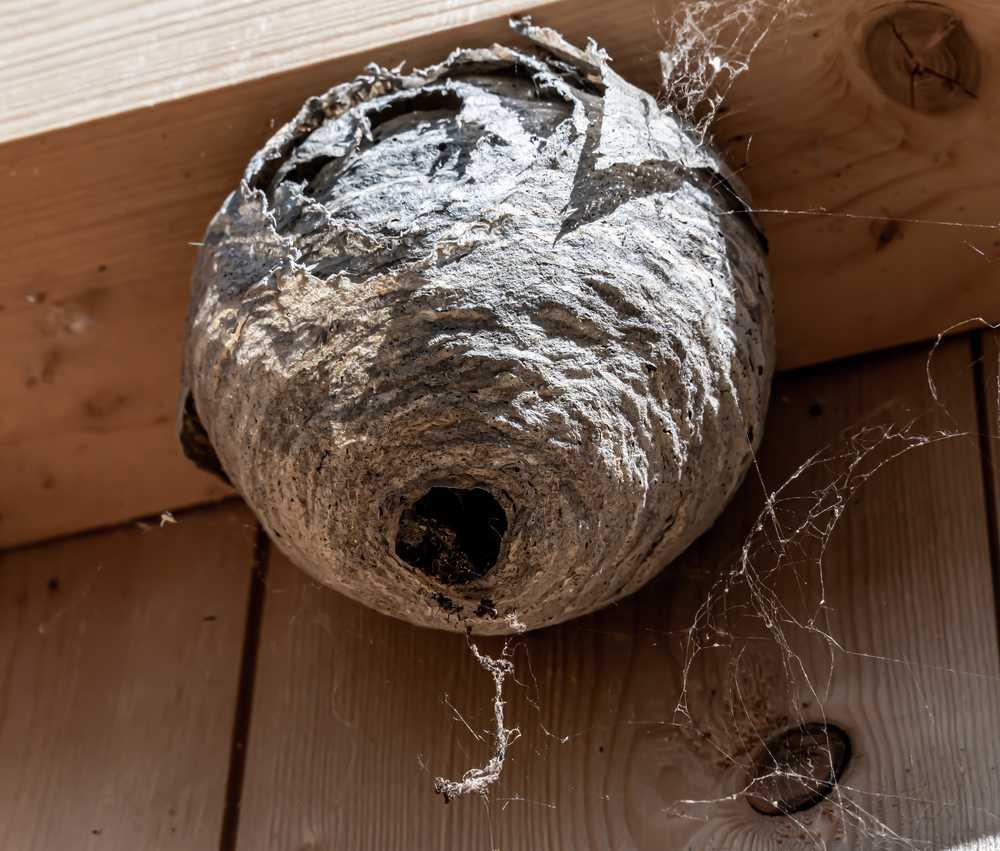
Hornet nests are made from chewed wood fibers mixed with saliva, forming paper-like nests. These nests consist of hexagonal combs surrounded by a protective outer layer, providing a secure hive for hornet colonies to develop. Their appearance varies but often resembles a gray or brown paper ball.
Recognizing the paper-like quality of these nests is crucial for proper identification. They are typically well-concealed, so careful examination of potential nesting sites is necessary. Understanding these characteristics helps ensure you are dealing with hornets and not other stinging insects.
Safety Precautions Before Removal
Taking safety precautions before attempting nest removal is vital. The process requires careful planning, the right tools, and strict adherence to safety guidelines. Consider the nest’s location, size, and hornet species to ensure safe and successful removal.
Maintain a safe distance of at least 6-10 feet from the nest to avoid provoking aggressive hornets. Sealing all home openings can prevent hornets from entering during removal.
Severe infestations or nests in hard-to-reach places should be handled by professional pest control services for safe and effective nest removal. For a list of service areas, see where assistance is available. For additional tips on how to prevent pest infestations, see this guide.
Protective Clothing
Wearing protective clothing is essential to protect yourself from stings. Recommended gear includes thick clothing, gloves, goggles, and a mask. Ensure sleeves and pant legs have elastic closures to prevent hornets from entering and stinging exposed skin.
Long sleeves and full protective gear reduce the risk of stings during nest removal, especially when hornets may swarm in defense.
Timing Your Approach
Timing is critical when removing hornet nests. Late evening or dusk, when hornets are less active and more likely to be inside the nest, is the safest time to act.
Using a red-filtered flashlight allows you to see without disturbing hornets, as they are less agitated by red light compared to white light. Choosing the right time and tools helps minimize aggressive behavior and increases safety.
DIY Hornet Nest Removal Methods
DIY removal can be effective if done with extreme caution and proper planning. The best times for DIY removal are late summer or early fall when hornet populations decline. Hornets are less active during cooler early morning or late evening hours, making these periods ideal for nest removal.
Using Insecticide Spray
Insecticide spray is a widely used DIY method for hornet nest removal. Use a long-distance spray nozzle to apply insecticide directly into the nest entrance, ensuring thorough coverage of the colony.
Wear full protective gear, including a beekeeper veil with mesh netting to protect your face. The insecticide kills hornets on contact and has residual effects to eliminate returning insects.
After spraying, wait at least 24 hours before approaching the nest to confirm all hornets are eliminated. This patience is crucial to avoid stings from any surviving insects.
Removing the Nest
Once the insecticide has taken effect and no hornet activity is observed, safely remove the nest. Use a plastic bag to carefully enclose the nest, double-bagging it for secure disposal.
Seal the bags tightly and dispose of them in an outdoor trash bin. Clean the area with soap and water to remove insecticide residue, reducing risks of exposure and preventing other pests.
Professional Hornet Nest Removal
Professional pest control services are often the safest and most effective option for hornet nest removal. Companies have the expertise and equipment to handle infestations safely and thoroughly, minimizing risks to people and property.
Large or Inaccessible Nests
Large nests or those in hard-to-reach locations require professional intervention. Bald-faced hornets often build nests high in trees or under eaves, sometimes larger than a basketball, posing significant risks.
Professionals use specialized equipment and techniques to safely remove these nests, reducing the chance of aggressive swarming and stings.
Allergies and Safety Concerns
Individuals allergic to insect stings should always seek professional help for nest removal due to the risk of severe allergic reactions. DIY removal in such cases is extremely dangerous.
If you are unsure about allergies or feel uncomfortable handling nests, contacting a professional exterminator is the safest choice to avoid medical emergencies.
Preventing Future Hornet Infestations
Preventing hornet and yellowjacket infestations is key to maintaining a safe environment. Eliminating food sources and altering your property’s environment can deter hornets from nesting nearby.
Sealing entry points, reducing accessible food, and using decoy nests are effective strategies to keep hornets away and protect your home.
Sealing Entry Points
Inspect your property for cracks and holes, sealing them with materials like wood filler or spray foam insulation. Weatherstripping doors and windows helps close gaps hornets might use to enter and build nests inside walls or attics.
Regular maintenance and inspections reduce the chance of hornets establishing colonies indoors.
Reducing Food Sources
Hornets and yellowjackets are attracted to sweet foods and protein sources, especially in late summer. Keep food and beverages sealed, clean up pet food, and tightly secure garbage cans to minimize attractants.
Removing these food sources limits hornets’ motivation to swarm near your home.
Using Decoy Nests
Hanging decoy or faux wasp nests can discourage hornets from nesting nearby, as they are territorial and avoid areas they think are already claimed.
Combining decoy nests with repellents creates an unwelcoming environment, helping to prevent future infestations.
Safely removing hornets involves identifying nests, taking safety precautions, and choosing between DIY and professional removal methods. Recognizing nest locations and characteristics helps you act quickly and effectively. Wearing protective clothing and timing your approach properly reduces risks.
DIY methods like insecticide spraying and nest removal can be effective but require extreme caution. For large nests or safety concerns, professional pest control services provide the safest and most reliable solutions. Preventing future infestations through sealing, food management, and decoy nests helps maintain a hornet-free environment.
By following these tips with extreme caution and the right knowledge, you can safely rid your property of hornets and protect your home from aggressive stinging insects.
Frequently Asked Questions
What are common locations for hornet nests?
Hornet nests are commonly found in trees, roof eaves, rafters, and shrubs. Being aware of these locations helps in early detection and safe removal.
What protective clothing should I wear when removing a hornet nest?
Wear thick clothing, gloves, goggles, and a mask with elastic closures on sleeves and pant legs to prevent hornets from stinging exposed skin.
When is the best time to remove a hornet nest?
Late evening or dusk is best, as hornets are less active and more likely to be inside the nest, reducing the chance of aggressive swarming.
Should I attempt to remove a large hornet nest myself?
No, large nests should be handled by professionals to avoid aggressive hornet swarms and potential stings.
How can I prevent future hornet infestations?
Seal entry points, eliminate food sources, and use decoy nests to discourage hornets and yellowjackets from nesting near your home.