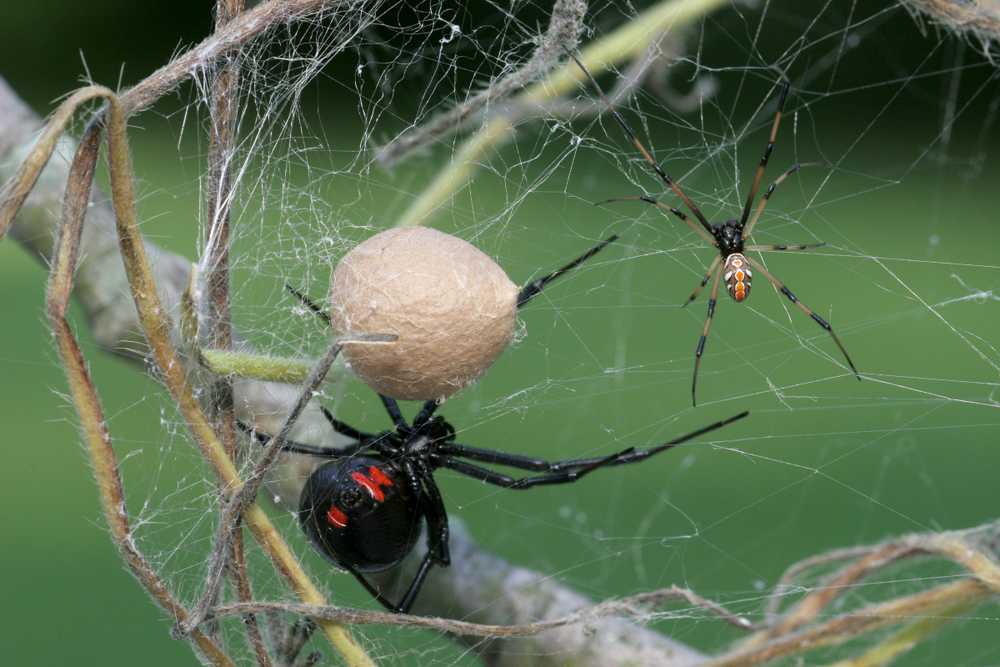
Identifying Male Black Widow Spider Markings: Key Traits and Differences
Male black widow spider markings feature red, orange, or yellow spots. Unlike females, males do not have a red hourglass marking. This article explains how to identify these markings and distinguish male black widows from other spiders.
- Male black widow spiders are smaller and have a more slender body compared to females, aiding in their identification.
- The coloration of male black widows is muted with small red, yellow, and white markings, differing significantly from the females’ distinctive red hourglass pattern.
- Male black widows exhibit unique mating behaviors and have a shorter lifespan, with significant risks involved during reproduction.
Male Black Widow Spider Size and Shape
Male black widows are notably smaller than females, with a body length typically ranging from 0.5 to 1 inch. This size difference is a key clue in distinguishing the sexes. Females are more robust and intimidating, whereas males are delicate and less conspicuous.
Male black widows have a slender and elongated body, unlike the bulbous abdomen of females. This streamlined shape allows for swift movement and easier navigation. Their legs are also proportionally longer, enhancing their mobility.
Male black widows are often found in areas where they can find dark and secluded environments. Common locations include woodpiles, garages, and basements. These spots provide the perfect hiding places and hunting grounds for these elusive spiders. Their preference for such environments also makes them less likely to be encountered by humans compared to the more aggressive and visible female black widow spiders.
Recognizing these size and shape differences helps in correctly identifying male black widows. Observing these traits allows for better distinction and appreciation of their physical characteristics.
Coloration and Patterns
The coloration of male black widows is a key identification factor. Unlike the jet-black females, males often display muted light brown or shiny black tones, helping them blend into their surroundings and avoid predators. This subdued coloration can make them less noticeable, but there are other distinctive features to observe.
A telling sign of a male black widow is the presence of red, orange, and yellow spots and stripes. Although less prominent than the iconic red hourglass on females, these markings are crucial for identification. The combination of these colors can vary between individuals, adding to the challenge of distinguishing males from similar-looking spiders.
Male black widows may also have small red or yellow markings on their backs. These spots, though less defined and smaller than the female’s hourglass, are characteristic of males. Observing these subtle details aids in correctly identifying the spider, especially when dealing with immature black widows or other similar species.
The muted yet distinct coloration and patterns of male black widows are significant for identification. Paying attention to these details helps differentiate them from female black widows and other common spiders in their habitat.
Red Markings and Hourglass Shape
The red hourglass marking on female black widows is highly recognizable. In contrast, males lack this prominent shape and instead display smaller red, yellow, and white spots on their backs. These spots are less pronounced and do not form the distinctive hourglass pattern seen in females.
These contrasting markings become particularly visible during mating season. The small red or yellow spots on male black widows play a critical role in mating rituals, signaling their presence to females and reducing the risk of being mistaken for prey.
The absence of a red hourglass does not mean male black widows are any less intriguing. Their unique markings, while smaller and less conspicuous, are essential for their survival and reproduction. These spots can vary in size and intensity, adding another layer of complexity to the identification process.
Recognizing these red, yellow, and white spots helps distinguish male black widows from females and other spiders. Focusing on these subtle but significant markings provides a deeper understanding of these fascinating creatures.
Behavioral Differences Between Males and Females
Behaviorally, male and female black widows are quite different. Males use pheromones to locate females for reproduction, a crucial chemical communication that aids them in navigating potential dangers during the mating process.
Male black widows engage in a delicate courtship dance, vibrating the female’s web to signal their presence and readiness to mate. This unique behavior reduces the risk of being mistaken for prey and increases mating success. The males’ elongated pedipalps, resembling small boxing gloves, are crucial in this process.
Males exhibit cautious behavior around females, especially when they need food, steering clear to reduce the risk of being consumed. This survival strategy highlights the complexities and inherent risks of their mating rituals.
Observing these behavioral differences provides insights into the dynamics between male and female black widows. It offers a deeper understanding of the intricate world of widow spiders and their unique mating strategies.
Lifespan and Role in Reproduction
Male black widows have a significantly shorter lifespan than females, generally living for about 3 to 5 months. This shorter lifespan is closely tied to their primary reproductive role.
The primary purpose of male black widows is to mate with females to ensure the continuation of their species. However, this process is fraught with danger. After mating, males often die, commonly consumed by the female, highlighting the risks they face in their quest to pass on their genes.
The mating process is perilous for male black widows, who risk being eaten by the female both during and after mating. This high-risk, high-reward strategy underscores the importance of their reproductive role and the lengths they go to ensure species survival.
Understanding the lifespan and reproductive role of male black widows offers a deeper appreciation of their existence and sacrifices. This knowledge is crucial for anyone interested in the life cycle and behaviors of these fascinating spiders.
Common Misidentifications: False Black Widows
False black widows are often mistaken for male black widows due to their similar appearance. These spiders are chocolate brown and have a body length of about 3/8 inch (10 mm). While they may resemble male black widows at first glance, key differences set them apart.
False black widows are commonly found in homes, particularly in washrooms, cupboards, and under appliances. This preference for indoor environments contrasts with the typical habitats of male black widows, which favor dark, secluded areas like wood piles and garages.
A distinguishing feature of false black widows is the absence of the distinctive red markings found on male black widows. While they may have some markings, they are generally less prominent and lack the specific red or yellow spots characteristic of male black widows.
Recognizing these differences is crucial for correctly identifying these spiders and avoiding unnecessary panic. Understanding the key traits of false black widows helps differentiate them from true black widows and ensures appropriate measures are taken.
Habitat Preferences of Male Black Widows
Male black widows prefer habitats that align closely with their reproductive needs. They are typically found near female webs, as this proximity aids in mating. These areas are often dark and secluded, providing the ideal environment for both hunting and reproduction.
Common locations for male black widows include wood piles, garages, and basements. These spots offer the darkness and seclusion that males prefer. Staying close to female webs increases their chances of successful mating and species continuation.
The preference for dark, secluded areas is not unique to male black widows; many spiders seek similar environments to avoid predators and find suitable hunting grounds. However, male black widows’ specific habitat choice is closely tied to their reproductive strategies and the need to be near females.
Understanding these habitat preferences helps identify male black widows and appreciate their ecological niche. Recognizing their likely locations allows for appropriate measures to manage their presence.
Ensuring Safety Around Male Black Widows
Male black widows are less dangerous than females, but their bites can still require medical attention. Due to lower venom potency, bites are less severe, but any bite should be treated seriously, with immediate medical help sought, even if severe symptoms seem mild.
Male black widows are less aggressive and less likely to bite compared to females. However, caution is advised when dealing with any black widow spider. Washing the bite area with soap and water and applying an ice pack can help reduce swelling and alleviate pain.
To prevent bites, take measures to avoid contact with black widows. Sealing cracks and using a vacuum cleaner to remove spiders and webs can be effective. Regularly checking and cleaning areas where black widows are likely to hide, such as wood piles and garages, can reduce the risk of encounters.
Understanding the key traits and differences of male black widow spiders is crucial for proper identification and safety. From their smaller size and slender shape to their muted coloration and unique markings, male black widows exhibit a variety of characteristics that set them apart from their female counterparts. By recognizing these differences and taking appropriate precautions, you can safely coexist with these fascinating creatures. If you encounter black widows, don’t hesitate to contact an expert for help and comprehensive solutions.
Frequently Asked Questions
How can I identify a male black widow spider?
To identify a male black widow spider, look for a smaller size, typically measuring 0.5-1 inch in body length, along with a slender shape and muted coloration featuring small red or yellow spots. This distinct appearance will help differentiate them from females.
Are male black widows dangerous?
Male black widows can pose a danger, as they can deliver a bite that may require medical attention, despite being less venomous than females. It is crucial to take any bite seriously and seek immediate medical assistance.
Where are male black widows commonly found?
Male black widows are commonly found in dark, secluded areas like wood piles, garages, and basements, often close to female webs to enhance their mating opportunities.
How can I differentiate a false black widow from a male black widow?
A clear differentiation between a false black widow and a male black widow is that false black widows are chocolate brown and do not have the characteristic red or yellow markings present on male black widows. Additionally, false black widows are more frequently found indoors.
What should I do if bitten by a black widow spider?
If bitten by a black widow spider, wash the area with soap and water, apply an ice pack, and seek immediate medical attention, regardless of the severity of symptoms. Prompt treatment is crucial to ensure your safety.