Mothballs: Safety Tips and Best Practices
Mothballs repel and kill fabric-damaging insects by releasing toxic fumes. Mothballs are regulated household pesticides intended for indoor use to control fabric pests, and improper use can pose serious health and legal risks. These household pest control products specifically target moths and other insects, but their fumes also pose health risks to humans, pets, and wildlife. Learn how to use mothballs safely, understand their active ingredients, health risks, environmental impact, and relevant regulatory guidelines.
- Mothballs contain toxic chemicals like naphthalene and paradichlorobenzene, which can cause serious health effects if inhaled or ingested.
- Properly storing mothballs in airtight containers prevents harmful vapors from contaminating living spaces and minimizes health risks.
- Safer alternatives, such as cedar products and professional pest control services, can effectively protect fabrics without the health and environmental hazards of mothballs.
What Are Mothballs?
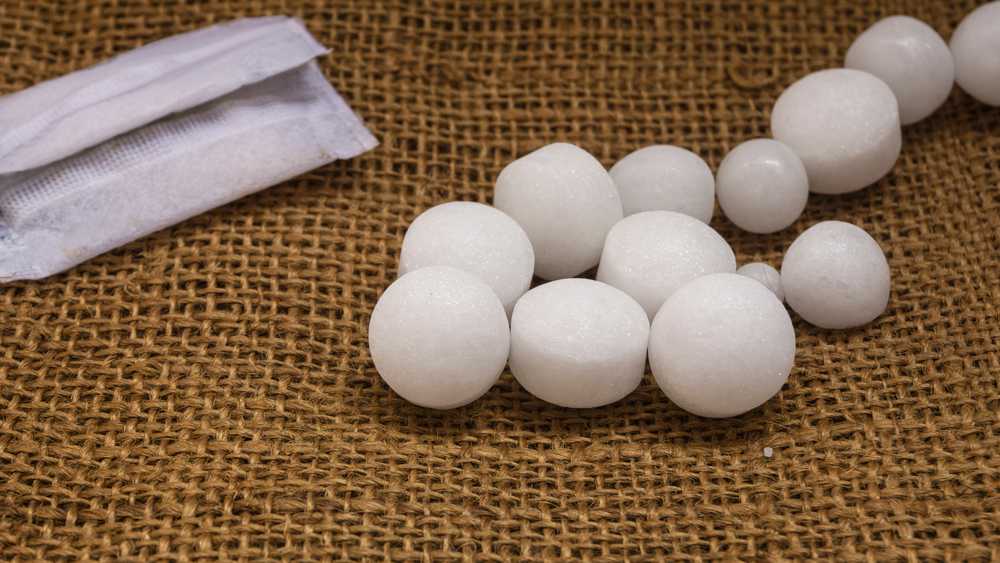
Mothballs are small, pungent balls designed to protect clothing and other fabrics from damage by clothes moths and other insects. Mothballs slowly turn from solids to toxic vapor through sublimation, releasing insecticidal gases that repel and kill pests. This gradual chemical transformation increases the risk of inhalation exposure and potential health hazards. Besides mothballs, moth flakes are another registered pesticide formulation used for pest control.
Because of their toxic vapor release, mothballs pose risks to humans, pets, and wildlife if not handled correctly. Even one mothball can cause serious harm if ingested or improperly handled. Children and pets often mistake these spheres for candy or food, leading to accidental poisoning. If someone swallows or chews a mothball, contact the poison control center immediately for emergency advice.
Mothballs are typically used in sealed, airtight containers to maximize effectiveness and minimize toxic fumes. Improper use, such as placing them in open areas or using them outdoors as wildlife repellents, leads to widespread dispersal of harmful vapors and is illegal. When you smell mothballs, you are inhaling the insecticide, which can cause headaches, nausea, and other health problems with prolonged exposure.
Active Ingredients in Mothballs
The primary active ingredients in mothballs are naphthalene and paradichlorobenzene, both present in high concentrations:
- These chemicals act as potent insecticides by releasing toxic gases.
- They effectively eliminate clothes moths and other fabric-damaging insects.
- Naphthalene and paradichlorobenzene work best in sealed environments where their fumes concentrate and act effectively against pests.
- These compounds also serve as wildlife repellents but pose significant health risks to humans and animals.
Because mothballs contain nearly 100% active ingredient, improper use can lead to harmful exposure. Always follow label instructions and safety guidelines to prevent toxic vapors from contaminating living spaces. For detailed chemical safety information, consult resources such as the EPA’s Integrated Risk Information System (IRIS), the Agency for Toxic Substances and Disease Registry (ATSDR), and the NIOSH Pocket Guide to Chemical Hazards.
Health Effects of Mothballs
Exposure to mothball chemicals can cause various health issues, primarily through inhalation or ingestion. The main risks include respiratory symptoms, gastrointestinal distress, neurological effects, and, in severe cases, organ damage.
Mothballs can cause serious harm if eaten, especially by children and pets. Keep mothballs out of reach, and if ingestion occurs, contact the poison control center or a veterinarian immediately. Even one mothball can cause poisoning or hemolytic anemia, necessitating urgent medical attention.
Inhalation of vapors can lead to headaches, nausea, dizziness, and confusion. Pets and wildlife are also vulnerable to these harmful effects, so handle mothballs with care and awareness.
Naphthalene Health Effects
Naphthalene, a primary active ingredient, poses significant health risks. Exposure can cause hemolytic anemia and other blood disorders, particularly in individuals with pre-existing conditions. The National Toxicology Program classifies naphthalene as a possible human carcinogen based on animal studies.
Symptoms of naphthalene exposure include headaches, nausea, vomiting, abdominal pain, and discolored urine, especially in children. The Environmental Protection Agency (EPA) and the Agency for Toxic Substances and Disease Registry (ATSDR) emphasize caution when using naphthalene-containing products.
Paradichlorobenzene Health Effects
Paradichlorobenzene exposure can cause respiratory issues, skin irritation, nausea, headaches, and dizziness. Long-term exposure may result in liver and kidney damage. Proper ventilation and strict adherence to usage guidelines reduce these risks.
The EPA’s Toxic Substances Control Act regulates paradichlorobenzene, and resources like the NIOSH Pocket Guide provide safety information. Awareness of these risks supports safer mothball use.
Environmental Impact of Mothballs
Mothballs contribute to environmental pollution if misused or improperly disposed of. Toxic chemicals can leach into soil and water, harming plants, animals, and ecosystems. Paradichlorobenzene can persist in the environment longer than naphthalene, affecting soil and groundwater. The EPA and the Agency for Toxic Substances and Disease Registry provide guidance on minimizing environmental contamination.
Proper disposal and handling practices protect local wildlife and maintain ecological balance. Dispose of mothballs according to the product label and your local household hazardous waste guidance. Do not dump them outside, down drains, or into trash loose where vapors can escape.
Safety Precautions When Using Mothballs
To use mothballs safely, follow these guidelines:
- Store mothballs only in airtight, sealed containers to contain toxic vapors.
- Use mothballs exclusively for their intended purpose—controlling fabric pests—and never as repellents for mice, snakes, or other wildlife.
- Keep mothballs out of reach of children and pets to prevent accidental ingestion.
- Follow all label instructions and legal requirements, as improper use can cause harm and legal penalties.
Storage and Handling
Proper storage is critical to prevent toxic vapor exposure. Always use tightly sealed containers and avoid placing mothballs in open spaces. This containment ensures effectiveness against pests while protecting household members from harmful fumes.
Protecting Children and Pets
Because mothballs contain highly toxic substances, secure storage away from children and pets is essential. Educate family members about the dangers and monitor storage areas regularly.
What to Do If a Mothball Is Eaten or Inhaled
If ingestion or inhalation occurs:
- Call the poison control center immediately for professional medical advice.
- Do not induce vomiting unless directed by a healthcare professional.
- If a pet ingests a mothball, contact your veterinarian promptly.
Quick response and expert guidance can prevent serious health outcomes. Remember, if someone has eaten a mothball, contact emergency services immediately.
Safe Alternatives
If you want to protect clothing and stored fabrics without relying on mothballs, there are safer options that still work well. Cedar products are one of the most popular non-toxic alternatives. Cedar planks, blocks, rings, and canisters release natural oils that help repel moths and other fabric pests. For best results, place cedar directly in closets, drawers, storage bins, and garment bags, and refresh or lightly sand the surface over time so the scent stays effective.
For ongoing issues or repeated moth activity, professional pest control can provide a more reliable long-term solution. A technician can identify the source of the problem, recommend targeted treatments, and help you prevent reinfestation through practical steps like sanitation, sealing entry points, and monitoring. If mothballs feel too risky for your home, these alternatives offer a safer, more environmentally responsible way to protect your fabrics.
Mothballs in Pest Control
Mothballs can be effective against fabric pests, but they work by releasing toxic fumes, which means they come with real health and environmental risks if they’re used incorrectly or stored improperly. The safest approach is to follow label directions exactly, use mothballs only in tightly sealed containers, keep them well away from children and pets, and never use them in open areas or outdoors.
If you’re looking for a lower-risk way to protect clothing and stored fabrics, consider non-toxic alternatives like cedar products or contact a professional pest control provider to address the root cause of moth activity and prevent it from returning.
Frequently Asked Questions
What should I do if someone ingests a mothball?
Immediately contact the poison control center for guidance. Do not induce vomiting unless instructed by medical personnel.
How should mothballs be stored to ensure safety?
Store mothballs in tightly sealed, airtight containers to prevent toxic vapors from escaping and contaminating your home.
What are the health effects of inhaling mothball fumes?
Inhaling fumes can cause respiratory problems, headaches, nausea, and neurological symptoms. Use mothballs in well-ventilated areas and minimize exposure.
Are there non-toxic alternatives to mothballs for pest control?
Yes, cedar products and professional pest control services provide safe and effective alternatives.
How can I protect my pets from mothball exposure?
Keep mothballs securely stored out of reach. If ingestion occurs, contact a veterinarian immediately.
By understanding the active ingredients, health risks, environmental impact, and safety precautions, you can use mothballs responsibly or choose safer alternatives to protect your home and loved ones. This pocket guide to chemical hazards aims to provide clear and actionable information, supported by research and regulatory guidance from experts like Sudakin MD MPH David L and agencies such as the EPA and the International Programme on Chemical Safety.