Salticidae Bite: Symptoms, Treatment, and Prevention Tips
A Salticidae bite, or jumping spider bite, generally leads to minor symptoms like redness and itching. Usually harmless, these bites rarely need medical treatment. In this article, learn how to identify, treat, and prevent Salticidae bites effectively.
- Salticidae bites, from common jumping spiders, are rare and typically result in mild symptoms similar to a mosquito bite, including redness, itching, and swelling.
- Immediate treatment involves cleaning the bite area and applying a cold compress to manage pain and swelling, while severe allergic reactions may require medical attention.
- Preventing bites can be achieved by sealing entry points into the home, maintaining cleanliness, trimming vegetation, controlling insect populations to reduce prey, and considering professional pest control for infestations.
What is a Salticidae Bite?
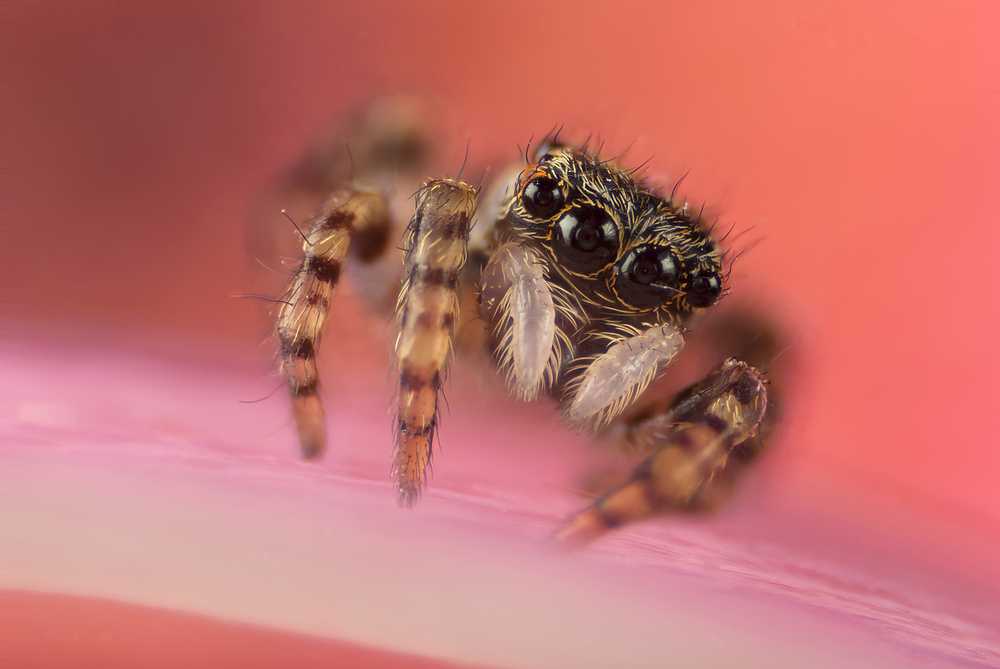
A Salticidae bite, commonly referred to as a jumping spider bite, is an infrequent occurrence. These spiders, part of the salticidae family, are known for their swift reflexes and very good eyesight, which they use to catch prey. While jumping spiders produce venom to subdue their prey, their venom is not generally dangerous to humans and is unlikely to cause serious medical reactions.
Jumping spiders live primarily outdoors but can occasionally enter homes, especially near window molding and door frames. They are more likely to bite when they feel threatened, mishandled, or accidentally crushed. Despite their ability to produce venom, jumping spiders poisonous effects on humans are minimal.
When a jumping spider bites, the reaction is usually mild and asymptomatic. Most people experience only minor discomfort similar to that of a mosquito bite, including slight redness, itching, and swelling. The rarity of such bites, combined with their typically mild nature, means that they are not a significant health concern for most individuals.
Understanding these bites and knowing how to handle them can ease concerns and keep incidents minor.
Identifying a Salticidae Bite
Recognizing a Salticidae bite requires awareness of its symptoms and comparison to other insect bites. Typically, a jumping spider bite results in pain, welting, redness, and sometimes blistering, much like a mosquito bite.
Symptoms from a jumping spider bite generally heal within a few hours to a day. This rapid healing often indicates a jumping spider bite rather than another insect bite or spider bite from more dangerous species like the black widow spider.
Common Symptoms
Jumping spider bites usually present mild, manageable symptoms. The bite site typically turns red, itches, and may sting, accompanied by localized pain and swelling. Some bites may show pale markings around the area.
In rare cases, the bite area may blister, adding to the discomfort. These symptoms are short-lived, with itching and pain subsiding quickly. Most people recover without medical intervention.
Severe Reactions
Severe reactions, though rare, can include respiratory distress, dizziness, nausea, or muscle cramps. Immediate medical attention is necessary to prevent complications.
Persistent pain, difficulty breathing, or swelling of the face and throat indicate the need for urgent medical help. Awareness of these rare reactions ensures an appropriate response.
Immediate Steps After a Salticidae Bite
Immediate action after a jumping spider bite can alleviate symptoms and prevent complications. First, wash the affected area with soap and water to prevent infection. Next, apply a cold compress for 10-15 minutes each hour to reduce swelling and alleviate pain.
These steps significantly manage the discomfort of a jumping spider bite. Using a cool compress helps control blood pressure in the affected area and reduces inflammation.
Clean the bite area thoroughly with mild soap and water to prevent infection. This removes bacteria or debris, reducing the risk of complications.
Apply a cold compress for 10-15 minutes each hour to manage pain and swelling from a jumping spider bite. This alleviates discomfort and reduces inflammation.
Repeat as needed to control symptoms.
When to Seek Medical Attention
It’s vital to know when to seek medical attention for a jumping spider bite. Signs of an allergic reaction, like wheezing, facial swelling, or hives, require immediate intervention.
Consult a healthcare provider if you notice signs of infection, such as increasing redness, swelling, pus, or discharge. Persistent pain or swelling despite home treatment also warrants professional advice.
If you experience symptoms similar to a bee sting or have difficulty breathing, seek emergency care promptly.
Preventing Salticidae Bites
To prevent jumping spider bites and avoid a jumping spider infestation, make your home less inviting by sealing cracks in walls and gaps around windows, doors, and window molding. Trimming vegetation near entry points also helps reduce indoor encounters and can help you get rid of jumping spiders.
Installing screens on windows and doors acts as a barrier, letting you enjoy fresh air without the risk of jumping spiders entering. Regularly vacuuming corners and crevices, removing webs, egg sacs, and house spiders, also controls indoor spider populations.
How to Keep Jumping Spiders Out of Your Home
A proactive approach is needed to keep jumping spiders out of your home. Seal gaps around windows, doors, and utility pipes. Installing screens on doors and windows is also effective.
Regularly vacuum corners and crevices, and promptly remove house spiders, webs, and egg sacs to control indoor spider populations. Using a vacuum bag to dispose of debris outside prevents reinfestation. Trimming vegetation near your home and using sticky traps in high-activity areas can also help.
Jumping spiders, with their eight eyes and brightly colored males, rely on their very good eyesight and swift reflexes to hunt insects and other spiders. Reducing their access to food sources by controlling insect populations around your home can further discourage their presence.
Professional Pest Control Services
For significant infestations, a professional pest control service is a reliable solution. Experts offer specialized knowledge and tools to tackle jumping spider issues effectively.
These services use advanced methods and equipment unavailable to the public, ensuring thorough, long-term management of infestations. Experts also assess the root causes and offer customized treatment plans.
Hiring professionals not only addresses the immediate issue but also provides peace of mind with long-term solutions.
While jumping spider bites are rare and typically mild, it’s essential to know how to identify and treat them effectively. Immediate steps like cleaning the bite and applying a cold compress can alleviate symptoms, while being aware of severe reactions ensures timely medical intervention. Preventive measures, including sealing entry points, reducing insect prey, and professional pest control services, can further reduce the risk of encounters with these spiders. Stay informed and prepared to handle any jumping spider bite with confidence.
Frequently Asked Questions
What are the common symptoms of a jumping spider bite?
Common symptoms of a jumping spider bite include redness, itching, a stinging sensation, localized pain, and occasionally blistering at the site of the bite. It is advisable to monitor the area for any worsening symptoms.
When should I seek medical attention for a jumping spider bite?
You should seek medical attention for a jumping spider bite if you experience signs of an allergic reaction, such as wheezing or facial swelling, or if you notice increasing redness, discharge, or persistent pain indicating an infection.
How can I prevent jumping spider bites?
To prevent jumping spider bites, ensure you seal cracks in walls, trim vegetation near entry points, control insect populations around your home, and install screens on windows and doors. These proactive measures can effectively reduce the likelihood of spider encounters.
What immediate steps should I take after a jumping spider bite?
Following a jumping spider bite, wash the affected area with soap and water, and apply a cold compress for 10-15 minutes each hour to alleviate pain and swelling.
When should I call professional pest control services for jumping spider issues?
You should call professional pest control services when you observe a significant presence of jumping spiders in your home to ensure effective management. This proactive approach will help maintain a pest-free environment.