Scorpion Size Guide: Species, Venom, and Habitat Differences
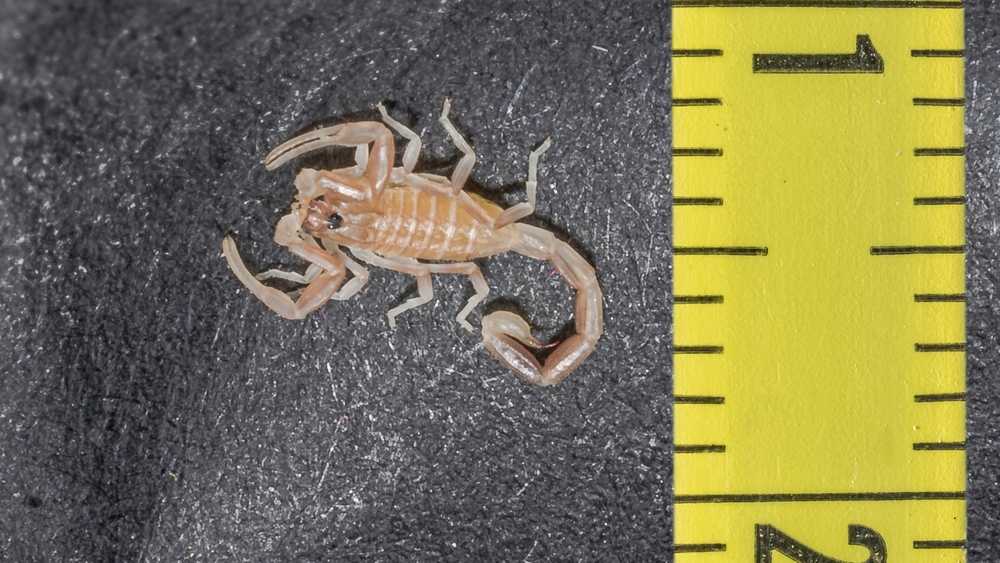
Scorpions vary widely in size, from tiny species measuring less than an inch to large forest scorpions that can reach several inches in length. This guide explains how big scorpions can get, why size varies so much between species, and how size affects their behavior, venom, and habitat.
What to Know
- Most scorpions are only a few inches long, but some species are much smaller or much larger.
- Scorpion size is influenced by species, habitat, prey availability, and evolutionary adaptations.
- Size can affect how scorpions hunt, defend themselves, reproduce, and survive in different environments.
How Big Are Scorpions on Average?
Most scorpions measure about 6 cm, or roughly 2.5 inches, in length. This average size helps many species survive in a wide range of environments, from deserts to forests. Adult scorpions are usually lightweight, though their body proportions can vary depending on species and sex.
Common species such as the Arizona bark scorpion and striped bark scorpion fall within this general size range, showing how a moderate body size can support hunting, reproduction, and survival in different habitats.
Largest Scorpions
Some of the world’s largest scorpions can reach 7 to 9 inches in length. The Emperor Scorpion and several giant forest scorpions are among the best-known examples. These larger species are often found in tropical or subtropical environments, where their size helps them overpower prey and defend themselves more with strength than with highly potent venom.
Large scorpions often stand out because of their thick bodies, strong pincers, and imposing appearance. Their size shows how different habitats and survival strategies can shape scorpion development over time.
Smallest Scorpions
At the other end of the range, some scorpions measure only about half an inch long. These much smaller species often rely on speed, stealth, and concealment rather than size. Their tiny bodies help them move through narrow spaces, avoid predators, and adapt to highly specific habitats.
Even the smallest scorpions are effective predators, showing that size alone does not determine how successful a species can be in the wild.
Why Scorpion Size Varies
Scorpion size varies widely between species, with some measuring less than an inch and others growing several inches long. These differences often reflect how each species has adapted to its environment, food supply, and survival strategy.
Some species rely more on physical strength and larger pincers, while others depend more on speed or venom potency. Size is one part of a broader pattern of adaptation that helps scorpions survive in very different habitats.
How Size Affects Survival
Hunting and Defense
Scorpion size can influence how a species hunts and defends itself. Larger scorpions often rely more on physical strength and strong pincers to overpower prey, while smaller scorpions may depend more on speed and venom. These differences affect how scorpions respond to threats and survive in the wild.
Venom Potency
Scorpion size and venom potency are often linked, but not always in the way people expect. Smaller scorpions frequently rely more on venom for hunting and defense, while larger species often depend more on physical strength and large pincers. Because of this, some smaller scorpions can have more medically significant venom than much larger species.
Size alone is not a reliable way to judge how dangerous a scorpion may be.
Habitat Adaptation
Scorpions are highly adaptable and live in a wide range of environments, from deserts and grasslands to forests and rocky terrain. Their size often reflects the conditions of the habitat they live in, including prey availability, shelter, and moisture levels.
Larger scorpions are more common in some stable environments where food is more predictable, while smaller species may do better in habitats where agility, concealment, or specialized niches improve survival.
Reproduction
Size can also influence reproduction. Larger females may be able to carry more young, while body size may affect how well a species adapts to a specific habitat. These differences help explain why size matters beyond appearance alone. Scorpions are viviparous, meaning they give birth to live young, which then cling to the mother’s back until their first molt.
Common Scorpion Size Examples by Region
Different regions are home to very different scorpion species. In North America, the Arizona bark scorpion is smaller but medically important because of its venom. In Africa, the Emperor Scorpion is better known for its large size and relatively mild venom. In Southeast Asia, giant forest scorpions are notable for their length and strength.
These examples show how scorpion size varies widely depending on the species and the environment it has adapted to.
Why Scorpion Size Matters
Scorpions show an impressive range of sizes, from tiny species that are easy to overlook to much larger species that stand out immediately. Their size influences how they hunt, defend themselves, reproduce, and adapt to different environments.
Understanding scorpion size helps put these arachnids in context and highlights just how diverse the group really is.
Frequently Asked Questions
What factors influence the size of scorpions?
Scorpion size is primarily influenced by environmental stability, evolutionary pressures, and the availability of prey. These factors play a crucial role in dictating their growth and overall dimensions.
Why do smaller scorpions have more potent venom?
Smaller scorpions have more potent venom primarily to compensate for their size, allowing them to effectively subdue larger prey. This adaptation increases their chances of survival and successful feeding.
How do scorpions reproduce?
Scorpions reproduce sexually and are viviparous, meaning they give birth to live young, which subsequently cling to their mother’s back for protection. This unique approach ensures the young are safeguarded during their vulnerable early days.
What is the significance of fossil scorpions?
Fossil scorpions are significant as they offer crucial insights into the evolutionary history of these creatures, revealing striking similarities to modern species and underscoring their enduring successful design.
How does the size of a scorpion affect its predatory behavior?
The size of a scorpion significantly influences its predatory behavior; larger scorpions tend to rely on physical strength to handle bigger prey, whereas smaller scorpions often utilize stronger venom to effectively subdue their victims. Thus, size dictates not only the choice of prey but also the strategy used in predation.