What Are Ghost Ants? Identification, Control, and Prevention
Ghost ants, also known as Tapinoma melanocephalum, are tiny ants with dark heads and nearly transparent bodies that can be difficult to spot indoors. Their small size and translucent appearance make them hard to detect. This article explains what ghost ants are, how to spot them, and how to keep them out of your home.
- Ghost ants are small, translucent ants recognized by their dark heads and distinctive coconut-like odor when crushed, making early identification crucial.
- These ants thrive in humid environments, often nesting indoors in hidden, damp areas like wall voids and near sinks, leading to potential contamination of food sources.
- Effective control of ghost ant infestations may require a combination of DIY methods for small cases and professional pest control solutions for larger outbreaks.
Understanding Ghost Ants
Ghost ants, scientifically known as Tapinoma melanocephalum, are a small but troublesome ant species. These ants are also commonly referred to as ‘black-headed ants’ due to their distinct dark-colored heads. Their unique appearance sets them apart from other ant species and makes them relatively easy to identify once you know what to look for.
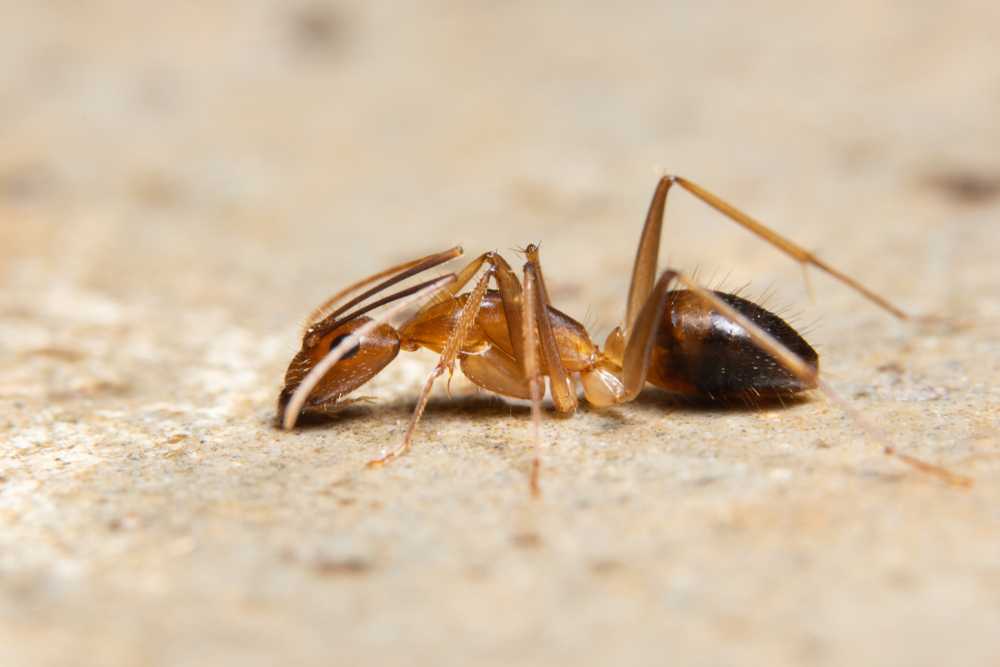
One of the most striking features of ghost ants is their nearly transparent bodies. They have a dark head and thorax, while their legs and abdomen are pale and almost translucent. This distinct coloration helps them blend into their surroundings, making them difficult to spot until they start forming visible trails.
Despite their small size, ghost ants can cause significant problems in homes and businesses. Recognizing their behaviors and characteristics is crucial for controlling and preventing infestations. Identifying ghost ants accurately ensures you address the problem effectively.
Identifying Ghost Ants
Recognizing ghost ants can be tricky due to their small size and translucent bodies. These ants measure between 1.3 to 1.5 mm, making them one of the smaller ant species you might encounter. Their pale legs and abdomen, contrasted with a dark head and thorax, are key features to look for. This contrasting coloration can help you spot them against various backgrounds.
Another unique characteristic of ghost ants is the smell they emit when crushed. If you detect a coconut-like odor, it’s a strong indicator that you have ghost ants in your home. Additionally, ghost ants often display rapid movements reminiscent of small spiders, which can help you differentiate them from other ant species.
Recognizing these identification markers helps in spotting a ghost ant infestation early. Once identified, appropriate measures can be taken to address the problem.
Habitat and Nesting Sites
Ghost ants typically nest outdoors in humid environments such as soil, leaf litter, and decaying wood. These ants thrive in tropical and subtropical regions, including central and southern Florida and the Caribbean islands. Their preference for high humidity means they are commonly found in areas with abundant moisture.
Indoors, ghost ants prefer small, hidden, humid spaces such as:
- wall voids
- areas around sinks and electrical outlets
- shower stalls
- other damp indoor areas where they can nest. They are attracted to the moisture in these spaces, which helps support indoor colonies.
Knowing where ghost ants typically nest aids in locating and addressing infestations more effectively. Their nesting habits and diet also play a significant role in understanding how to manage them.
Behavior and Diet
Ghost ants are notorious for their foraging behavior, especially around kitchens and other areas with abundant food sources. They are particularly attracted to sweet foods and greasy foods, often found in household foods like bread boxes and pantries. Their preference for sweet substances makes them frequent visitors to kitchens and food storage areas.
These ants primarily feed on honeydew, which they obtain by tending to aphids and other insects. They also consume dead insects and live insects, contributing to their diet. Ghost ants forage for sweet and fatty foods, which can lead to spoilage and food contamination in the home.
Ghost ant colonies can vary in size, typically consisting of hundreds to over a thousand individuals. Their ability to proliferate quickly, especially in humid climates like Florida, underscores the importance of professional pest control for effective eradication. Understanding their behavior and diet can help homeowners implement more effective control measures.
Signs of Infestation
Detecting a ghost ant infestation early can save you from significant headaches down the line. One of the most common signs of a ghost ant infestation is the presence of ant trails, especially near food sources or moisture-rich areas. These ants are often found trailing in kitchens, bathrooms, and other areas where food and water are readily available.
Another telltale sign of ghost ants is a distinctive scent of rotten coconuts, which becomes noticeable when these ants are disturbed or crushed. This smell can be a strong indicator of their presence in your home. Additionally, frequent sightings of small ants near food sources or humid areas can signal an infestation.
Ghost ants can carry bacteria and pathogens, leading to food contamination when they forage. Early recognition of these signs enables prompt action to address the infestation. Ghost ants pose health risks and can be a significant nuisance.
Health Risks and Nuisance
Although ghost ants are not considered highly dangerous, they can contaminate food and surfaces, potentially contributing to unsanitary indoor conditions. They are also a nuisance in homes, restaurants, and healthcare settings, where their presence can be especially frustrating. Sensitive individuals may also experience allergic reactions.
DIY Control Methods
Homeowners can take several steps to control ghost ant infestations using DIY methods. One effective approach is to use homemade baits. Sweet bait can be made by mixing one part borax with three parts powdered sugar, while protein bait can be created by combining one part borax with three parts peanut butter. These baits can help attract and kill ghost ants.
Another key step in preventing ghost ants from returning is maintaining cleanliness. Sealing entry points, eliminating standing water, and storing food in airtight containers can significantly reduce the risk of infestation.
DIY methods can be effective for small infestations but often fail to eliminate multiple queens or the core nest. For severe infestations, professional pest control is often required.
Professional Pest Control Solutions
When dealing with larger ghost ant infestations, professional pest control services are often necessary. Professionals use slow-acting ant baits that allow foraging ants to carry the poison back to the nest, effectively targeting the entire colony. Non-repellent insecticides can also help eliminate ghost ants by allowing the treatment to spread through the colony more effectively.
Professional pest control services offer comprehensive solutions that may include inspection, targeted treatment, and prevention strategies to help reduce the chance of future infestations.
Ghost ants may be small, but they can quickly become a frustrating household pest because of their hidden nests, food-seeking behavior, and ability to spread through multiple areas. Early identification, good sanitation, and targeted treatment can help control small infestations, while larger outbreaks may require professional help for complete elimination.
Frequently Asked Questions
How can I identify ghost ants?
To identify ghost ants, look for their small size (1.3 to 1.5 mm), pale legs and abdomens, along with a dark head and thorax. Notably, they also emit a distinct coconut-like odor when crushed.
Where do ghost ants typically nest?
Ghost ants typically nest outdoors in humid environments like soil and leaf litter, while indoors, they prefer concealed, damp areas such as wall voids and around sinks or showers.
What do ghost ants eat?
Ghost ants primarily eat honeydew and are attracted to sweet and greasy foods, as well as both live and dead insects. It’s important to keep food areas clean to prevent their infestation.
How can I prevent ghost ant infestations?
To effectively prevent ghost ant infestations, ensure cleanliness, seal entry points, eliminate standing water, and store food in airtight containers. Implementing these measures will significantly reduce the risk of an infestation.
When should I call a professional for ghost ant infestations?
You should call a professional for ghost ant infestations if DIY methods fail or the infestation is large, as they can provide specialized treatments to effectively eliminate them and prevent future issues.