Where Do Spiders Go in the Winter? Discover Their Cold Weather Strategies
Ever wondered where spiders go in the winter? As temperatures drop, these creatures employ several strategies to survive the cold months. From seeking shelter to producing antifreeze proteins, spiders have fascinating adaptations that keep them alive in winter conditions.
- Spiders adapt to winter by seeking shelter, producing antifreeze proteins, and using their webs for insulation.
- Many spiders enter a state of diapause during winter, slowing their metabolism to survive harsh conditions with minimal resources.
- Indoor environments provide warmth and sustenance for spiders, highlighting the importance of understanding their behavior for effective pest management.
How Spiders Adapt to Cold Weather
When the temperatures start to plummet, many spiders seek shelter and activate their incredible survival mechanisms. Unlike humans, spiders are cold-blooded creatures, meaning their body temperatures fluctuate with the environment without causing harm. This adaptability is key to their survival in freezing temperatures.
Some spider species, like jumping spiders and wolf spiders, have evolved to produce antifreeze proteins that allow them to survive at temperatures as low as -10°C. These antifreeze-like substances prevent their bodily fluids from freezing, much like how antifreeze in a car keeps the engine running smoothly during cold weather.
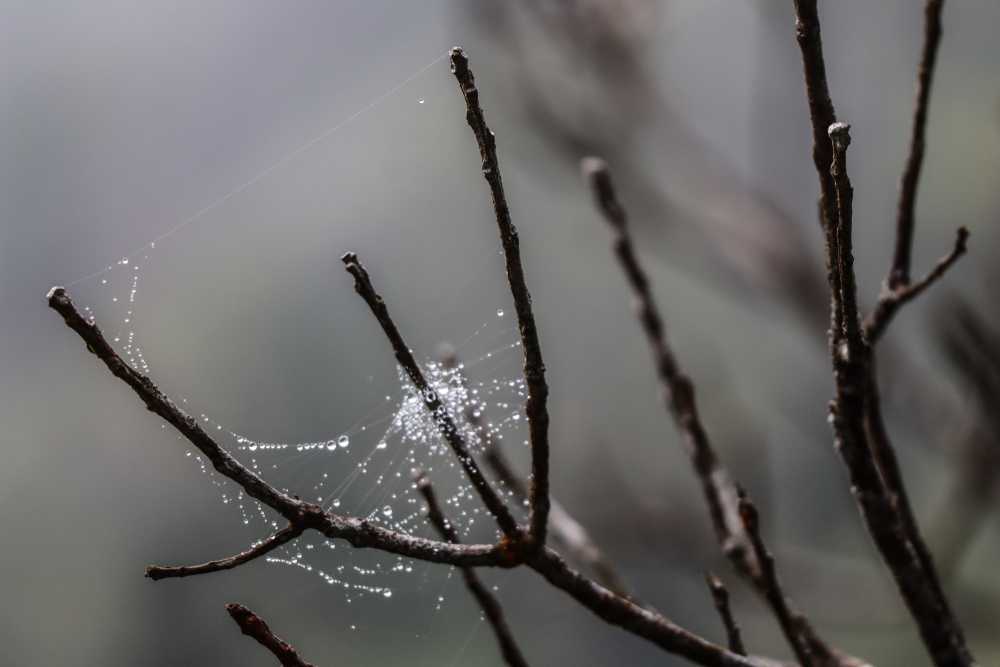
Additionally, spider webs serve as more than just traps for unsuspecting prey. For orb-weaving spiders, these intricate structures provide insulation, helping them maintain warmth in cold environments. This clever use of their natural habitat showcases the remarkable adaptability of these cold-blooded creatures.
Diapause in Spiders
Diapause is a fascinating phenomenon that allows spiders to survive the harsh winter months. It is a state of dormancy where spiders enter a slowed metabolic state, conserving energy and avoiding freezing temperatures. This suspended development helps many species endure extreme weather conditions.
During diapause, spiders can survive with minimal food and water due to their significant metabolic slowdown. This state is triggered by environmental cues such as decreased temperatures, lack of food, and changes in daylight. Not all spider species enter diapause; it depends on the species and specific environmental conditions.
Spiders that do enter diapause often produce cryoprotectants, substances that prevent their cells from freezing during harsh winter temperatures. Although activity is reduced, these spiders may reactivate and become more active with warming temperatures, resuming their typical behaviors in late summer and warmer periods.
Migration and Sheltering
Migration is another survival strategy employed by certain spider species to escape the winter cold. Species like the yellow garden spider and black and yellow argiope are known to migrate to warmer areas as temperatures drop. This movement to more favorable conditions helps them avoid freezing temperatures and maintain their metabolic activity.
Many spiders seek shelter in insulated areas such as leaf litter, rock piles, and tree bark during winter. These sheltered locations provide a haven where spiders can conserve energy and escape harsh environmental conditions. The idea of spiders seeking warmth in protected locations is a testament to their resourcefulness.
Additionally, some spiders utilize their webs for protection against the cold. By finding refuge in buildings, underneath bark, or underground, spiders increase their chances of survival during the colder months. This instinct to seek shelter highlights their resilience and adaptability to changing seasons.
Indoor Survival Strategies
As outdoor spiders face the challenges of winter, many seek shelter indoors to find warmth and safety. The reduction of natural habitats due to urban development forces spiders to seek refuge in human dwellings. This migration indoors helps them survive the winter months.
Indoor spaces provide spiders with both shelter and a consistent food supply during the colder months. Temperature fluctuations significantly impact spider behavior, prompting them to seek warmer environments. High humidity levels indoors also attract spiders, allowing them to avoid dehydration during winter.
Seeking shelter indoors allows house spiders to conserve energy and find a stable environment to survive the winter. This behavior underscores the importance of understanding spider habits to effectively manage and coexist with them during the colder months.
Active Winter Spiders
While many spiders enter a state of dormancy during winter, some species like wolf spiders and jumping spiders remain active by inhabiting warmer microenvironments. These spiders adjust their activity patterns, becoming more active during warmer daytime hours to optimize their survival.
Active winter spiders often increase their metabolic rates to generate heat and remain functional despite the cold temperatures. Additionally, some spiders utilize their webs for insulation and to trap food, aiding their survival in cold weather. These strategies enable them to remain active and hunt for prey even in the depths of winter.
The resilience of these spiders is a testament to their adaptability and ingenuity. By understanding their behavior, we can better appreciate the diverse strategies spiders employ to thrive year-round, regardless of the changing seasons.
Brown Recluse Spider Behavior
The brown recluse spider, also known as the fiddleback spider, is notorious for seeking warmth indoors during winter. These spiders are typically found in cluttered, dark areas, making them a common sight in corners of cabinets, crawlspaces, and closets. Their preference for hidden, undisturbed locations makes them particularly elusive.
Understanding the behavior and hiding spots of brown recluse spiders can help in identifying and managing their presence in your home, ensuring a safer environment during the colder months.
Importance of Understanding Spider Behavior
Understanding spider behavior is crucial for maintaining ecological balance and conservation efforts. In winter, this knowledge contributes to effective coexistence between humans and spiders, reducing the likelihood of unnecessary extermination.
By differentiating between beneficial and harmful spider species, we can enhance pest control strategies and promote a balanced ecosystem. This understanding helps in identifying which spiders pose a threat and which ones are essential for controlling other pests.
Appreciating the intricacies of spider behavior not only fosters a healthier environment but also empowers us to make informed decisions about pest management, ensuring a harmonious living space during the colder months.
Pest Control Solutions for Winter Spiders
Effective pest control is essential for managing a spider infestation during winter. By employing professional pest control services, you can effectively manage and prevent spider infestations, ensuring a safer and more comfortable home environment during the winter months.
Spiders utilize a variety of strategies to survive the winter months. From producing antifreeze-like substances and entering diapause to seeking shelter indoors and remaining active in warmer microenvironments, each spider species showcases remarkable adaptability. Understanding these behaviors allows us to coexist with spiders and manage potential infestations effectively.
As we appreciate the intricate survival mechanisms of these fascinating creatures, we can foster a balanced ecosystem and make informed decisions about pest control.
Frequently Asked Questions
How do spiders survive the winter?
Spiders survive the winter by producing antifreeze-like substances, entering a state of dormancy called diapause, or finding warm shelters indoors. So next time you spot one in your home, you know it’s just trying to ride out the cold!
What is diapause in spiders?
Diapause in spiders is a survival strategy where they go into a dormant state, slowing their metabolism to save energy and escape harsh conditions like freezing temperatures. It’s nature’s way of helping them get through tough times!
Why do spiders migrate indoors during winter?
Spiders head indoors in winter for warmth and safety, looking for a reliable food source and to stay hydrated. So, if you spot them in your home, they’re just trying to survive the cold!
Which spiders remain active during winter?
Wolf spiders and jumping spiders stay active in winter by finding warmer spots and adapting their behavior. So, if you spot these spiders, they’re simply making the best of the chilly season!
How can I manage spider infestations during winter?
To tackle spider infestations in winter, consider calling in professional pest control services for effective and safe solutions. They can help prevent and manage the issue efficiently.