Roaches Types: A Guide to Identifying Common Species
- Las Vegas hosts several common cockroach species, including German, American, Oriental, Brown Banded, and Smoky Brown cockroaches, each with specific habitats and behaviors that impact control efforts.
- Understanding the cockroach life cycle, which includes stages from egg to nymph to adult, is essential for effective pest management and controlling their rapid reproduction.
- Implementing preventive measures such as sealing entry points, fixing leaks, and maintaining proper sanitation are key strategies for reducing the risk of cockroach infestations.
Common Cockroach Species in Las Vegas
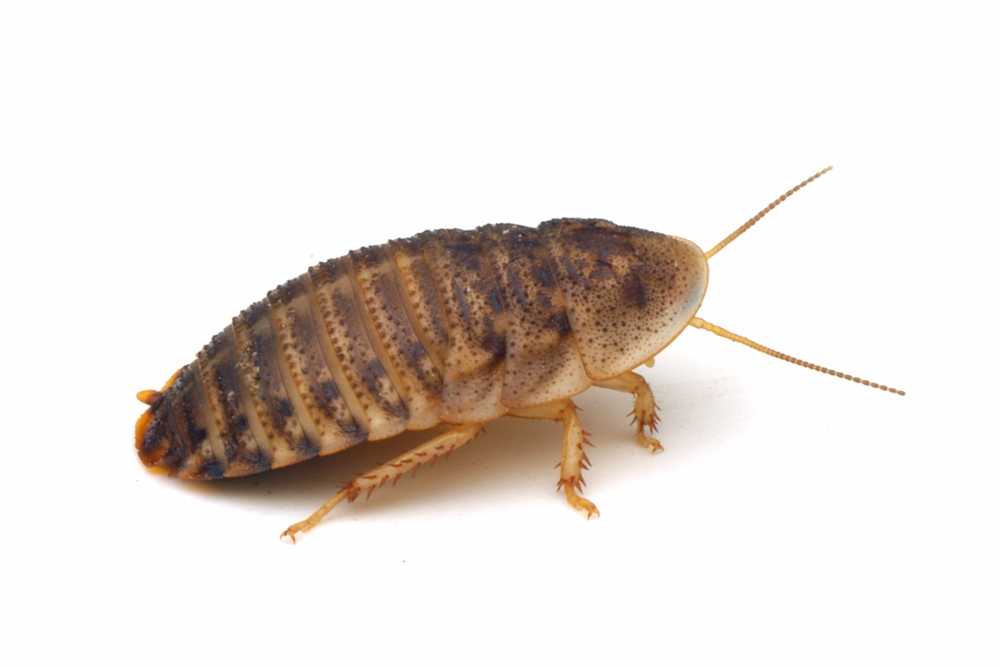
Las Vegas is home to several common pests, including species of cockroaches, each with unique characteristics and habitats. The most prevalent types of cockroaches include the German, American, Oriental, Brown Banded, and Smoky Brown cockroaches. These pests are typically identified by their oval bodies and six legs, and they thrive in environments where food and water are readily available.
Knowing the specific traits and behaviors of these common species helps in effective cockroach control. Each type has its preferred hiding spots and breeding grounds, which can vary from kitchens and bathrooms to basements and crawl spaces. Recognizing these differences allows for more accurate targeting of control efforts and can prevent infestations.
German Cockroach (Blattella germanica)
The German cockroach, scientifically known as Blattella germanica, is one of the most common and troublesome species of cockroaches german cockroach found in Las Vegas. Adult German cockroaches are relatively small, measuring about 17 mm in length, and are commonly found in kitchens and bathrooms where they hide under sinks, around appliances, and in cupboards.
These pests are notorious for their rapid reproduction rates, which can quickly lead to significant infestations if not properly managed.
American Cockroach (Periplaneta americana)
The American cockroach, or Periplaneta americana, is another prevalent species in Las Vegas. These large cockroaches can grow up to 4 cm in length and are reddish-brown in color. American cockroaches are commonly found outdoors but can also infest damp basements, boiler rooms, and commercial establishments like restaurants and grocery stores.
They frequently invade areas with high humidity due to their affinity for moisture.
Oriental Cockroach (Blatta orientalis)
Oriental cockroaches, also known as water bugs, are commonly found in moist environments such as basements and crawl spaces. These shiny black or dark brown cockroaches are about 2.5 cm in length and are wingless.
Female Oriental cockroaches prefer to deposit their egg cases in sheltered places, and their preference for damp areas makes them a common nuisance in residential areas.
Brown Banded Cockroach (Supella longipalpa)
The Brown Banded cockroach, Supella longipalpa, is light brown with yellow bands and is the smallest residential cockroach species. These cockroaches prefer warm places like television sets, radios, and furniture, often hiding behind picture frames, inside furniture, and under tables and cabinets.
Unlike other species, Brown Banded cockroaches favor elevated areas rather than low ground, making them a unique challenge for cockroach control.
Smoky Brown Cockroach
Smoky Brown cockroaches are uniformly dark brown and prefer humid areas. These pests frequently enter homes through open windows and can be a significant nuisance. Their preference for humid environments means they are often found in areas with high moisture levels, such as bathrooms and kitchens.
Life Cycle of Cockroaches
Understanding the life cycle of cockroaches is crucial for effective pest control. Cockroaches undergo three main stages of development: egg, nymph, and adult. Each stage has distinct characteristics and behaviors that influence how infestations grow and spread.
German cockroaches, for example, have a relatively short development time from egg to adult, averaging 55 to 68 days. This rapid development contributes to their ability to establish large populations quickly.
The life cycle details of other species, such as American, Oriental, and Brown Banded cockroaches, also play a significant role in managing their infestations.
Egg Cases
Cockroach egg cases, or oothecae, are protective capsules laid by female cockroaches, each containing multiple eggs. For instance, American cockroach females can produce between six and 14 egg cases throughout their lifetime, with each case containing around 20 eggs. German cockroaches, on the other hand, can produce up to 40 eggs in each egg case.
Removing these egg cases is crucial for controlling cockroach populations and preventing new generations from hatching.
Nymphs Hatch
The nymph stage is a crucial phase in the cockroach life cycle. Nymphs emerge from their egg cases and undergo several growth stages, called molting, where they shed their exoskeleton as they grow. American cockroach nymphs typically hatch within 24 to 38 days under ideal conditions.
These young cockroaches gradually increase in size and begin to resemble adult cockroaches as they mature.
Adult Cockroach
Adult cockroaches represent the final stage of their life cycle and are primarily responsible for reproduction and expanding infestations. Living for about one year, adult American cockroaches can see a female produce around 350 eggs during this time.
These cockroaches are primarily nocturnal, which explains why spotting them during the day often signals an overcrowded nesting area or a significant infestation.
Habitats and Hiding Spots
Cockroaches are highly adaptable and can thrive in various environments. They are commonly found in areas where food and moisture are readily available, such as kitchens and bathrooms. Identifying these common habitats and hiding spots is key to effective cockroach control.
Regularly inspecting your home for leaks and ensuring proper drainage can make your home less appealing to cockroaches. Proper ventilation in bathrooms and kitchens also helps lower humidity levels, which can deter these pests.
Kitchens and Bathrooms
Kitchens and bathrooms are prime locations for cockroach infestations due to the abundance of food and moisture. These rooms often contain food remnants and moisture, making them ideal for cockroach presence.
Cockroaches frequently hide in cabinets under sinks and near food preparation areas, where cockroaches hide thrive in the warmth and humidity.
Basements and Crawl Spaces
Basements and crawl spaces are also common hiding spots for cockroaches, particularly Oriental cockroaches. These areas provide the cool, damp conditions that cockroaches prefer.
Older homes with numerous cracks and crevices are especially attractive to these pests, making basements a natural environment for breeding and infestations.
Wall Voids and Attics
Wall voids and attics offer secluded areas for cockroaches to hide and breed away from human activity. These spaces provide warmth and protection, making them ideal for cockroach nests.
Cockroaches often utilize wall voids as breeding grounds, taking advantage of the seclusion and safety.
Effective Cockroach Control Methods
Effective cockroach control requires a combination of methods to address different aspects of infestations. Regular cleaning and proper food storage can significantly reduce food sources for cockroaches. Identifying signs of cockroach presence is also critical for prompt action and control.
Cockroaches thrive in areas where food, water, and shelter are readily available. Maintaining cleanliness and proper sanitation deters these pests and enhances the effectiveness of other control methods.
Sanitation Practices
Sanitation is the first line of defense against cockroaches. Food scraps and crumbs contribute to larger infestations. Additionally, improper waste management can also worsen the problem. Practicing good sanitation, such as cleaning up after food preparation and properly storing food, is crucial in controlling cockroach populations.
Insecticidal Baits and Dusts
Insecticidal baits and dusts are effective methods for controlling cockroach populations. Gel baits can be applied in small quantities at hiding spots for effective control. Boric acid dust, for example, acts as a stomach poison and can provide long-term management if kept dry.
Using bait stations and other types of insecticidal baits can target cockroach infestations effectively.
Professional Pest Control
Hiring professional pest control services is essential for addressing severe cockroach infestations effectively. Professionals conduct thorough inspections to identify the extent and source of the infestation and utilize targeted treatment strategies tailored to eradicate specific species.
Ongoing prevention measures ensure that infestations do not recur in the future.
Signs of a Cockroach Infestation
Identifying the signs of a cockroach infestation early can help prevent it from becoming a significant problem. Indicators such as droppings, egg cases, and a musty odor suggest a cockroach presence. Recognizing these signs can prompt immediate action to control the infestation.
A distinct musty smell in infested areas often indicates a significant presence of cockroaches. Look for droppings, egg cases, and musty odors to confirm a cockroach infestation.
Droppings and Egg Cases
Cockroach droppings often appear as small black specks resembling ground coffee or black pepper. These droppings are commonly found in hidden areas of the home, particularly kitchens and pantries.
Cockroach egg cases are typically brown, oval-shaped, and can be found in dark, hidden areas. Finding both droppings and egg cases is a clear sign of an active cockroach infestation.
Musty Odor
A cockroach infestation often produces a distinct musty smell, which is caused by the pheromones in their droppings. This odor can worsen as the infestation expands, affecting the air quality and even the taste of food in the home.
Decaying cockroaches also release oleic acid, contributing to the unpleasant odor in infested areas.
Prevention Tips
Preventing cockroach infestations involves a combination of measures to eliminate potential entry points and reduce attractants. Sealing gaps and crevices, fixing leaks, and storing food properly are key steps in keeping your home cockroach-free. These prevention tips can significantly reduce the likelihood of an infestation.
Community cooperation in maintaining sanitation is also essential for effective cockroach control, especially in multi-family housing. An integrated pest management approach is crucial for preventing infestations and ensuring a healthy living environment.
Seal Entry Points
Using caulk or sealing compounds to effectively seal gaps and crevices can prevent cockroaches from entering your home and repel cockroaches. Inspect doors and windows for gaps and use weather stripping to block entry. Ensure that all potential gaps around pipes and wires are sealed with appropriate materials.
Thorough sealing of entry points significantly reduces the likelihood of cockroach infestations.
Fix Leaks and Reduce Moisture
Fixing leaky faucets and pipes to eliminate sources of moisture can deter cockroaches. Using a dehumidifier can help control humidity levels, further deterring cockroaches from making your home their habitat.
Reducing moisture and humidity is crucial in making your home less attractive to cockroaches, as they thrive in damp environments.
Store Food Properly
Sealing food in airtight containers eliminates potential food sources for cockroaches. Use glass or plastic containers with tight-fitting lids for optimal food storage. Keep food items stored in places free from moisture, and regularly check for any expired food products.
Proper food storage practices are crucial for maintaining good sanitation and preventing infestations.
Understanding the different types of cockroaches, their life cycles, and preferred habitats is essential for identifying and controlling these pests. Effective cockroach control methods, including proper sanitation, the use of insecticidal baits and dusts, and professional pest control services, can help keep your home or business cockroach-free.
Preventive measures, such as sealing entry points, fixing leaks, and storing food properly, are crucial for maintaining a cockroach-free environment. By implementing these tips and staying vigilant for signs of infestation, you can protect your property from these resilient pests.
Frequently Asked Questions
What are the most common cockroach species found in Las Vegas?
The prevalent cockroach species in Las Vegas are the German, American, Oriental, Brown Banded, and Smoky Brown cockroaches. These species are often encountered in various settings throughout the city.
How can I identify a German cockroach?
To identify a German cockroach, look for a small insect measuring about 17 mm in length, typically brown with two distinct dark stripes running down its back. They are often found in kitchens and bathrooms, commonly hiding under sinks and around appliances.
What are some effective cockroach control methods?
Maintaining good sanitation is essential for effective cockroach control, along with using insecticidal baits and dusts. Professional pest control services are also highly recommended to eliminate infestations.
What are the signs of a cockroach infestation?
The signs of a cockroach infestation are droppings that resemble small black specks, egg cases, and a musty odor. Prompt identification of these indicators is crucial for effective pest control.
How can I prevent cockroach infestations?
To effectively prevent cockroach infestations, seal entry points, fix leaks, and reduce moisture while storing food properly. Taking these proactive measures will create an inhospitable environment for cockroaches.