Top Ant Prevention Tips: Keep Ants Out of Your Home Effectively
Tired of ants in your house? Discover practical ant prevention tips to keep these pests out. We’ll guide you through steps like eliminating food sources, sealing entry points, and using natural methods to help you maintain an ant-free home.
- Identify key areas in your home, such as kitchens and bathrooms, where ants are likely to gather due to food, water, and shelter.
- Eliminate potential food and water sources by storing food in airtight containers, cleaning spills promptly, and repairing leaks.
- Seal crevices and entry points around your home and consider natural repellents like peppermint oil to discourage ants, while professional assistance may be necessary for persistent infestations.
Identify Common Ant Hangouts
Understanding where ants congregate is key to preventing ant infestations. These social insects gather in areas of your home where food, water, and shelter are available.
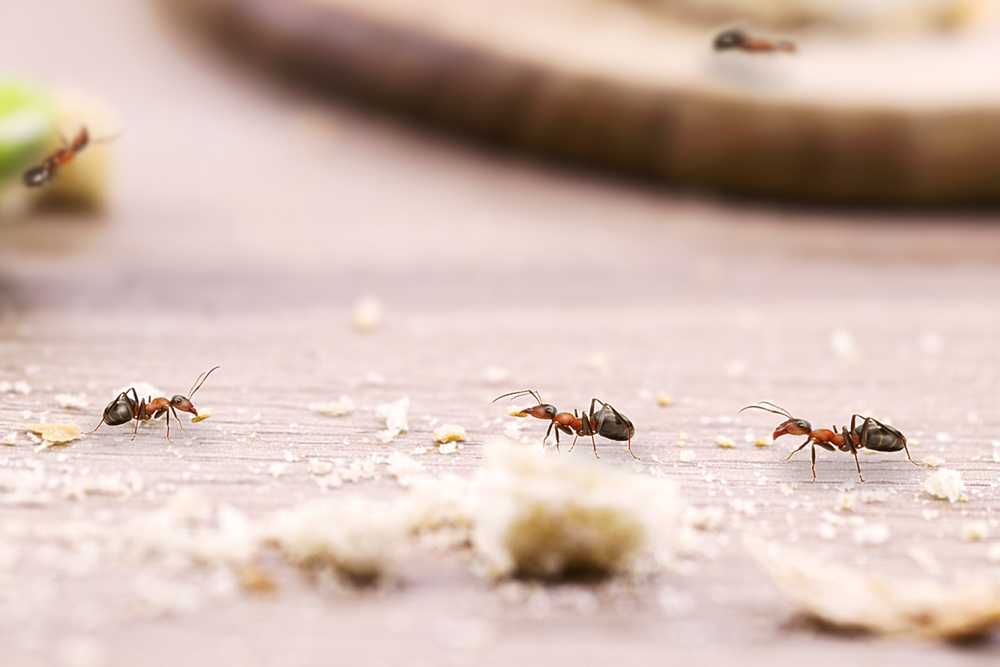
Kitchens often attract ants due to spills, crumbs, and sugary substances like juice or cake. Worker ants may march towards forgotten spills or sticky countertops. Bathrooms, bedrooms, and basements also attract ants, offering the moisture and shelter they need.
Ants also gather inside walls and around air conditioning and heating units, which provide warmth and protection, ideal for nesting. They follow scent trails left by other ants inside, making them more noticeable in food-rich areas.
Knowing these common ant hangouts is the first step in effective control. Target these areas to eliminate the conditions that attract ants and stop ants from spreading further.
Eliminate Food Sources
Eliminating food sources is crucial to preventing ants from invading your house. If they find food, they will keep returning.
Use airtight containers for food storage to keep ants out and maintain a tidy kitchen. Regularly inspect food storage areas and keep food tightly sealed to minimize attractants.
Promptly clean up spills and crumbs, as ants are attracted to even the smallest bits of food. Wipe down countertops, sweep floors, and make it a habit to clean up crumbs daily with a broom or vacuum.
Keep pet food and pet bowls clean and remove them after use to reduce ant attraction. Store dry pet food in sealed containers to further discourage ants from entering your home.
Manage Water Sources
Ants are attracted to water. Managing water sources effectively can prevent ants from settling in. Repair leaky pipes and wipe up standing water to deter fire ants and other bugs.
Inspect areas under sinks and other potential water sources regularly to catch and fix leaks early. Dehumidifiers can help control humidity levels in basements or attics, reducing moisture that attracts ants.
Managing water sources effectively makes your home less inviting to ants.
Seal Entry Points
Sealing entry points is vital for keeping carpenter ants and other ants out. Inspect your home thoroughly for potential entry points like cracks in foundations, gaps under doors, and improperly sealed windows.
Check the outside of your home for easy access points and block them off. Silicone-based caulk is effective for sealing cracks and crevices that ants use to get inside.
Regularly check dog or cat doors to ensure they are properly sealed. Sealing entry points complements your efforts to eliminate food and water sources, making it harder for ants to invade.
Natural Repellents
Natural repellents offer an effective, chemical-free way to keep ants at bay. Essential oils like peppermint oil and lemon eucalyptus can be added to water and used as sprays to deter ants.
Used coffee grounds repel ants when sprinkled around the home’s perimeter. Replace them regularly to maintain potency. Diluted lemon juice and vinegar can be sprayed on ant trails to prevent their return and disrupt scent trails.
Planting ant-repelling herbs and flowers offers a long-term strategy to keep ants away. Bay leaves effectively deter sugar ants and other pests, providing simple and effective solutions to keep your home pest-free.
Yard Maintenance
Maintaining your lawn and yard is key to ant control. A clean yard with trimmed vegetation and no debris discourages ants from nesting near your home. Remove vines touching your walls and replace mulch annually to prevent it from becoming an ant breeding ground. Managing insect populations, like aphids that produce honeydew, further reduces ant attraction.
Ensure downspouts and gutters direct water away from the foundation to reduce ant attraction. Regularly check and maintain proper drainage to prevent water accumulation. River rock or gravel perimeters control ants more effectively than organic ground cover.
Professional Help
Sometimes, ants become a persistent problem despite your best efforts. When natural methods and DIY treatments fail, call in the professionals. Pest control experts offer tailored treatment plans for your specific ant issue.
Professionals are trained to identify different ant species, including odorous house ants and fire ants, ensuring the right effective treatment strategy. They locate hidden nests, mounds, and entry points for complete elimination. With over 15,000 ant species, customized treatment plans are essential. Professional pest control services often offer guarantees for ant removal, ensuring they return if ants reappear. For stubborn ant infestations, reach out to pest control experts for professional help.
Keeping ants out of your house requires a multifaceted approach. By identifying common ant hangouts, eliminating food and water sources, sealing crevices and entry points, using natural repellents, maintaining your yard, and seeking professional help when needed, you can effectively prevent ant infestations. With these strategies, you can enjoy a pest-free home and peace of mind.
Frequently Asked Questions
What natural repellents can I use to repel ants?
To repel ants effectively, consider using essential oils such as peppermint oil and lemon eucalyptus, diluted lemon juice, vinegar, and planting ant-repelling herbs. These natural solutions can help keep your space ant-free.
How often should I replace coffee grounds used to repel ants?
Replace coffee grounds every 1 to 2 weeks to ensure their effectiveness in repelling ants. Regular renewal is key to maintaining their potency.
What are some common entry points for ants in a home?
Common entry points for ants in a home include cracks in foundations, gaps under doors, improperly sealed windows, and spaces around utility lines. Sealing these crevices can help prevent ant infestations.
How can I prevent ants from being attracted to pet food?
To prevent ants from being attracted to pet food, ensure bowls are cleaned regularly, remove them after feeding, and store dry food in airtight containers. This will significantly reduce the likelihood of attracting ants.
When should I call a professional pest control service?
If natural methods and DIY treatments to manage pests are ineffective, it’s time to call a professional pest control service for tailored and effective treatment solutions. Don’t hesitate to seek expert help to address your pest issues effectively.