Effective Pest Control Yellow Jackets: Tips & Techniques for a Sting-Free Yard
Dealing with yellow jackets in your yard can make outdoor spaces stressful and unsafe. This guide explains how to identify yellow jackets, recognize nest activity, understand their seasonal behavior, and use practical prevention and control methods to reduce the risk of stings.
- Yellow jackets are aggressive wasps that become especially active in late summer and early fall, when colonies are larger and food sources are more competitive.
- Spotting nest activity early can help prevent a small yellow jacket problem from turning into a more serious infestation.
- Prevention, trapping, and professional treatment are the most common ways to manage yellow jackets safely around the home.
Understanding Yellow Jackets
Yellow jackets are aggressive wasps with black-and-yellow markings, narrow waists, and painful stings. They build nests underground and in sheltered structures, and they become especially active in late summer and early fall when food sources are abundant. Because they are attracted to sugary foods, drinks, and garbage, they often become a problem around patios, picnics, and outdoor gatherings.
What do Yellow Jackets Look Like?
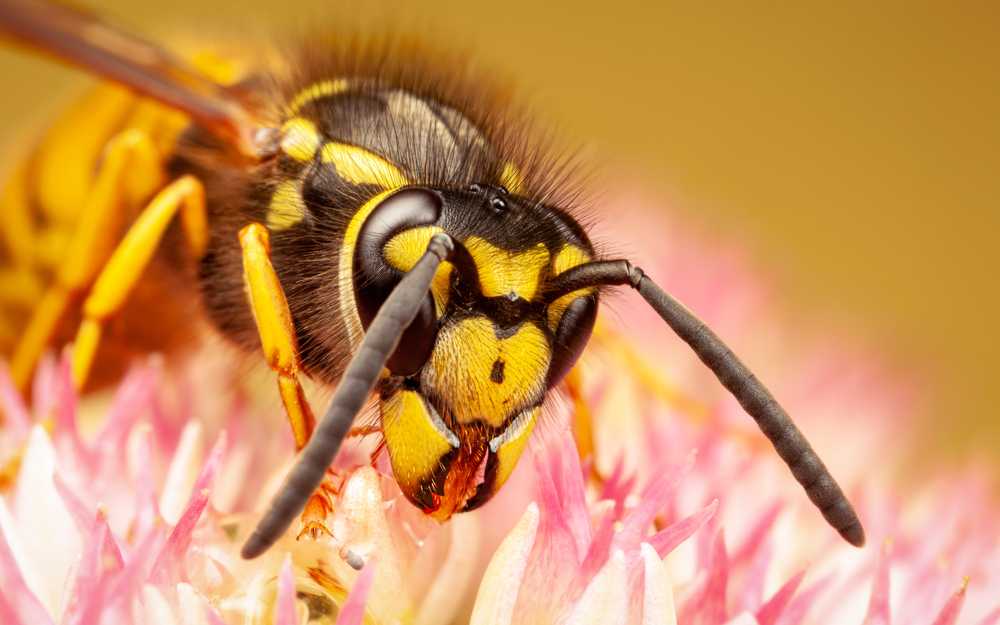
Yellow jackets have black-and-yellow striped bodies, narrow waists, six legs, and two pairs of wings. They are more slender than bees and can sting multiple times. Paper wasps are often confused with yellow jackets, but they are usually slimmer and have longer legs that hang down during flight.
Yellow Jacket Behavior
Yellow jackets live in colonies and become more active and aggressive as the season progresses. They are especially attracted to sugary drinks, fruit, desserts, and garbage, which is why they often gather around outdoor eating areas.
They can also become highly defensive when their nest is disturbed. Vibrations from lawn equipment or sudden movements near a nest may trigger aggressive behavior and increase the risk of stings.
Identifying Yellow Jacket Nests
Yellow jackets usually build either ground nests or aerial nests. Ground nests are hidden below the soil surface and can be difficult to spot, while aerial nests are attached to trees, shrubs, rooflines, or sheltered structures. Their nests have a paper-like texture because they are made from chewed wood fibers.
Repeated sightings of yellow jackets in one area, visible nest entrances, or increased activity near food, garbage, eaves, sheds, or bushes can all signal a nearby nest. Spotting these signs early can help prevent a larger and more defensive colony from developing.
Yellow Jacket Life Cycle
Yellow jacket colonies usually begin in spring, grow through summer, and reach peak activity in late summer or early fall. After mating, only fertilized queens survive the winter and emerge in spring to start new colonies. As the colony grows, more worker yellow jackets emerge, which is why homeowner encounters often become more common later in the season. Understanding this cycle can help you act early, before nests grow larger and yellow jackets become more aggressive.
Queen and Worker Yellow Jackets
The queen starts the colony in spring by building a nest and laying eggs. Once the first workers mature, they take over tasks such as expanding the nest, feeding larvae, foraging, and defending the colony. As the colony grows, worker yellow jackets become the ones homeowners see most often around yards, trash, and outdoor food sources. Their constant foraging and defensive behavior are a big reason yellow jackets become more noticeable and more problematic later in the season.
Effective Yellow Jacket Control Techniques
Yellow jackets can help control other insect pests, but their aggressive behavior and nesting habits often make treatment necessary around homes. Effective control usually includes a combination of prevention, trapping, and professional treatment when needed.
The most helpful first steps are reducing access to food and garbage, identifying nests early, and keeping high-activity areas clean. For active nests, especially those near people or pets, professional treatment is often the safest option.
Preventive Measures
To help prevent yellow jackets, keep garbage sealed, cover food and drinks outdoors, clean up spills quickly, and remove fallen fruit or debris from the yard. Regularly inspect eaves, shrubs, sheds, and other sheltered areas for early signs of nesting.
Keeping landscaping trimmed and reducing clutter can also make your yard less attractive to yellow jackets. Good sanitation and routine inspections can go a long way in lowering yellow jacket activity around the home.
DIY Yellow Jacket Traps
DIY traps can help reduce yellow jacket activity by attracting and capturing foraging workers. Simple traps can be made from containers such as soda bottles filled with sugary bait. While these traps may help lower the number of yellow jackets in outdoor areas, they usually work best as a supplemental measure rather than a complete solution when an active nest is nearby. Used alongside prevention and early nest identification, traps can make outdoor spaces more manageable.
Safety Precautions When Dealing with Yellow Jackets
Yellow jacket stings can be painful and may cause severe allergic reactions in some people. If you are near a suspected nest, stay calm, move slowly, and avoid sudden movements. Wear protective clothing such as long sleeves, pants, gloves, and a head covering if you are working in areas where yellow jackets may be active. People with sting allergies should carry appropriate emergency treatment when spending time outdoors.
Professional Pest Control Services
Professional pest control is often the safest option for large nests, hidden nests, or aggressive yellow jacket activity. A trained professional can identify nest locations, apply targeted treatment, and help reduce the chance of future infestations. Professional service can be especially helpful when nests are difficult to access or when yellow jackets are active near children, pets, entryways, or outdoor gathering spaces. If yellow jacket activity becomes difficult to manage or a nest is close to your home, professional help may be the most effective next step.
Yellow jacket problems can escalate quickly if nests are not addressed early. By learning how to identify yellow jackets, recognize nest activity, reduce attractants, and use the right prevention and control methods, homeowners can lower the risk of stings and make outdoor spaces safer. For larger infestations or nests in difficult locations, professional pest control is often the most effective solution. Acting early can make treatment easier and help prevent a more aggressive colony from becoming established.
Frequently Asked Questions
What do yellow jackets look like?
Yellow jackets are easily identified by their black and yellow segmented bodies, six legs, and thin waists, typically measuring between 38 to 58 mm in length. Their two pairs of elongated wings further distinguish them from other insects.
How can I identify a yellow jacket nest?
To identify a yellow jacket nest, observe increased activity around certain areas and check for damage to wood or paper. Nests are typically located in sheltered spots like wall voids, bushes, trees, or underground.
What are the roles of queen and worker yellow jackets?
The queen yellow jacket’s primary role is to establish the colony and lay eggs, while worker yellow jackets are responsible for nest maintenance, food foraging, and larval care. Each has a crucial function in the colony’s survival and growth.
How can I prevent yellow jackets from nesting in my yard?
To prevent yellow jackets from nesting in your yard, maintain a clean environment by using sealed containers for trash, promptly cleaning spills, and employing natural repellents like peppermint and clove oils. Regular inspections and thoughtful landscaping will also contribute to keeping them at bay.
Why should I contact professional pest control services for yellow jacket management?
Contacting professional pest control services for yellow jacket management is essential, as they offer effective elimination of nests and tailored solutions that help prevent future infestations. Their expertise ensures a thorough and safe approach to handling these pests.