Desert Scorpion: Identification, Behavior, and Care Tips
Desert scorpions are common throughout the southwestern United States, especially in Arizona. They often hide around homes, garages, yards, and other sheltered areas. While they are not usually aggressive, their presence can be unsettling, and their stings can cause pain and discomfort. This guide explains how to identify desert scorpions, understand their behavior, and reduce the chances of finding them around your home.
- Desert scorpions are nocturnal pests that hide in cool, sheltered areas during the day and become active at night.
- Their stings are usually not dangerous to healthy adults, but they can still cause pain, swelling, and concern for more vulnerable individuals.
- Sealing entry points, reducing clutter, and limiting outdoor hiding places can help prevent scorpions from entering your home.
Identifying Desert Scorpions
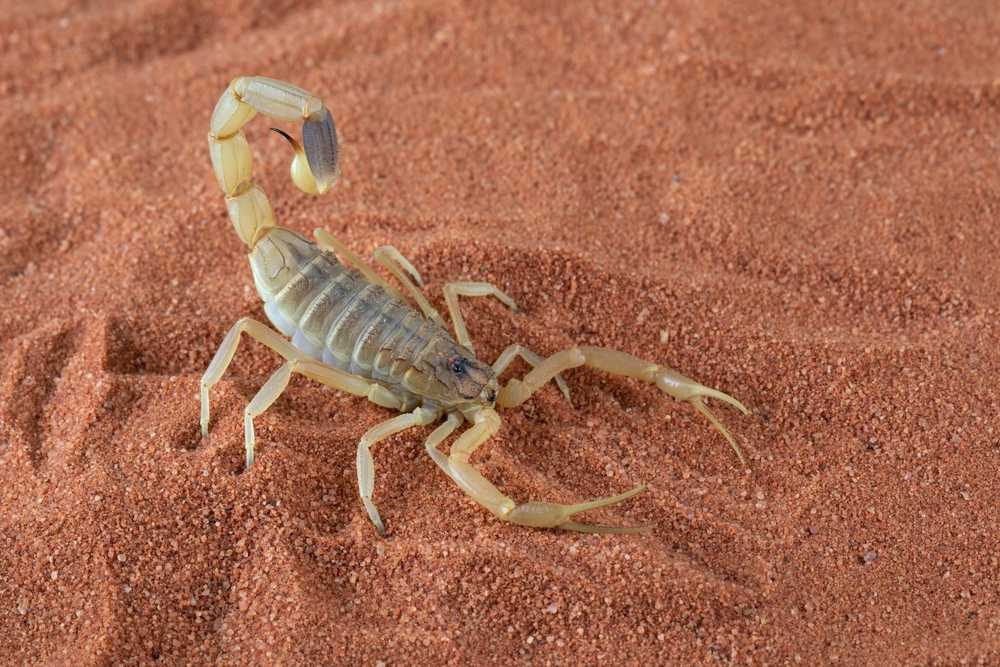
Desert scorpions have segmented bodies, pincers, and a curved tail with a stinger. These features make them easy to recognize once you know what to look for. Most are active at night and spend the day hiding under rocks, wood, debris, or other sheltered spots around the home.
In Arizona and nearby desert regions, homeowners commonly encounter the Arizona desert hairy scorpion and the stripe-tailed scorpion. Although species vary in size and appearance, most have pale to dark coloring, jointed bodies, and a habit of avoiding light while seeking cool, protected spaces.
Where Desert Scorpions Live
Desert scorpions live throughout the Sonoran and Mojave Desert regions, including much of Arizona and parts of California, Nevada, and Utah. They prefer hot, dry climates but seek shelter in cool, shaded areas during the day to avoid extreme temperatures.
Around homes, they may hide under rocks, wood piles, landscaping materials, stored items, and foundation cracks. They can also enter garages, sheds, and living spaces through small gaps and openings while searching for food, water, or shelter.
Behavior and Feeding Habits
Desert scorpions are nocturnal hunters that feed on insects, spiders, and other small prey. They usually remain hidden during the day and become active at night, which is why homeowners often notice them after dark.
Homes with insect activity often attract scorpions because they provide a food source. Their presence may also signal a broader pest issue that needs attention.
Are Desert Scorpions Dangerous?
Desert scorpion stings are usually painful but not dangerous for most healthy adults. A sting can cause localized pain, redness, swelling, or temporary discomfort. Children, older adults, and people with allergies or other health concerns may react more strongly and should be monitored more closely.
Desert scorpions are not typically aggressive, but they may sting when they feel threatened or when someone touches them accidentally. Use caution when reaching into dark storage areas, moving rocks or debris, or walking barefoot outside at night.
Why Scorpion Activity Can Continue
Scorpions are resilient pests that can survive for long periods in harsh desert conditions. Because they hide well and stay active mostly at night, infestations or recurring sightings can be difficult to manage without addressing the conditions that attract them.
If scorpions continue appearing around the home, it may be a sign that they have access to shelter, prey, or entry points nearby. Long-term prevention depends on reducing these conditions around the property.
Desert Scorpions Around The House
Desert scorpions usually avoid people, but they can become a problem when they hide near patios, garages, landscaping, storage areas, or inside the home. They often remain out of sight during the day and are easier to spot at night, especially because they glow under ultraviolet light.
Regular scorpion sightings around the property may mean the yard offers too many hiding places or that other pest activity is drawing them in. Take repeated sightings seriously, especially in homes with children or pets.
Preventing Scorpion Infestations
Preventing scorpions starts with making your home and yard less inviting. Seal cracks and gaps around doors, windows, foundations, and utility lines to reduce entry points. Repair damaged screens, add door sweeps where needed, and check garages and storage areas for openings.
Outdoor maintenance is also important. Remove clutter, trim overgrown vegetation, and avoid leaving wood piles, rocks, or debris near the home. Because scorpions feed on insects, reducing other pest activity around the property can also help lower the risk of scorpion sightings. In areas where scorpions are common, regular pest control service may be the most effective way to reduce activity and improve peace of mind.
Desert scorpions are a common pest in arid regions and are well adapted to hiding around homes and yards. While they are not usually aggressive, their presence can still create concern, especially when sightings become frequent or when children and pets are nearby.
By learning how to identify desert scorpions, understanding where they hide, and taking steps to reduce shelter, entry points, and prey, homeowners can lower the chances of unwanted encounters. If scorpion activity continues, professional pest control may be the most effective next step.
Frequently Asked Questions
Where does a scorpion live?
Scorpions inhabit diverse environments, predominantly preferring deserts and semi-arid regions. They can be found under logs, rocks, and various debris, or resting on vertical surfaces like trees and walls.
What happens if you get stung by a desert hairy scorpion?
A sting from a desert hairy scorpion typically results in immediate pain, swelling, and potential numbness or tingling in the affected area. It’s important to monitor for any severe reactions, although most stings are not fatal to healthy adults.
How poisonous is a desert hairy scorpion?
The desert hairy scorpion’s venom is relatively mild and is comparable in pain to a honeybee’s sting, making it not dangerous to humans. Therefore, while they do possess venom, it is not considered harmful.
How venomous are desert scorpions?
Desert scorpions, such as the Arizona desert hairy scorpion, are venomous but their venom is generally mild and not dangerous to most healthy adults. While a sting can be painful and lead to localized swelling, it usually does not require medical attention.
How can I identify a desert scorpion?
You can identify a desert scorpion by its segmented body, four pairs of jointed legs, and sensory hairs. Additionally, species like the giant hairy scorpion can grow up to 15 cm in length.