Fabric Beetles: Identification and Control Guide
Fabric beetles are pests that damage natural fibers like wool and silk. This guide will help you learn how to identify these beetles, recognize signs of an infestation, and explore effective control methods.
Identifying Fabric Beetles
When it comes to identifying fabric beetles, there are a few key characteristics to look out for:
- Adult carpet beetles are often seen near windows, especially in spring, as they are attracted to light.
- These beetles are small, measuring only about 1/8 to 3/16 inch long.
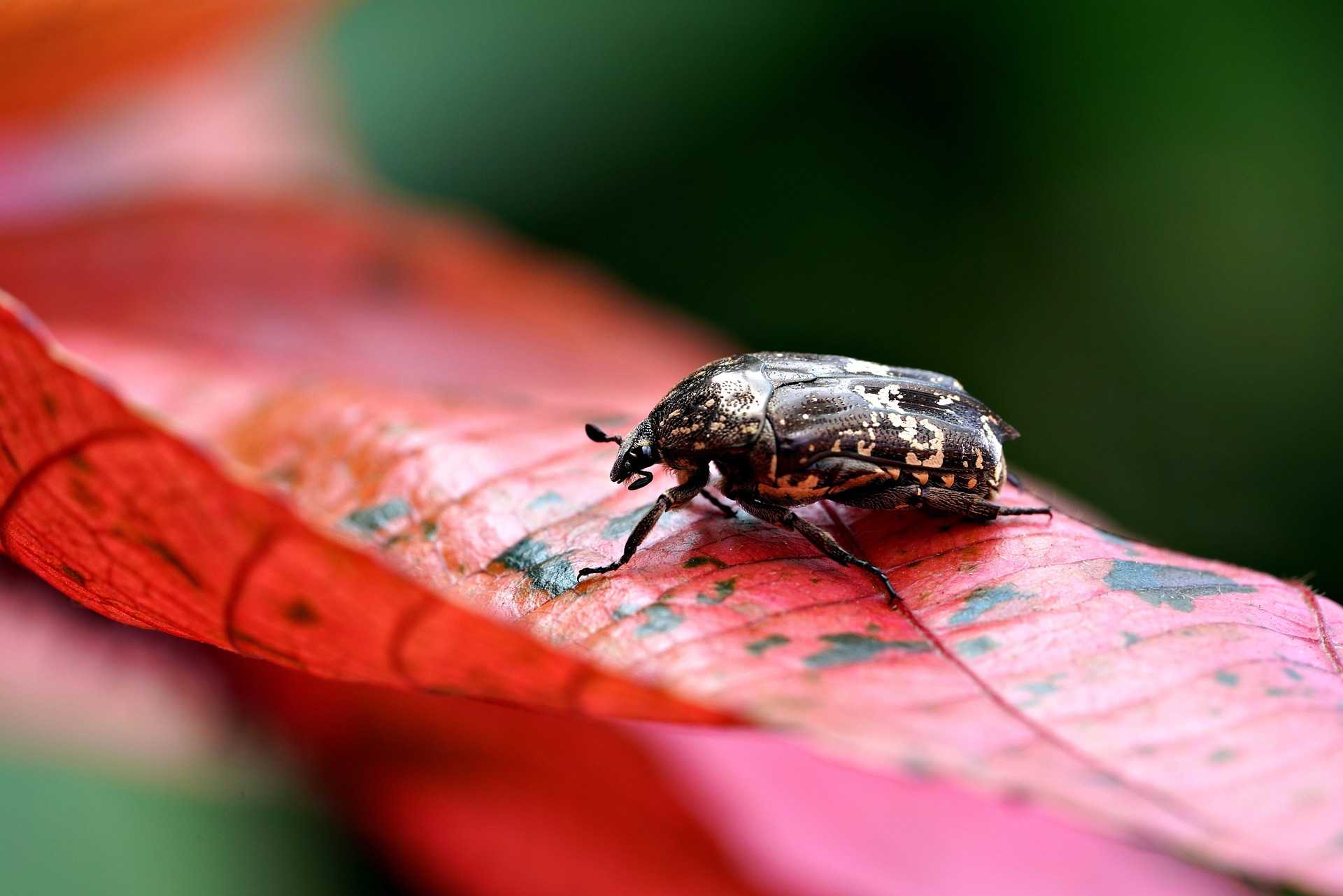
- Varied carpet beetles display a variegated pattern of white, orange, and black patches on their wing cases.
Carpet beetle larvae, on the other hand, are typically more elusive. Key characteristics include:
- More active at night, making them harder to detect during the day
- Small size with hairy bodies
- Some species, like the black carpet beetle larvae, have a distinctive carrot-like shape covered in golden brown hair
- Prefer dark, undisturbed areas where they can feed on organic materials, unlike adult beetles which are more likely to be found near windows
Differentiating carpet beetles from other common fabric pests, such as clothes moths and bed bugs, is crucial. While clothes moths also feed on natural fibers, they tend to cause scattered holes in fabrics, unlike the larger, more concentrated holes caused by carpet beetle larvae.
Bed bugs, primarily a concern for their bites, do not cause the same type of fabric damage. Recognizing these differences can help in accurately identifying and addressing a carpet beetle infestation.
Common Types of Fabric Beetles
There are several common types of fabric beetles that you might encounter. Each type has unique characteristics that can help in its identification and control. Recognizing these differences is vital for effective pest management.
The varied carpet beetle, for instance, is one of the most recognizable species. Adult varied carpet beetles are small, with rounded bodies, and are known for their variegated pattern of white, orange, and black patches on their wing cases. Their larvae, often called ‘woolly bears,’ are densely covered with hairs, giving them a fuzzy appearance.
The black carpet beetle is another prevalent species. Key characteristics include:
- black carpet beetle adults are shiny and can be either black or dark brown.
- They typically measure between 1/8 to 3/16 inch in length.
- Larvae, including the black carpet beetle larva, have a distinctive carrot-like shape and are covered with golden brown hair.
- Both beetles and larvae, including the adult beetle, are often found in dark, undisturbed areas.
- They feed on natural fibers like wool and fur. Additionally, black carpet beetles are commonly found in these environments.
Furniture carpet beetles are larger and have a mottled appearance with black and yellowish scales. These beetles are often found in upholstered furniture and can cause significant damage if left unchecked.
Lastly, the two-spot carpet beetle, identifiable by its elongated oval bodies and two characteristic white spots on its dark wing cases, is another common species.
Life Cycle of Fabric Beetles
The life cycle of fabric beetles is a fascinating process that involves complete metamorphosis. Carpet beetles transition through four stages:
- Egg
- Larval
- Pupal
- Adult Knowing this cycle is crucial for effective pest control.
Female carpet beetles can lay more than 100 eggs at once, usually in dark, hidden areas where food sources are abundant.
- Eggs hatch within a week to five weeks, depending on environmental conditions.
- The larvae, which emerge from the eggs, are the most destructive stage.
- Larvae feed on organic materials and cause significant damage.
The duration of the larval stage can vary greatly, lasting from several weeks to even long periods, depending on the availability of food.
Signs of Infestation
Detecting a carpet beetle infestation early can save you a lot of trouble and damage. One of the most obvious signs of infestation is the presence of shed skins. Carpet beetle larvae shed their skins multiple times as they grow, leaving behind bristly-looking cast skins in areas where they feed. These light-colored shed skins are a clear indication of their activity.
Another telltale sign is the presence of small, dark fecal pellets. These pellets, along with the shed skins, can usually be found in undisturbed areas like under furniture, in closets, or even in dresser drawers. Checking these hidden areas regularly can help in early detection of an infestation in infested areas.
Additionally, damaged fabrics are a significant indicator of carpet beetle activity. Look for large, clustered holes in susceptible fabrics like wool, silk, and other natural fibers. This type of damage is distinct from the scattered holes caused by clothes moths, making it easier to identify the culprit. Frequent home inspections for these signs can help catch an infestation before it becomes severe.
Damage Caused by Fabric Beetles
The damage caused by carpet beetles can be extensive, especially if left unchecked. Carpet beetle larvae are notorious for their appetite for natural fibers. They consume a range of animal products, including wool, silk, fur, and feathers. This can lead to significant damage to clothing, upholstery, and other household items.
One of the most common signs of carpet beetle damage is the presence of large, clustered holes in fabrics. Unlike the scattered holes caused by moths, carpet beetle damage is usually more concentrated. This type of damage is often found in dark, less frequented areas such as under heavy furniture or inside dresser drawers.
In addition to fabrics, carpet beetle larvae can also infest and damage items, like animal fibers, animal furs, and hair brushes with natural bristles. The larvae feed on organic materials that contain keratin, causing extensive damage over time. Recognizing the types of damage these pests cause is essential for effective prevention and control.
Prevention Tips
Preventing a carpet beetle infestation starts with good housekeeping. Regular cleaning and vacuuming are essential to eliminate food sources for carpet beetles, making your home less attractive to these pests. Paying special attention to dark, undisturbed areas can help prevent larvae from finding suitable places to thrive.
Proper storage of clothing and fabrics is another key prevention method. To control any potential fabric beetle presence:
- Launder clothing and fabrics in hot water or dry clean them.
- Store items susceptible to carpet beetles in airtight containers, possibly with insecticidal products labeled for this purpose.
- Dry cleaners can handle woolen items and store them in sealed containers at the end of winter to prevent infestation.
Maintaining a clean environment by minimizing food sources like pet hair and body oils can also help. Feeding outdoors and promptly cleaning up after meals can reduce the likelihood of attracting fabric pests and prevent a pest problem. Following these prevention tips can significantly reduce the risk of a fabric beetle infestation.
Control Methods
If you already have a carpet beetle infestation, you can use several effective control methods. Start with mechanical removal by vacuuming frequently and thoroughly, especially along baseboards, under furniture, and in areas where larvae and eggs are likely to collect. Consistent vacuuming can significantly reduce carpet beetle populations and remove many developing life stages.
If larvae are feeding in fabrics or hidden areas, insecticide treatment may be needed. For best results, apply products along the edges of floor coverings, beneath rugs and furniture, and inside closets where larvae often hide. Always follow label directions and use extra caution with insecticidal dusts to avoid inhalation.
Additional control options include treating items that can’t be dry cleaned or laundered, using sticky traps to monitor activity and measure progress, and using anoxic treatments that lower oxygen levels to eliminate all life stages. For severe or widespread infestations, professional fumigation may be required to ensure safe, complete control.
Ineffective Strategies
While there are many effective strategies for controlling fabric beetles, some commonly used methods are less effective. For instance, cedar storage offers limited protection against fabric pests, as its mothproofing value diminishes after about two years. Sunning infested items may expose insects to heat and light, but often fails to eliminate infestations.
Additionally, using herbs and spices as repellents has limited effects and may even attract other plants. Understanding these ineffective strategies can save time and effort, allowing you to focus on methods that truly work.
Fabric beetles are a common household pest that can cause significant damage to natural fibers and other organic materials. Identifying these pests, understanding their life cycle, and recognizing signs of infestation are crucial steps in managing and preventing damage. Effective control methods, including regular cleaning, proper storage, and targeted treatments, can help keep your home fabric beetle-free.
If you suspect a carpet beetle infestation or need professional assistance, contact a professional today to safeguard your home and belongings from fabric pests.
Frequently Asked Questions
How can I identify a carpet beetle infestation?
To identify a carpet beetle infestation, observe for shed skins, small dark fecal pellets, and clusters of holes in fabrics. Additionally, adult beetles are commonly found near windows in spring, while larvae tend to be more active during the night.
What types of fabric beetles are most common?
The most common types of fabric beetles are varied carpet beetles, black carpet beetles, furniture carpet beetles, and two-spot carpet beetles. Identifying these species can help in effectively managing infestations.
How can I prevent carpet beetle infestations?
To prevent carpet beetle infestations, it is essential to regularly clean and vacuum your home, store clothing and fabrics in airtight containers, and ensure that susceptible items are laundered or dry cleaned. Implementing these measures will significantly reduce the risk of infestation.
What control methods are effective against carpet beetles?
Effective control methods against carpet beetles include mechanical removal via vacuuming, insecticide treatments, sticky traps, and anoxic treatment. For severe infestations, fumigation may be required.
Are there any ineffective strategies for controlling fabric beetles?
Ineffective strategies for controlling fabric beetles include cedar storage, sunning items, and using herbs and spices, as these approaches may not only fail to deter the beetles but could also attract other pests. Therefore, it is essential to utilize more reliable methods for effective control.