Guide to the Big Headed Ant: Identification and Control
Big headed ants (Pheidole megacephala) are a very successful invasive ant species causing problems in tropical and subtropical parts of the world. In this guide, you’ll learn how to identify them, understand their impact on native ants and ecosystems, and implement effective control measures. We’ll cover their origins, physical characteristics, behavior, and management strategies.
- The Big-headed ant (Pheidole megacephala), originally from Mauritius, has spread globally due to human activities, becoming a notable invasive ant species in Florida and other subtropical regions.
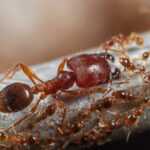
- Identification of the Big-headed ant is facilitated by its unique physical characteristics, including a disproportionately large heart-shaped head, conspicuously swollen two-segmented pedicel, and a two-node waist, differentiating it from other introduced ant species like the red imported fire ant.
- Effective management of Big-headed ant populations requires integrated strategies, including the use of residual sprays, granular insecticides, and baits, as well as collaboration among neighbors to prevent reinfestation and control biological invasions.
Origins and Spread
The story of the Big-headed ant begins in Mauritius and nearby islands in the Indian Ocean. These ants, originally confined to small areas, have traveled far, primarily due to human activities and biological invasions. The global trade boom of the 18th and 19th centuries, facilitated by sailing ships, played a significant role in their spread.
By the early 2000s, bigheaded ants had spread to numerous tropical and subtropical parts worldwide, including the southeastern United States. Their adaptability and capacity to form large colonies with multiple queens have made them a formidable invasive species.
Florida’s warm climate has made it a hotspot for these ants in southern Florida. By 2007, they had been identified in multiple counties. Their pervasive presence forms virtually continuous supercolonies, excluding most other ant species and complicating control efforts. Knowledge of their origins and spread is key to developing effective control strategies.
Physical Characteristics
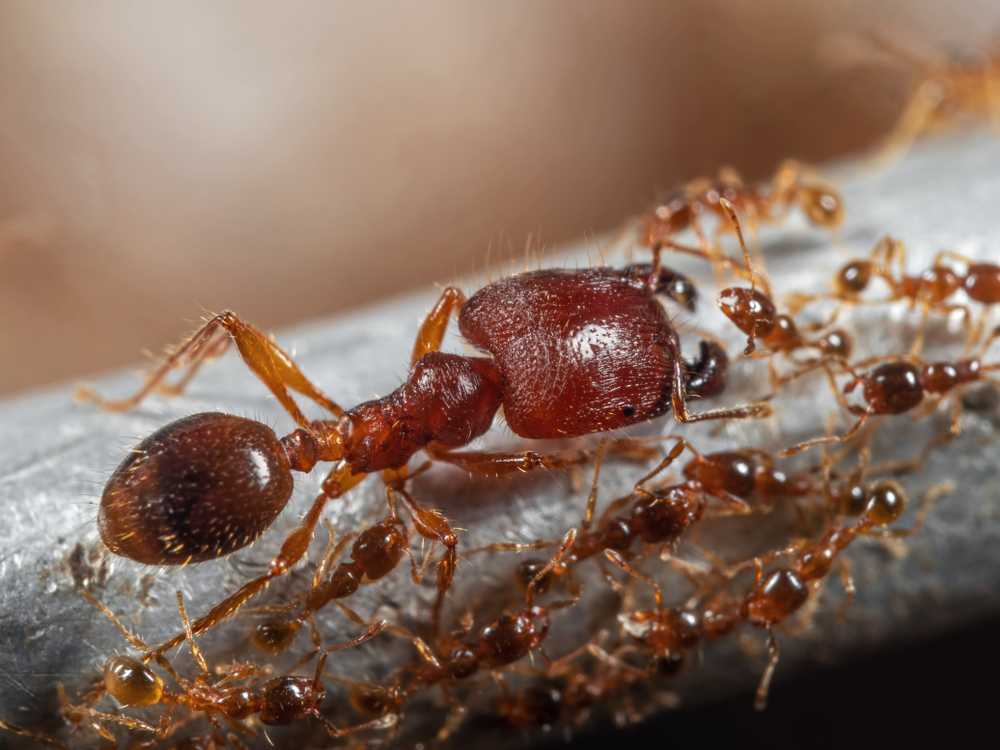
The major worker is distinguished by a disproportionately large, almost heart-shaped head, a defining feature of the Big-headed ant. Their dark brown color and sparse, long hair also aid identification. In contrast, the minor workers are smaller, reddish-brown, and less noticeable.
Their thorax features two short propodeal spines on the epinotum, adding to their unique appearance. The antennae consist of twelve segments ending in a well-defined three-segmented club, crucial for sensory perception and foraging behaviors.
The body features a two-segmented pedicel, comprising a petiole and a post-petiole, with the post-petiole node conspicuously swollen. This segmentation is visible from both dorsal and lateral views and helps distinguish them from subterranean termites and other ant species.
Similar Ant Species in Florida
In Florida, Big-headed ants often coexist with other invasive ant species, complicating identification. One such species is the red imported fire ant (RIFA), known for its highly aggressive behavior and painful sting. Both can form large colonies, which adds to the complexity.
The red imported fire ant often engages in territorial disputes with Big-headed ants, further complicating identification, especially where both species are present. Understanding their behavioral and physical differences aids accurate identification.
Big-headed ants tend to form virtually continuous supercolonies, whereas red imported fire ants create distinct ant colonies. Recognizing these patterns helps distinguish between the two invasive species and implement appropriate control measures.
Life Cycle and Reproduction
The Big-headed ant’s life cycle involves complete metamorphosis through stages of egg, larva, pupa, and adult, similar to other insects. This process ensures colony survival and proliferation, allowing adaptation to various environmental conditions.
Queen Big-headed ants are vital for reproduction. Larger than worker ants, they possess robust thoraxes that support flight. These fertile queens can reach 7 to 8 mm, significantly out-sizing both major and minor workers.
Post-mating, fertilized queens shed their wings and establish new colonies by finding suitable nest sites, often in wall voids or soil. This strategy enables rapid colony establishment, contributing to their invasive success. Understanding their life cycle is key to developing targeted control measures.
Foraging and Feeding Habits
Big-headed ants are omnivorous foragers, creating extensive trails with numerous entrances that link nests to food sources. These trails ensure efficient food collection, aiding colony survival and growth.
Their diverse diet includes sweet liquids like honeydew, seeds, dead insects, and soil invertebrates. This adaptability allows them to thrive in various environments, from disturbed habitats to urban areas. Knowledge of their foraging and feeding habits helps in developing effective control strategies, such as granular baits.
Nesting Sites
Big-headed ants excel at establishing nests in various locations. They often dig beneath the surface, creating displaced soil as a common activity indicator. This soil displacement is particularly noticeable at lawn and walkway intersections, where they frequently expand their colonies.
Common nesting sites include soil and areas under objects like bricks, rocks, and debris. In well-maintained lawns, they may be less visible, but soil piles along walkways often indicate their presence. These ants quickly colonize new areas, particularly in disturbed habitats.
Control efforts should target these nesting sites. Understanding their nesting behavior and preferred locations enables more effective management strategies to curb their spread.
Pest Status and Impact
The Big-headed ant, Pheidole megacephala, is listed in the global invasive species database as one of Florida’s most troublesome pest ant species. Their displacement of native ants and other members of local ecosystems poses a significant ecological threat, disrupting sustainable ecosystems and reducing biodiversity.
In residential areas, Big-headed ants often invade homes in search of food, particularly kitchens and other areas with accessible supplies. Surveys show they account for approximately 7% of pest control calls in Florida, highlighting their growing impact.
These ants can create foraging tubes resembling those of subterranean termites, causing confusion and annoyance for homeowners. Collaboration with neighbors is crucial for effective control, as untreated adjacent properties can lead to reinfestation.
Effective Management Strategies
Managing Big-headed ants effectively involves a combination of strategies. Residual sprays containing fipronil or bifenthrin can provide temporary population control, particularly in areas where ants are most active.
Granular insecticides containing fipronil or lambda-cyhalothrin are commonly applied to lawns and flowerbeds. Baits with ingredients such as metaflumizone or fipronil can effectively reduce their populations over time.
Combining insecticides and baits ensures a comprehensive management strategy. Collaboration with neighbors and maintaining sustainable ecosystems are crucial for long-term control.
The Big-headed ant is a formidable invasive ant species with significant ecological and household impacts. Understanding their origins, physical characteristics, life cycle, and behavior is crucial for effective management. By implementing targeted control strategies and collaborating with neighbors, we can mitigate their spread and protect native ants and other members of local ecosystems.
Frequently Asked Questions
How can I identify a Big-headed ant?
To identify a Big-headed ant, look for major workers that possess disproportionately large, heart-shaped heads, a dark brown coloration, long hairs, and a conspicuously swollen two-segmented pedicel. Their thorax features two prominent spines on the epinotum.
Where do Big-headed ants typically nest?
Big-headed ants typically nest in soil and under objects such as bricks, rocks, and debris, commonly found along the edges of lawns and pathways, and sometimes in wall voids.
What do Big-headed ants eat?
Big-headed ants are omnivorous, feeding on sweet liquids such as honeydew, seeds, dead insects, and soil invertebrates while utilizing foraging trails with numerous entrances to connect their nests to food sources.
Why are Big-headed ants considered pests?
Big-headed ants are considered pests because they displace native ants and other members of ecosystems, disrupt sustainable ecosystems, and invade homes in search of food, particularly in Florida where they are recognized as a significant pest. Their presence can lead to ecological imbalance and infestation challenges.
What are effective management strategies for Big-headed ants?
Implementing a combination of residual sprays, granular insecticides, and baits containing fipronil or metaflumizone is essential for effective management of Big-headed ants. This integrated approach guarantees a more comprehensive control over the infestation and helps prevent reinfestation from neighboring properties.