The Complete Guide to Understanding Different Types of Roaches
Are you wondering what kinds of roaches are invading your home? This guide explains the most common types of cockroaches, how to identify them, where they prefer to live, and what steps can help control and prevent infestations.
What to Know
- Knowing the most common cockroach species and their preferred environments can help guide more effective control.
- Common signs of infestation include droppings, egg cases, shed skins, and musty odors.
- Long-term control usually requires a mix of sanitation, targeted treatments, and professional help when infestations become severe.
Common Cockroach Species
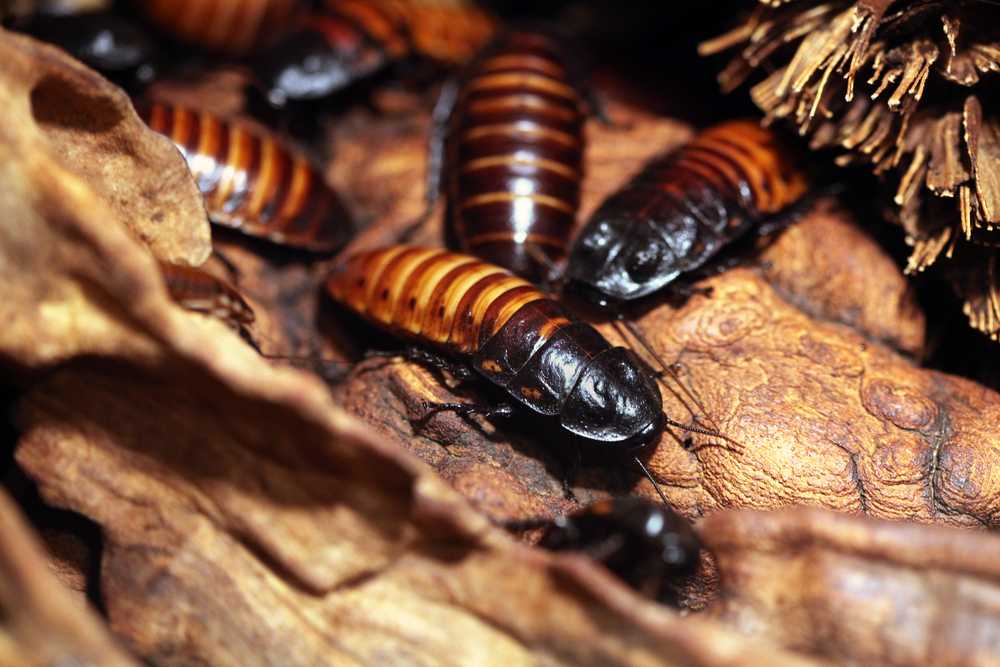
The most common cockroach species found in North America include German, American, Oriental, Brown-Banded, and Smoky Brown cockroaches. Understanding how each species looks and where it prefers to live can make identification easier and help determine the best control approach.
German Cockroach
German cockroaches are small and light brown to tan in color. They have two dark stripes running from the head to the base of the wings. These cockroaches prefer warm, humid environments and are most often found in kitchens, bathrooms, cupboards, behind appliances, and along baseboards.
Because German cockroaches reproduce quickly and adapt well to indoor environments, they are one of the most difficult species to control once an infestation becomes established.
American Cockroach
American cockroaches are among the largest species commonly found in homes and businesses. They are reddish-brown and are often seen in damp basements, food preparation areas, restaurants, grocery stores, and similar environments where food and moisture are available.
Their large size and preference for warm, damp conditions make them especially noticeable when infestations occur indoors.
Oriental Cockroach
Oriental cockroaches are shiny black or dark brown and tend to prefer cool, dark, damp spaces such as garages, basements, bathrooms, crawl spaces, and areas near drains. They are sometimes called water bugs because of their strong preference for moist environments.
These cockroaches are also associated with health risks because they can spread bacteria and often produce a strong musty odor that may signal an infestation.
Brown-Banded Cockroach
Brown-banded cockroaches are smaller than many other species and can be identified by the light bands across their wings and darker brown bodies. Unlike roaches that prefer moisture-rich areas, brown-banded cockroaches often inhabit higher, drier locations inside buildings.
They are commonly found behind appliances, inside furniture, and in wall crevices, which can make them harder to spot early.
Smoky Brown Cockroach
Smoky brown cockroaches are usually found outdoors and are strongly attracted to humid environments. They may enter buildings through cracks and crevices or be carried inside on firewood, boxes, or other outdoor materials.
Because they prefer moisture, they are more likely to become a problem in damp areas and in homes located in warm, humid climates.
Life Cycle of Cockroaches
Cockroaches go through three main life stages: egg, nymph, and adult. Understanding this cycle is important because it helps explain how infestations grow and why early action matters. Depending on the species and environmental conditions, cockroaches may live from several months to more than a year.
Egg Cases
Cockroach egg cases, known as oothecae, are often hidden in secluded areas such as behind appliances, inside cabinets, and in cracks or crevices. Female German cockroaches carry the egg case for most of the incubation period, which helps protect the developing eggs.
Depending on the species and conditions, egg development can take anywhere from a few weeks to several months. Because one egg case can produce many nymphs, finding and removing egg cases early can help reduce future population growth.
Nymph Stages
Nymphs are juvenile cockroaches that hatch from egg cases and go through multiple molts before becoming adults. During this stage, they shed their exoskeletons several times as they grow.
Shed skins are often left behind in dark, moist, and protected areas, which makes them an important sign of infestation. The nymph stage may last from several weeks to a few months, depending on the species and environment.
Adult Cockroaches
Adult cockroaches are fully developed and capable of reproducing. They typically have flattened bodies, long antennae, and a shield-like area behind the head. Some species, such as American cockroaches, may live much longer than others, while German cockroaches are especially known for their rapid reproduction.
Because adult females can produce multiple egg cases, a small infestation can grow quickly if conditions remain favorable.
Signs of Cockroach Infestations
Detecting a cockroach infestation early can make treatment more effective and help reduce health risks. Cockroaches often hide in dark, moist areas where food, water, and shelter are available.
Cockroach Feces
Cockroach droppings are one of the most common signs of activity. Smaller droppings may resemble coffee grounds or black pepper, while larger droppings are more cylindrical. These droppings may trigger allergies and can contribute to unsanitary conditions if left untreated.
Regular cleaning and inspection of affected areas can help reduce cockroach populations and limit contamination.
Egg Cases and Shed Skins
Egg cases and shed skins are strong indicators that cockroaches are breeding and developing nearby. These cases may be hidden in cabinets, behind furniture, or near appliances, while shed skins are often found in dark, undisturbed areas.
These signs can help homeowners identify an infestation before it becomes more severe.
Musty Odor
Some cockroach species, especially German and American cockroaches, can produce a strong musty odor. This smell may become more noticeable as infestations grow and can serve as an early warning sign when cockroaches remain hidden from view.
If a musty odor appears in damp or food-heavy areas, it is worth checking more closely for signs of infestation.
Effective Cockroach Control Methods
Effective cockroach control usually requires more than one method. Because cockroaches hide in hard-to-reach places and reproduce quickly, the best results often come from combining sanitation, baiting, natural products, and broader pest management strategies.
Sanitation Practices
Sanitation is one of the most important parts of cockroach control. Cleaning up crumbs, spills, grease, and standing water helps remove the food and moisture cockroaches need to survive. Keeping kitchens, bathrooms, cabinets, and food preparation areas clean can make a home much less attractive to them.
Reducing clutter, sealing cracks and crevices, and removing trash regularly also help reduce hiding places and harborage.
Bait Stations and Gel Baits
Bait stations and gel baits are widely used to control cockroach populations. These products work best when other food sources are limited, encouraging cockroaches to feed on the bait and carry it back to their hiding places.
Proper placement in areas where cockroaches gather, such as along walls, under sinks, and near appliances, can improve results.
Boric Acid and Diatomaceous Earth
Boric acid and diatomaceous earth are common substances used to help control cockroaches in hidden areas. This acts as a poison when cockroaches ingest it, while diatomaceous earth damages the outer layer of the insect and causes dehydration.
These treatments are often applied in cracks, crevices, and other hard-to-reach locations where cockroaches hide.
Integrated Pest Management
Integrated pest management combines sanitation, monitoring, exclusion, and treatment into one long-term control strategy. This approach focuses not only on eliminating current infestations but also on reducing the environmental conditions that allow them to return.
By combining physical, chemical, and preventive methods, integrated pest management offers a more sustainable way to keep cockroach populations under control.
When to Call A Professional
Severe or recurring cockroach infestations often require professional help. Because cockroaches hide in difficult locations and can reproduce rapidly, DIY efforts may not fully eliminate the infestation once it becomes established.
Professional pest control services can inspect the property, identify the species involved, locate the main activity areas, and apply more targeted treatments. For larger infestations, professional treatment may be the most effective way to restore a healthier living environment and prevent the problem from returning.
Keeping Roaches Out of Your Home
Understanding the different types of roaches, their life cycles, and the signs of infestation can help homeowners respond more effectively when problems arise. Early detection, proper sanitation, consistent monitoring, and targeted control methods all play an important role in reducing cockroach populations.
When infestations become severe or persistent, professional pest control may be the best way to restore a healthier and more comfortable living environment.
Frequently Asked Questions
What bug can be mistaken for a roach?
June bugs, or May beetles, can be mistaken for cockroaches due to their dark coloration, similar size, and oval shape. It’s important to recognize these differences to correctly identify the pest in question.
What are the hardest roaches to get rid of?
German roaches are among the hardest cockroaches to eliminate due to their resilience and adaptability. Effective control involves understanding their behavior and habitats for successful eradication.
What are the most common species of cockroaches found in North America?
The most common species of cockroaches found in North America are German, American, Oriental, Brown-Banded, and Smoky Brown cockroaches. Recognizing these species can help in effective pest management.
How can I identify signs of a cockroach infestation?
To identify signs of a cockroach infestation, look for droppings, egg cases, shed skins, and a musty odor in hidden areas. These indicators can help confirm their presence in your home.
What are effective methods for controlling cockroach populations?
To effectively control cockroach populations, maintain a clean environment, utilize bait stations and gel baits, and apply boric acid or diatomaceous earth in hidden areas. These strategies are crucial for reducing infestations.