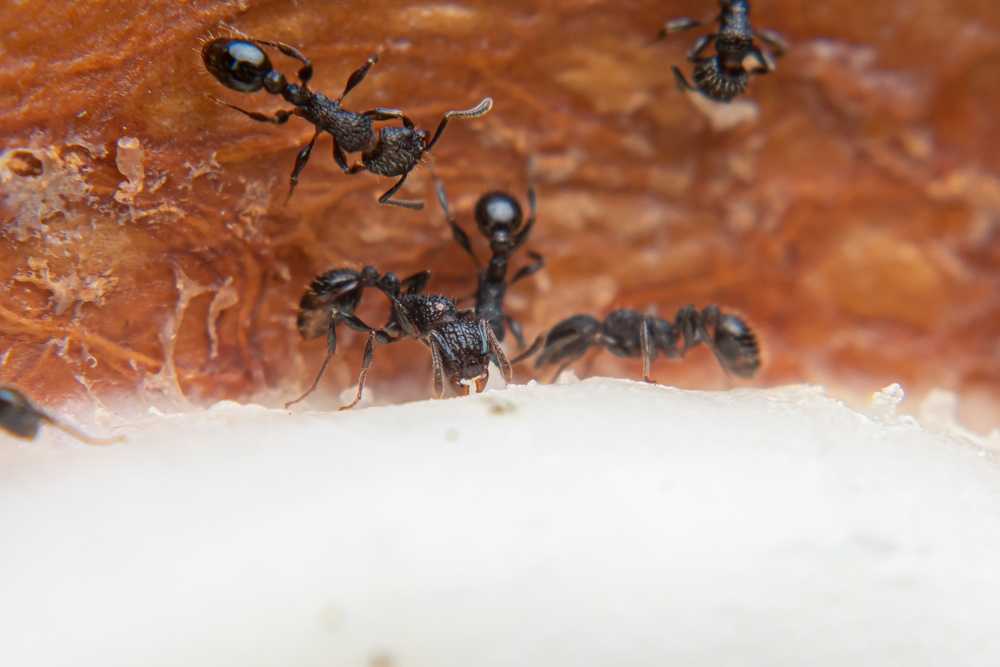
How to Identify and Control Coconut Ants at Home
Coconut ants, also known as sugar ants or odorous house ants, are common household pests attracted to sugary foods and moisture. These small, dark brown to black ants can quickly become a nuisance if left unchecked. This article will guide you in identifying coconut ants, understanding why they invade homes, and exploring effective control methods to keep them at bay.
- Coconut ants, characterized by their small size and preference for sugary substances and sweet foods, can quickly escalate into significant household pests if not identified and controlled promptly.
- Effective control of coconut ants involves a combination of maintaining cleanliness, managing moisture, using natural and chemical treatments, and, in severe cases, seeking professional pest control services.
- Preventing future infestations requires sealing entry points, proper food storage, cleaning countertops regularly, and addressing moisture issues to eliminate the primary attractants for coconut ants.
Recognizing Coconut Ants
Coconut ants, also known as sugar ants or odorous house ants (Tapinoma sessile), are among the most common household pests. Identifying these ants helps in managing their presence in your home. Unlike many ant species, coconut ants have a distinct preference for sugary substances, often leading them to our kitchen counters and trash cans.
Their small size and dark coloration make them easy to overlook, but their presence and ant activity can quickly escalate into a significant problem if not addressed promptly.
Identifying Features
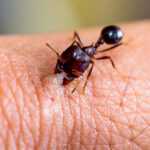
Coconut ants typically range in color from dark brown to black and measure about 1/16 to 1/8 inches in length. One of their distinguishing features is the gaster, which sits directly atop the petiole, setting them apart from other ant species.
These tiny stink ants might seem insignificant due to their size, but their ability to build nests with multiple nests and multiple queens can make them a formidable household pest.
Common Habitats
Coconut ants thrive in a variety of environments, showcasing their adaptability. Indoors, they are often found in areas like kitchens, bathrooms, and basements, where food and moisture are readily available. Outdoors, they build nests under rocks, in soil, and among plants.
Their adaptability allows them to survive in various climates and seasons, including warmer months, posing a persistent challenge for homeowners.
Why Coconut Ants Invade Homes
The primary reasons coconut ants invade homes are:
- The availability of food and moisture
- They are particularly drawn to sugary substances and sweet foods, which can be found in abundance in kitchens and pantries
- The presence of moisture from leaky pipes, standing water, or other moisture sources makes homes even more attractive to these pests
Addressing these factors is crucial in preventing an odorous house ant infestation.
Food Sources
Coconut ants are primarily attracted to sugary and greasy foods. Common food sources include sweets, dairy products, fruits, vegetables, and pet food. When these ants discover food indoors, they leave a scent trail to guide other colony members to the source. This rapid gathering can escalate the infestation quickly.
Cleaning up sugary spills, pet food, and maintaining a regular cleaning routine, including cleaning countertops, helps deter these ants.
Moisture and Shelter
Moisture is another significant attractant for coconut ants. They prefer nesting in damp areas, such as around leaky pipes, wall voids, and under sinks. Addressing leaking faucets and other plumbing issues can reduce the moisture that attracts ants.
Standing water in plant pots, birdbaths, clogged gutters, or other moisture sources should also be eliminated to make your home less appealing to these pests.
Odorous House Ant Infestation Signs
Recognizing the signs of an odorous house ant infestation is key to taking timely action. One of the most noticeable signs is visible ant trails indoors or outdoors, indicating high ant activity. Even spotting a few ants can indicate a larger problem lurking within your home.
Additionally, these odorous ants and stink ants are known for producing a distinct pungent odor reminiscent of rotten coconut or blue cheese when crushed.
Ant Trails
These ants use pheromone trails for navigation. These trails help guide colony members to food sources. Long lines of ants are a clear signal of a growing infestation. These trails are often found in kitchens, pantries, and bathrooms, indicating high activity areas.
To locate their nests, look for these trails and follow them back to the source, which could be in wall voids, under sinks, or behind baseboards.
Pungent Odor
When odorous house ants are disturbed or crushed, they emit a distinctive pungent odor similar to rotten coconut. This smell can be a strong indicator of an infestation. While an odorous house ant bite is rare and usually not harmful, the primary concern is their odor.
If you notice this odor, it’s a sign that you need to take immediate action to get rid of the odorous ant population in your home.
Effective Control Methods
Managing coconut ants requires a combination of strategies. Start by inspecting your property to identify affected areas. Utilizing a double band of protection and placing bait traps inside the building can effectively eliminate ants.
Natural Remedies
Natural remedies can be an effective first line of defense against coconut ants. Homemade ant baits made by combining sugar with borax can attract and kill ants. Insecticidal soap and neem oil are also effective treatments for managing ant infestations.
These methods are eco-friendly and can reduce the ant population without the use of harsh chemicals.
Chemical Treatments
Chemical treatments involve using bait traps and sprays to target ant colonies. Ants take the bait back to the nest, effectively eliminating the colony. However, targeted treatments can sometimes be ineffective for stubborn infestations. Regularly monitoring and replacing baits is crucial for optimal effectiveness.
Be cautious with spray treatments as they may deter ants from the baits.
Preventing Future Infestations
Preventing future infestations involves a combination of exclusion methods, proper food storage, and moisture management. Sealing cracks and gaps to prevent ants from gaining access, storing food in airtight containers, and addressing moisture issues are key strategies. Regular inspections can help identify potential entry points and food sources for coconut ants.
Taking care of issues immediately can help prevent the worsening of ant infestations.
Sealing Entry Points
Sealing entry points is crucial in preventing ant access. Pay attention to gaps around vents, window and door sills, and areas around pipes and utility lines. Using petroleum jelly can effectively plug small entry points, providing an additional barrier against ants.
Proper Food Storage
Proper food storage is essential to avoid attracting coconut ants. Keep food in airtight containers to eliminate food sources. Daily cleaning of countertops and vacuuming floors helps limit food availability for ants.
This practice reduces the chances of an infestation and maintains a cleaner home environment.
Managing Moisture
Managing moisture is critical in preventing ant infestations. Fix plumbing leaks and moisture issues promptly to reduce attractive moisture sources. Eliminating standing water around the home, such as in plant pots, birdbaths, or clogged gutters, helps control moisture levels and minimizes ant attraction.
Understanding Coconut Ant Behavior
Understanding the behavior of coconut ants can aid in controlling their presence. These ants have a hierarchical colony structure with multiple reproducing queens, which contributes to their colony’s strength and adaptability. The presence of multiple colonies within a home suggests a significant infestation level.
Difficulty in locating nests can indicate that the infestation is extensive and may require expert intervention.
Colony Structure
Coconut ant colonies are characterized by a hierarchical structure that facilitates efficient coordination among members. This organization enables a division of labor among workers, enhancing the colony’s efficiency.
Multiple reproductive queens within a colony contribute to its growth and adaptability. This structure allows the colony to thrive in various environments, showcasing the benefits of having multiple queens.
Interaction with Other Insects
Coconut ants engage in mutualistic relationships with other insects, such as aphids. They protect aphids in exchange for honeydew, a sugary secretion. These interactions highlight the ecological role of coconut ants in sustaining populations of aphids and other insects.
Understanding these relationships can provide insights into managing ant infestations more effectively.
When to Call a Professional
Knowing when to call a professional is crucial in managing severe infestations. Coconut ants can be challenging to control due to their ability to split into multiple colonies. If you are unable to locate an exterior nest, it may indicate that the ants are nesting inside your walls.
The severity of an infestation can dictate the need for professional intervention. Coconut ants are difficult to manage due to their adaptability and tendency to establish multiple colonies and satellite colonies. Attempting to spray these ants on your own can trigger a colony split, spreading the infestation further.
Benefits of Professional Services
Hiring professional pest control services can significantly improve the chances of managing coconut ant infestations effectively. Professionals conduct thorough inspections to identify the source and extent of the infestation. Their targeted treatments are designed to eliminate ants considering their unique behaviors and habitats.
Utilizing expert services leads to quicker and more sustainable pest management compared to DIY methods.
Recognizing and controlling coconut ants involves understanding their identifying features, common habitats, and behavior. Effective control methods include natural remedies, chemical treatments, and professional pest control services. Preventing future infestations requires sealing entry points, proper food storage, cleaning countertops, and managing moisture. Don’t let coconut ants take over your home—take action today and seek expert assistance.
Frequently Asked Questions
What are the identifying features of coconut ants?
Coconut ants can be identified by their dark brown to black coloration and their small size, measuring approximately 1/16 to 1/8 inches. Notably, their gaster rests directly atop the petiole, setting them apart from other ant species.
Why do coconut ants invade homes?
Coconut ants invade homes primarily in search of food and moisture, often being attracted to sugary substances and sweet foods. They can commonly be found around pantries, cupboards, and countertops.
How can I control a coconut ant infestation naturally?
To effectively control a coconut ant infestation naturally, consider using homemade ant baits created from sugar and borax, along with insecticidal soap and neem oil. These methods provide a safe alternative to harsh chemicals while managing the infestation.
When should I call a professional for a coconut ant infestation?
You should call a professional for a coconut ant infestation when you notice severe ant activity, multiple colonies or satellite colonies, or if your DIY efforts fail to resolve the issue. Taking prompt action ensures effective management of the problem.
What are the benefits of hiring professional pest control services?
Hiring professional pest control services ensures thorough inspections and targeted treatments, leading to more effective and sustainable pest management than DIY methods. Their expertise allows for efficient handling of specific pest issues, ultimately providing peace of mind.