The Most Poisonous Scorpion: What You Need to Know
Curious about the most poisonous scorpion? The Indian red scorpion, scientifically known as Hottentotta tamulus, holds this title due to its deadly venom. In this article, we’ll explore its dangers, compare it with other venomous scorpions, and discuss sting prevention and treatment.
What is the most poisonous scorpion in the world?
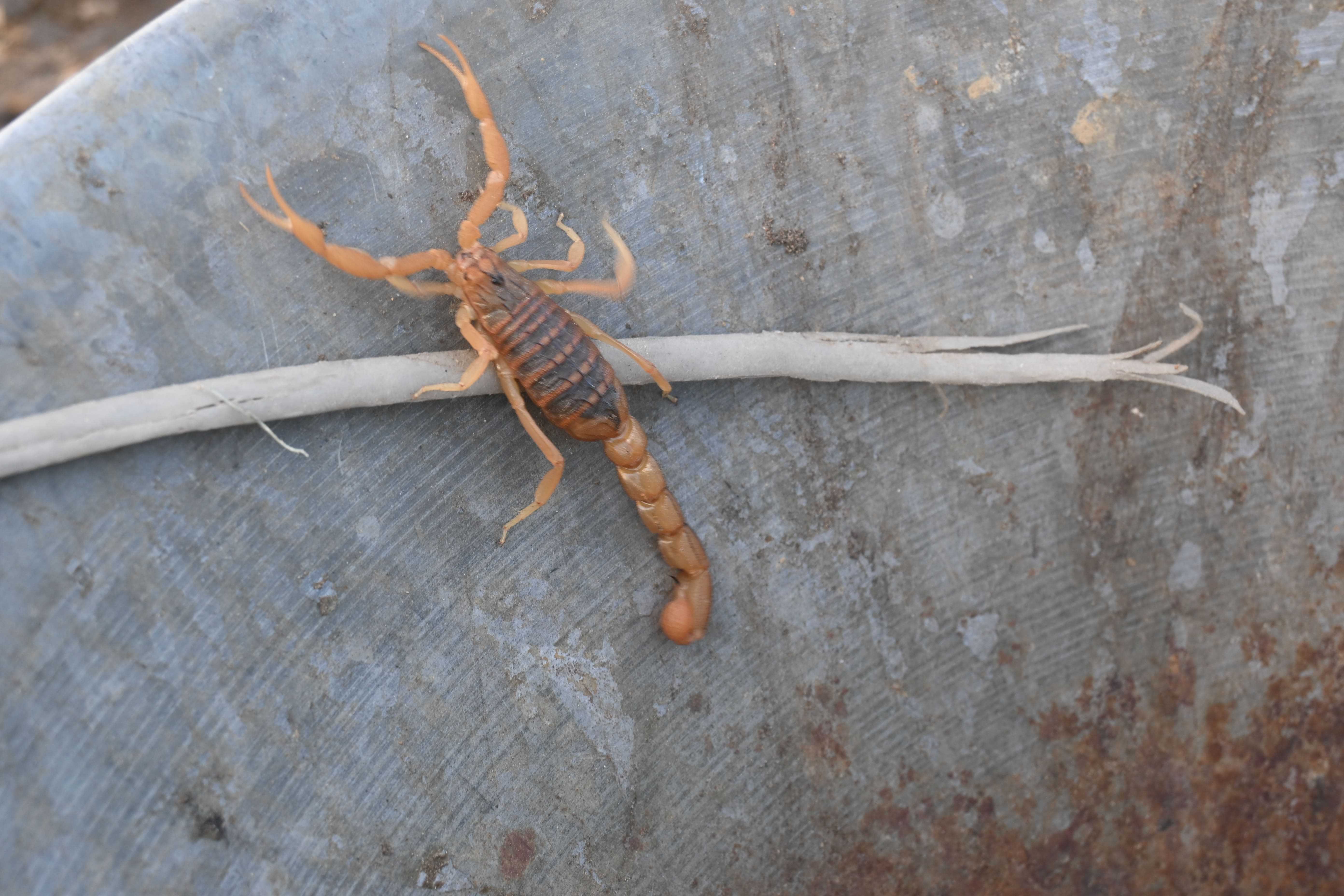
When it comes to venomous scorpions, the Indian red scorpion stands out as the deadliest and most poisonous scorpion. Scientifically known as Hottentotta tamulus, this scorpion holds the title of the most poisonous scorpion in the world. Its venom is known for its potency and the severe reactions it can cause in humans.
The Indian red scorpion’s venom contains a cocktail of toxins that target the cardiovascular and respiratory systems, making it particularly dangerous. This species is not just another member of the scorpion family; it is the epitome of a dangerous and poisonous scorpion. Its sting can lead to severe medical complications, which we will explore in more detail later.
While the Indian red scorpion is the most poisonous, it is not the only dangerous species. Other scorpions, such as the Deathstalker and the Arizona bark scorpion, also pose significant threats due to their potent venoms. Understanding these scorpions and their habitats can be crucial in preventing and managing scorpion stings.
How dangerous is the Indian red scorpion to humans?
The Indian red scorpion is notorious for being the most poisonous scorpion with a deadly sting, which can be particularly perilous for children. Envenomation from this scorpion can lead to high fatality rates, especially among the young. The venom primarily targets the cardiovascular and respiratory systems, causing severe complications that can escalate quickly if not treated.
One of the most alarming aspects of the Indian red scorpion’s venom is its neurotoxic properties. These neurotoxins can lead to serious medical issues, including respiratory failure and cardiac complications. Victims may experience symptoms such as difficulty breathing, sweating, drooling, and nausea. In severe cases, the venom can cause higher blood pressure and a rapid heart rate, further exacerbating the danger.
Given the severity of these symptoms, immediate medical attention is crucial. The administration of antivenom can significantly reduce the risk of complications and provide relief from pain. Antivenom works by neutralizing the toxic effects of the venom from this poisonous scorpion, making it an essential tool in the treatment of scorpion stings. For vulnerable populations like children, the prompt use of antivenom can be life-saving.
Where can you find the Indian red scorpion?
The Indian red scorpion is primarily found in various regions across India, where it is a common but dangerous and poisonous scorpion. Its habitat extends to parts of eastern Pakistan and Sri Lanka, making it a significant threat in these areas as well. These regions provide the warm and dry environments that this poisonous scorpion species prefers.
While the Indian red scorpion is concentrated in South Asia, other scorpion species inhabit diverse areas around the world. For instance, the Deathstalker scorpion can be found in North Africa and the Middle East, while the Arizona bark scorpion is prevalent in the southwestern United States.
Understanding the habitats of these poisonous scorpions can help you take preventive measures, especially if you live in or travel to these regions.
Other Deadly and Poisonous Scorpions
While the Indian red scorpion is often considered the most deadly, other species also pose serious risks. The Deathstalker (Leiurus quinquestriatus), found across North Africa and the Middle East, is known for highly toxic venom and is considered one of the world’s most dangerous scorpions.
In the United States, the Arizona bark scorpion is the primary concern. Its neurotoxic venom can cause severe pain and, in some cases, systemic reactions that may require medical attention.
Both species can cause intense pain, swelling, and more serious reactions, and they can also threaten pets and other animals. While they are among the most dangerous, many scorpion species worldwide have venom that can harm humans, so understanding regional risks helps you stay alert and prepared.
Symptoms of a Sting
A sting from the Indian red scorpion can cause symptoms ranging from painful but manageable to life-threatening. Most people feel intense pain at the sting site, often with swelling. Other common symptoms include sweating, nausea, and vomiting, and symptoms can worsen quickly without treatment.
Severe stings may lead to breathing problems, abnormal heart rhythms, pulmonary edema, shock, or cardiovascular collapse. Children and people with underlying health conditions face a higher risk of serious complications, so medical evaluation is important if symptoms escalate.
First Aid for Scorpion stings
Start by washing the sting site with mild soap and water. Apply a cool compress to reduce pain and swelling, and keep the affected limb supported and still. Over-the-counter pain relievers such as ibuprofen can help manage discomfort.
Seek medical attention right away if symptoms become severe, especially if the victim is a child or shows signs of trouble breathing, severe muscle symptoms, or unusual weakness.
The role of Scorpion Antivenom
Antivenom is the primary treatment for severe scorpion stings because it neutralizes venom and helps prevent dangerous systemic effects. Early administration can be life-saving. In regions where medically significant scorpions are common, access to antivenom plays a major role in outcomes.
Some species, such as the Deathstalker, have venom that can cause serious emergencies and may require higher levels of medical intervention. Severe symptoms require urgent care.
Preventing scorpion stings at home
Practical prevention reduces risk significantly. Avoid walking barefoot outside, especially at night. Shake out shoes, clothing, towels, and bedding that have been left on the floor. Reduce hiding spots by removing debris, wood piles, and overgrown vegetation near the home.
Because scorpions can reproduce quickly, ongoing prevention and early control matter, especially in high-risk areas.
Professional Pest Control to protect your home
Professionals offer specialized services to protect your home from poisonous scorpions and other pests.
The Indian red scorpion is the most poisonous in the world, posing significant dangers to humans, particularly children. Its venom can lead to severe medical complications, emphasizing the importance of prompt medical attention and antivenom treatment. Knowing where these poisonous scorpions are found and understanding the symptoms of their stings can help you stay vigilant and prepared.
Preventing poisonous scorpion stings at home involves practical measures and professional pest control services. By staying informed and taking proactive steps, you can protect yourself and your loved ones from the dangers of venomous and poisonous scorpions.
Frequently Asked Questions
What is the most poisonous scorpion in the world?
The most poisonous scorpion in the world is the Deathstalker (Leiurus quinquestriatus), known for its potent neurotoxic venom and low lethal dose. While its sting is extremely painful, it typically does not threaten the life of a healthy adult.
How dangerous is the Indian red scorpion to humans?
The Indian red scorpion is highly dangerous to humans, as its venom can cause severe medical complications like respiratory failure and cardiac issues, especially in children. Immediate medical attention is essential in case of a sting.
Where can you find the Indian red scorpion?
The Indian red scorpion is primarily located across various regions in India, along with some areas in eastern Pakistan and Sri Lanka.
What are the symptoms of a sting from the Indian red scorpion?
A sting from the Indian red scorpion can cause severe pain, swelling, sweating, nausea, and potentially life-threatening symptoms like pulmonary edema and cardiovascular collapse. Immediate medical attention is essential.
How can Las Vegas Pest Control help protect my home from scorpions?
Las Vegas Pest Control can effectively protect your home from poisonous scorpions and rodent issues through monthly maintenance services and targeted foaming treatments, helping to reduce their populations and prevent infestations, and help prevent desert recluses from invading your home. For additional advice on how to keep pests out of your house, visit our blog.