10 Telltale Signs of Mice in Your Home
Do you think you have mice in your home? Knowing the signs of mice can confirm suspicions and help you take action. This article will detail the top indicators to look out for.
- Mouse droppings, gnaw marks, and scratching sounds are primary indicators of a mouse infestation, highlighting their presence in your home.
- Grease marks and nests signal established pathways and nesting areas, suggesting mice are actively traversing your living space.
- Damaged food packaging and unusual pet behavior can reveal hidden mouse activity, emphasizing the need for prompt action to prevent further infestations.
1. Mouse Droppings
One of the most obvious signs of a mouse infestation is the presence of mouse droppings and rodent droppings. These tiny, rod-shaped black pellets are a clear indicator that mice are in your home. Fresh droppings are dark and moist, and as they age, they dry out and turn gray, crumbling if touched. You’ll typically find these droppings near food storage areas, such as under appliances, in kitchen cabinets, or along walls, and you may also come across a dead mouse.
Mouse droppings are often found close to nesting areas or damaged items, indicating places where mice have been active. The amount of droppings can also give you an idea of the severity of the infestation. More droppings usually mean more mice, so if you see a significant amount, it’s time to take action.
Upon finding mouse droppings, clean them thoroughly to mitigate health risks related to disease control. Because mice carry diseases, always wear gloves and use disinfectants during cleanup. Set mouse traps in areas where droppings are found to capture the mice and prevent further infestation.
2. Gnaw Marks
Another telltale sign of a mouse infestation is the presence of gnaw marks. Mice have strong teeth that grow continuously, so they need to gnaw on various materials to keep them from becoming overgrown.
You’ll often find gnaw marks on:
- wood
- plastic
- drywall
- cables
- food packaging
These gnaw marks are typically small and characterized by clean edges, with two parallel grooves 1-2 mm apart. Fresh gnaw marks appear light in color, while older ones tend to darken over time. If you notice these marks on your furniture, walls, or other items, it’s a clear indicator that mice have been chewing their way through your home.
Gnaw marks not only signal the presence of mice but also highlight potential entry points they may be using. Inspect areas with gnaw marks closely to find and seal any small holes or gaps that mice could be using to enter your home. Taking these steps can help prevent further rodent infestations.
3. Scratching Sounds
Have you ever heard strange scratching sounds in the middle of the night? This is another common sign of a mouse infestation. House mice are nocturnal creatures, meaning they are most active at night, and this is when you’re likely to hear them. These sounds can include scratching, scuffling, or even a pitter-patter as mice move around your home.
Mice typically make these sounds while searching for food or nesting materials. If you hear grating sounds, it could be mice gnawing on materials in your walls or furniture. These nighttime noises are not just annoying; they are a clear sign that you have unwelcome guests in your home.
Investigate further if you hear scratching sounds. Check for additional signs like droppings or gnaw marks to confirm mouse activity. Setting up mouse traps in areas where you hear the sounds can help catch the rodents and reduce their activity in your home.
4. Grease Marks
Mice leave behind more than just droppings and gnaw marks; they also create grease marks. These greasy smudges or dark marks are left by mice as they travel along walls, baseboards, and other surfaces. The marks are created by the oils and dirt from their fur, which rub off as they move through your home.
Grease marks can be found along walls, baseboards, beams, near pipes, and in hidden areas of your home. These marks indicate established paths that mice use to navigate through your living space. If you spot these dark, oily rub marks, it’s a sign that mice have been moving around and creating pathways in your home.
Clean the grease marks thoroughly and set traps along these pathways. Inspect and seal any cracks or gaps near the marks to prevent more mice from entering your home.
5. Nests
Mice, like all rodents, need a place to nest. House mice tend to build their nests close to food sources, rarely venturing farther than 30 feet away. These nests can be found in various hidden areas such as attics, crawl spaces, kitchen cabinets, and behind appliances. If you find a nest, it’s a clear sign of a rodent infestation.
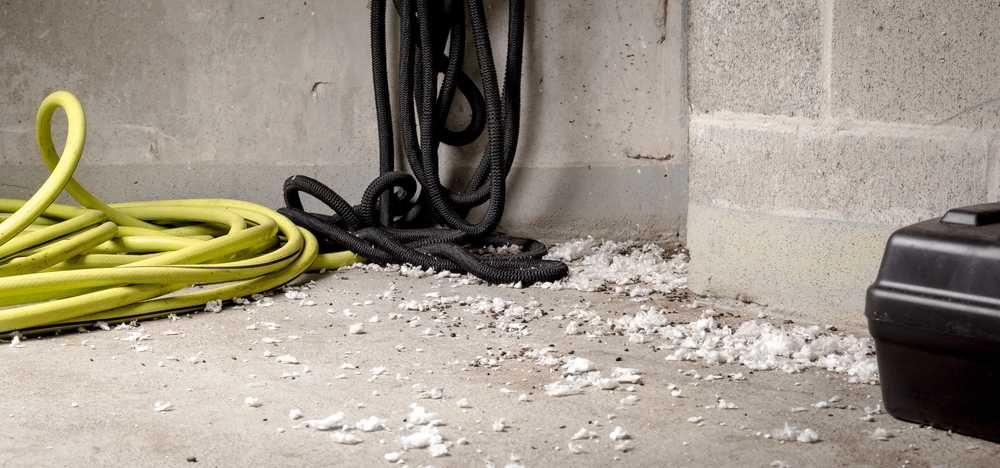
Mice use a variety of materials to build their nests, including soft materials like fabric, paper, string, and insulation. Shredded paper, cardboard, insulation, and fabric are common materials found in mouse nests. A typical mouse nest is around four to six inches in diameter and may resemble a loose ball.
Nests not only provide shelter for young mice but also serve as storage for food and nesting material. If you find a nest, carefully remove it along with the surrounding materials. Clean the area and set up traps to control the infestation and deter mice from returning.
6. Unusual Pet Behavior
Pets can be your first line of defense in detecting a house mouse infestation or rat or mouse infestation. Pets, especially cats and dogs, have keen senses and can often detect rodents before you do. If your pets are displaying signs of agitation or curiosity, it could indicate the presence of mice. Increased pawing at walls or furniture, frequent sniffing around the house, and general restlessness are common signs.
Pets may exhibit unusual behavior in response to mouse odors. If you notice your pet sniffing or acting agitated in specific areas, it could be due to the scent of mice. Pay attention to your pets’ behavior as it can provide valuable clues about hidden mouse activity in your home.
Investigate areas where your pets show unusual behavior for signs of a mouse infestation. Check for droppings, gnaw marks, or nests to confirm mouse activity. Taking these steps can help you address the infestation early and prevent further damage.
7. Small Holes
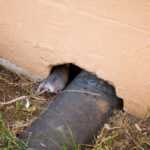
Mice can enter your home through incredibly small openings, including mouse holes. They can exploit gaps as tiny as a dime to make their way inside. Common entry points include cracks in foundations, walls, and around windows. Regularly inspect these areas to identify and seal any potential entry points.
Kitchen cabinets and floor vents are also critical areas to inspect for small holes that mice can use to enter your home. Sealing openings around pipes and utility lines is crucial to block mouse access. Regularly checking for new gaps can help prevent future mouse infestations.
Seal any small holes in your home with materials like steel wool to prevent rodent infestations and maintain a mouse-free environment. Taking these steps is essential in preventing and controlling rodent infestations.
8. Strong Musky Odor
A mouse infestation often comes with a strong musky odor. This unpleasant smell is usually due to the ammonia in mouse urine, which creates a foul odor associated with mice. If you notice a musky smell in your home, especially near baseboards or cabinets, it could indicate a mouse infestation.
The odor may be strongest near travel or nesting areas, where mice are most active. A stale ammonia smell can indicate a large mouse infestation, and you may also notice small mounds of dirt or grease around food sources.
Detecting a strong musky odor warrants further investigation. Look for additional signs like droppings or gnaw marks to confirm mouse activity. Addressing the issue early can help you control the infestation and eliminate the foul smell from your home.
9. Food Packaging Damage
Damaged food packaging is a clear sign of mouse activity. If you find gnaw marks on food packaging, it indicates that mice are foraging for food within your home. Torn or damaged packaging is a telltale sign that mice have been trying to access the contents inside.
Mice often chew through food containers, making it essential to store food in airtight packaging. Visible gnaw marks on food packaging suggest that mice have been active in your food storage areas. This not only compromises the safety of your food but also indicates a rodent infestation.
Noticing damaged food packaging calls for immediate action. Store food in airtight containers and inspect the area for other signs of mice. Setting up traps and sealing entry points can help control the infestation and protect your food packages.
10. Tracks and Footprints
Mice leave tracks and footprints in areas that are not frequently disturbed, such as corners or attics. Utilizing a flashlight can help illuminate these tracks and footprints in dimly lit areas. These tracks can be a clear indicator of mouse activity, especially if you find them in areas with other signs of infestation.
To reveal the presence of mice, you can sprinkle flour or talcum powder on the ground and check for tracks the next day. This simple method can help you identify mouse activity and take appropriate action to control the infestation.
Clean areas where tracks and footprints are found and set up traps to catch the rodents. Early action can help prevent further damage and maintain a mouse-free home.
Mice Infestations
Identifying the telltale signs of a mouse infestation is crucial for maintaining a healthy and safe home. From mouse droppings and gnaw marks to unusual pet behavior and strong musky odors, these indicators can help you detect the presence of mice early. Taking proactive steps to address the infestation can prevent further damage and protect your home.
If you notice any of these signs, it’s essential to take immediate action. Clean up droppings and nests, seal entry points, and set up traps to catch the rodents. By staying vigilant and addressing the issue early, you can keep your home mouse-free and avoid the problems associated with rodent infestations. Don’t wait until the problem gets worse—take action today to protect your home and family.
Frequently Asked Questions
What should I do if I find mouse droppings in my home?
If you find mouse droppings, promptly clean them up using gloves and disinfectants to avoid health risks. Setting up traps in the affected areas is crucial to catch the rodents and prevent further infestation.
How can I prevent mice from entering my home?
To effectively prevent mice from entering your home, seal any small holes or gaps in walls, foundations, and around windows using materials like steel wool. Regular inspections are essential to ensure these entry points remain secure.
Why do mice gnaw on things in my home?
Mice gnaw on items in your home primarily to keep their constantly growing teeth from overgrowing. This behavior can lead to damage of materials such as wood, plastic, and electrical wires.
How can I identify a mouse nest in my home?
To identify a mouse nest in your home, look for soft materials like fabric, paper, or insulation in hidden areas such as attics, crawl spaces, or behind appliances. Early detection is crucial to preventing a larger infestation.
What should I do if I hear scratching sounds at night?
If you hear scratching sounds at night, it’s important to investigate for signs of a mouse infestation, such as droppings or gnaw marks. Setting up mouse traps in those areas can effectively help catch them and decrease their presence in your home.