How to Identify Wingless Termites and Stop the Damage
Wingless termites are often the worker termites responsible for feeding the colony, building tunnels, and helping infestations spread through a structure. Because they stay hidden and work inside wood or behind walls, homeowners may not notice them until visible damage appears. This article explains how to identify wingless termites, recognize the most common signs of infestation, and understand the treatment and prevention options that can help protect your home.
What to Know
- Wingless termites are usually worker termites that keep the colony alive by gathering food and maintaining tunnels.
- Common warning signs include mud tubes, hollow wood, frass, and discolored drywall.
- Early detection, moisture control, and professional treatment can help limit structural damage and future infestations.
What Are Wingless Termites
Wingless termites are usually worker termites, although some soldiers also lack wings. Unlike swarmers, these termites stay within the colony and handle the daily work that keeps it alive. They are small, pale, soft-bodied insects that often remain hidden inside wood, soil, or wall voids.
Because they do not leave the colony to swarm, homeowners are more likely to notice the damage they cause than the termites themselves. Their hidden behavior is one reason infestations can continue for long periods before they are discovered.
Worker Termites
Worker termites are typically about 1/8 inch long and are usually cream-colored or pale. They are responsible for gathering food, building and repairing tunnels, feeding other members of the colony, and caring for young termites.
These termites cause most of the structural damage associated with an infestation because they actively consume wood and other cellulose materials. When present in large numbers, they can weaken important wooden parts of a home over time.
Soldier Termites
Soldier termites protect the colony from predators and outside threats. They are easy to distinguish from workers because they have larger heads and stronger jaws designed for defense rather than feeding.
Although they make up a much smaller part of the colony, soldier termites are still an important sign of active termite presence when found during an inspection.
Signs of a Wingless Termite Infestation
Spotting the signs of a wingless termite infestation early can save you from extensive and costly damage. Key indicators include:
- mud tubes
- hollow wood
- frass
- discolored drywall
Each of these signs points to active termite activity and requires immediate attention.
Common warning signs include:
- mud tubes on exterior walls
- hollow-sounding wood when tapped
- piles of frass resembling sawdust
- discolored drywall
Ignoring these signs can lead to severe structural damage and expensive repairs.
Mud Tubes
Mud tubes are one of the most significant indicators of a subterranean termite infestation. These tubes, made from soil, wood particles, and feces, act as protected pathways between the colony and its food source. Finding mud tubes on exterior walls is a clear sign of termite activity.
The size and number of mud tubes can help indicate how active or widespread the infestation may be. Subterranean termites often build these tunnels in crawl spaces and along foundations to stay protected while they travel. Observing these structures is crucial for early detection and control of termite activity.
Hollow Wood Structures
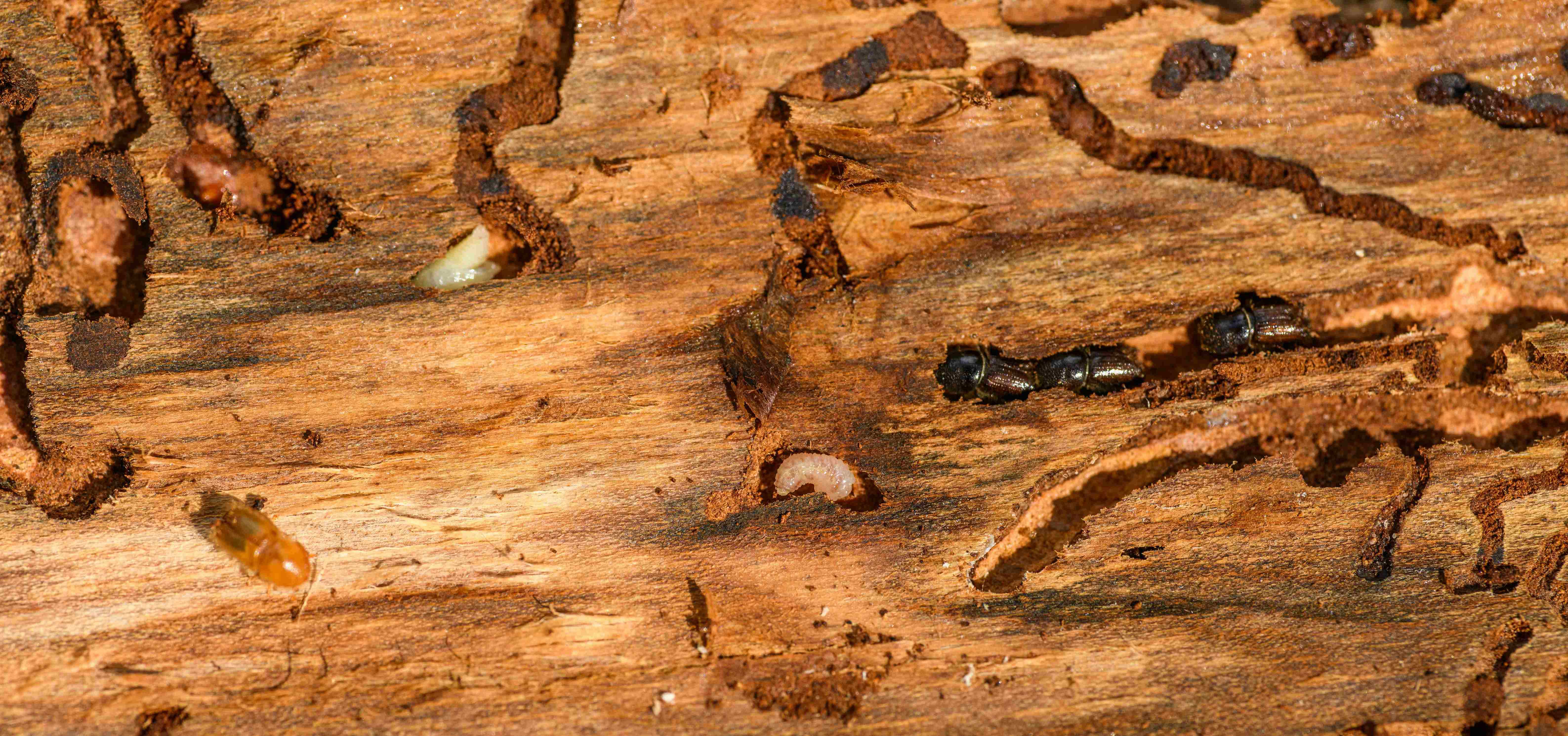
Hollow wooden structures are another clear indicator of termite infestation. When wood is tapped with a screwdriver or hammer and produces a hollow or dull sound, it suggests internal damage caused by termites. This damage is often due to the tunnels and galleries that termites create as they consume wood from the inside out.
Homeowners should regularly check for hollow wood sounds, especially in structural components such as beams, window sills, and exterior walls. Detecting this early can prevent further damage and allow for timely intervention.
Frass
Frass, or termite feces, is often found near kick-out holes and resembles sawdust. This small, elongated granular substance is a strong indicator of active termite feeding and can often be found near wooden surfaces.
Discovering frass in your home is a clear sign that termites are present and actively damaging the wood. Regularly inspecting areas where wood meets the ground or other structures can help with early detection of termite activity.
Discolored Drywall
Discolored drywall can signal a termite infestation. Termites may cause discoloration, swelling, or drooping of drywall as they consume the materials behind it. Changes in color or texture, such as yellowing, browning, or sagging, can all point to underlying termite damage.
It is important to act promptly when these signs appear, as they may indicate significant structural damage. Early detection and intervention can prevent further deterioration of your home’s integrity.
Preventing Termite Infestations
Preventing termite infestations is one of the best ways to protect your home from these destructive pests. Regular inspections and proactive measures can help identify termite activity before it causes significant damage. Implementing preventive strategies can help homeowners safeguard their properties and avoid costly repairs.
Key prevention methods include regular inspections and reducing moisture around the home. These strategies, combined with professional advice and treatment when needed, can significantly reduce the risk of termite infestations and protect your home’s structural integrity.
Regular Inspections
Regular inspections are vital for early detection of termite activity. Homeowners should inspect their homes for termites at least once a year, and more frequently in areas known for high termite activity. Early detection through professional inspections can prevent extensive damage and ensure long-term preservation of your home.
At the first sign of termites, contacting a professional exterminator is advisable. Professionals have the expertise and tools needed to accurately identify termite activity and recommend the right treatment approach.
Reducing Moisture
Controlling moisture around your home is key to preventing termite infestations. Subterranean termites thrive in environments with excessive moisture, making humidity control essential. Properly maintaining gutters and downspouts to direct water away from foundations can significantly reduce the risk of termites.
Keeping mulch away from the home’s exterior and fixing leaky roofs or pipes can help prevent termite issues. By controlling moisture levels, you create a less attractive environment for termites, helping to protect your home from infestation.
Professional Treatment Options
When signs of termites are detected, professional treatment is often necessary to address the infestation effectively. DIY methods frequently fail to eliminate all termite colonies, which can allow damage to continue. Professional pest control experts use advanced tools and techniques to evaluate and treat termite infestations thoroughly, helping ensure that the entire colony is addressed.
Treatment options include chemical treatments and baiting systems. Applied by trained professionals, these methods provide effective solutions for eliminating termites and preventing future infestations. Professional termite control can help homeowners protect their properties and avoid more costly damage over time.
Chemical Treatments
Chemical treatments create a protective barrier around your home and can help eliminate existing termite colonies. These treatments often involve applying liquid insecticides inside and outside the foundation to reduce termite activity and help prevent future infestations. Because proper application is essential for safety and effectiveness, trained professionals should always handle these treatments.
The process may include creating a trench around the home and applying insecticide at a specific rate to form a continuous barrier. This method offers thorough coverage and long-lasting protection when performed correctly.
Baiting Systems
Baiting systems are designed to attract and kill termites effectively. They work by combining insecticides with food sources such as paper or cardboard that termites find appealing. Termites carry the bait back to the colony, helping eliminate the problem at its source.
These systems can be a good option for homes with difficult-to-treat construction or for homeowners who prefer to avoid broader pesticide application. To remain effective, baiting systems require regular monitoring and maintenance by a professional exterminator.
Repairing Termite Damage
Once termite activity has been treated, the next step is to assess how much damage the infestation caused. Common signs of structural damage include hollow-sounding wood, weakened trim, crumbling wooden surfaces, and visible internal tunneling.
Minor cosmetic damage may be manageable with small repairs, but more serious structural issues often require professional evaluation. If load-bearing wood or major framing has been affected, professional repairs are usually the safest option.
Assessing Damage
Assessing termite damage means looking for hollow-sounding wood, crumbling surfaces, weakened trim, and visible internal tunneling in walls or furniture. Professionals may also use tools such as moisture meters or thermal imaging to detect hidden activity and better understand the extent of the damage.
Identifying these signs early can help homeowners plan repairs more effectively and reduce the risk of further structural problems.
DIY vs. Professional Repairs
While many homeowners may consider handling small repairs on their own, significant termite damage often requires professional intervention. Professionals can ensure that the damage is properly addressed and that the home is better protected from future infestations. Structural engineers or repair specialists may also provide a more detailed assessment when extensive damage is involved.
Homeowners should weigh the short-term savings of DIY work against the long-term reliability of professional repair. In many cases, professional repairs offer greater safety and more dependable protection.
Protecting Your Home from Termites
Spotting the signs of wingless termites early can help reduce serious structural damage and costly repairs. Regular inspections, moisture control, and timely treatment are some of the most effective ways to protect your home from termite activity.
When infestations are already active or signs of damage are visible, professional treatment may be the best way to stop the problem before it becomes more severe.
Frequently Asked Questions
What are the primary signs of a wingless termite infestation?
The primary signs of a wingless termite infestation are mud tubes, hollow wood, frass, and discolored drywall. These indicators can help you identify and address an infestation promptly.
How often should I inspect my home for termites?
You should inspect your home for termites at least once a year, or more frequently if you live in an area with high termite activity. Regular inspections can help prevent serious damage.
What should I do if I find signs of termites?
If you find signs of termites, contact a professional exterminator immediately to assess the situation and develop a treatment plan. Timely action is crucial to prevent further damage.
How can I reduce the risk of termite infestations?
To reduce the risk of termite infestations, conduct regular inspections, control moisture levels, ensure proper maintenance of gutters, and keep mulch away from your home’s exterior. Taking these proactive steps is essential for effective prevention.
Should I attempt DIY repairs for termite damage?
If the termite damage is significant, it’s best to hire professionals for repairs to ensure thoroughness and prevent future infestations. DIY fixes may not suffice in such cases.