Understanding Roof Rat Size: Facts & Identification Guide
Wondering how big Roof Rat Size is? Adult roof rats typically measure 6 to 8 inches in body length, with tails adding another 7 to 10 inches. This makes them relatively large compared to other rats. In this article, we will explore the size, physical characteristics, and how to distinguish roof rats from other species.
- Roof rats (Rattus rattus) are agile, nocturnal rodents prevalent in coastal and southern states, distinguished by their small size and long tails.
- Understanding the size and physical characteristics of roof rats, such as their body length of 6 to 8 inches and tail length of 7 to 10 inches, is crucial for identification and effective control.
- Preventative measures and early detection signs, such as droppings and gnaw marks, are essential for managing roof rat infestations and protecting property.
What Are Roof Rats?
Roof rats, scientifically known as Rattus rattus, are commonly called black rats or ship rats. Originating from Southeast Asia, they are now commonly found in coastal and southern states, especially near seaports. These agile rodents have adapted to living in elevated areas, such as attics, trees, and rafters, making them excellent climbers. Their nocturnal nature and curiosity make them particularly challenging to detect and control.
Roof rats usually have slender bodies with soft, smooth fur that varies from brown to black. Being nocturnal, they are most active at night, which contributes to roof rat activity. Their cautious nature often makes infestations hard to detect until they become significant, leading to a roof rat problem. Roof rats tend to be elusive, and here are some roof rat facts to consider.
Recognizing these traits is crucial for identifying and managing these pests.
Roof Rat Size Overview
Adult roof rats typically have a body length of 6 to 8 inches (16 to 20 cm). Their tails, usually longer than their bodies, add another 7 to 10 inches, giving them a total length of up to 16 inches, making them relatively large rodents.
Adult roof rats generally weigh between 5 and 12 ounces. Their nimbleness and ability to squeeze through small openings allow them to access attics and other elevated areas in homes. Understanding these dimensions aids in identifying and managing infestations effectively.
Physical Characteristics of Roof Rats
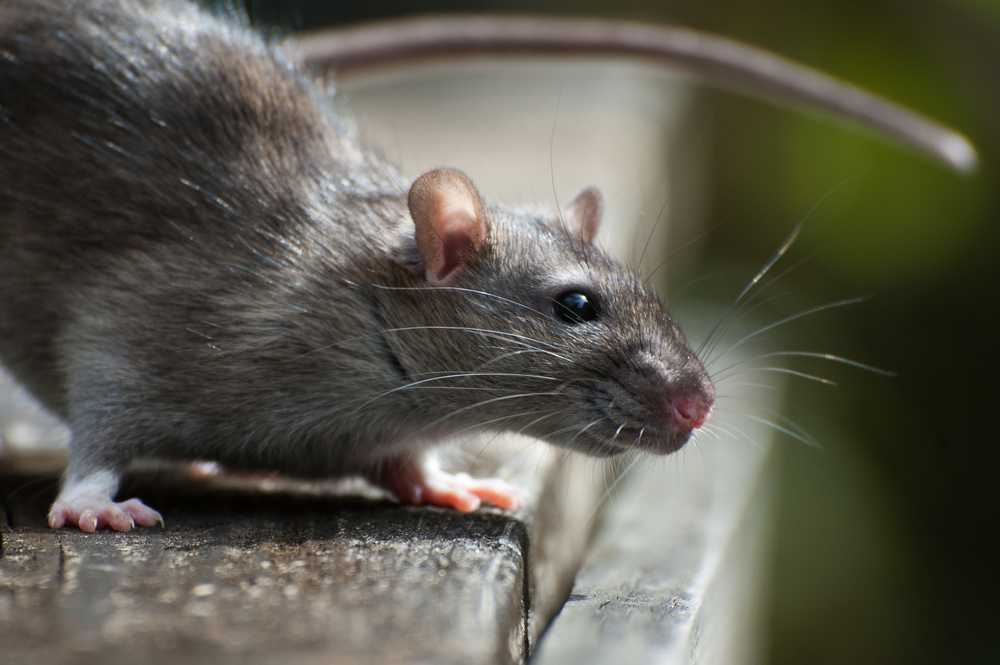
Roof rats are known for their distinctive physical traits that set them apart from other rat species. They have slender bodies, which contribute to their agility and climbing abilities. Their large, almost hairless ears and pointed noses are key identifiers that can help distinguish them from other rodents.
In addition to their body shape, roof rats have smooth fur that is typically brown with black interspersed. These characteristics not only aid in their identification but also play a role in their behavior and habitat preferences.
Body Length
The body length of adult roof rats generally measures between 6 and 8 inches. This measurement is taken from the tip of the nose to the base of the tail.
Understanding the body length aids in effective pest management and identification, helping to distinguish roof rats from similar-looking rodents.
Tail Length
Roof rats are recognized for their long tails, usually measuring between 7 and 10 inches. Sometimes the tail can be longer than the body, reaching lengths of 18 to 25 centimeters. This characteristic helps identify roof rats, as their tails often exceed their body length, distinguishing them from other rat species.
Total Length
When combining the body and tail lengths, roof rats can reach a total length of up to 16 inches. Their body length ranges from 6 to 8 inches, and their tails add another 6 to 8 inches.
This overall measurement is vital for accurately identifying roof rats and understanding their ability to access various areas in homes.
Comparing Roof Rats to Other Rat Species
Comparing roof rats to other species is essential for accurate identification and control. Roof rats are generally smaller and sleeker than Norway rats, which have a more robust build. Norway rats, or brown rats, are typically larger and stockier, with thicker bodies and shorter tails.
Besides size, physical characteristics like pointed noses and large ears help differentiate roof rats from other species. Comparing these traits allows homeowners to identify the type of infestation and choose the most effective control methods.
Norway Rats vs. Roof Rats
Norway rat, also known as brown rats, are generally larger than roof rats, with adult Norway rats weighing between 8 to 12 ounces. In contrast, roof rats weigh between 5 to 9 ounces. Norway rats have a more robust body, shorter tail, and a standard appearance, while roof rats have a thinner build, smoother fur, and a longer tail relative to their body.
These differences in physical characteristics and size are crucial for accurate identification. Roof rats are more agile and better climbers than Norway rats, which prefer ground-level habitats. Recognizing these distinctions aids in selecting the right control strategies for each species.
Brown Rats vs. Roof Rats
Brown rats, or Norway rats, are typically larger than roof rats, with body lengths ranging from 7 to 10 inches. Roof rats, on the other hand, measure between 6 to 8 inches in body length. Brown rats have thicker bodies and shorter tails, which are about the same length as their bodies, unlike roof rats that have longer tails typically exceeding their body length.
These differences are vital for effective pest management. Roof rats’ smaller size and agility enable them to access elevated spaces, while brown rats are more likely found in ground-level areas. Identifying the right species helps in implementing the most effective control measures.
Why Roof Rat Size Matters
Knowing the size of roof rats is essential for several reasons. Adult roof rats typically weigh between 150 and 300 grams and have a body length of 6 to 8 inches, with tails measuring 7 to 10 inches. These dimensions allow them to squeeze through small openings and access various areas in homes, emphasizing the need for effective pest management.
Understanding the typical size of roof rats helps assess potential health risks associated with infestations. Their ability to access food sources and nesting sites can lead to contamination and damage, making early detection and control crucial. Homeowners can take proactive measures to protect their property and health by knowing roof rat size.
Signs of Roof Rat Infestation
Early detection of a roof rat infestation is vital for effective control. Common signs include droppings, gnaw marks, and nesting materials. Roof rat droppings, typically found in attics, kitchens, or near food sources, resemble small, dark pellets with pointed ends. Gnaw marks around the roof or eaves, can also indicate activity.
Nesting materials like shredded paper, fabric, or insulation may be found in hidden home areas. Other indicators include hollowed-out fruit on trees and grease trails along frequently traveled paths. Regular monitoring for these signs is essential for early detection and prevention of infestations.
Preventing Roof Rat Infestations
Preventing roof rat infestations requires several practical steps. Their size allows them to access various areas in homes, so blocking entry points like cracks and holes around pipes and vents is crucial. Trimming tree branches near your home helps prevent roof rats from jumping onto roofs and gaining access.
Regular sanitation practices, like storing food in sealed containers and cleaning up spills, can significantly reduce the likelihood of attracting roof rats. Engaging the community in roof rat prevention tips is also essential, as collective action can lower the overall rat population in the area.
Effective Roof Rat Control Methods
Effective pest management strategies often depend on understanding roof rat size to select appropriate traps and control methods. Trapping options include snap traps, live traps, and electronic traps, which can significantly reduce populations. Baiting and rodenticides can control numbers but must be applied carefully to avoid risks to pets and children.
Professional pest control services provide advanced techniques and tools for severe infestations. These pest protection services are tailored to the property’s specific needs, ensuring effective and safe control of roof rat populations.
Understanding the size and characteristics of roof rats is crucial for effective identification and control. Roof rats, with their slender bodies, long tails, and agile climbing abilities, are distinct from other rat species. Accurate measurement and identification can help in implementing the most effective control strategies.
For homeowners facing roof rat problems, early detection and prevention are key. By following the tips and methods outlined in this guide, you can protect your home from these persistent pests. Don’t hesitate to contact a professional for assistance in managing roof rat infestations and safeguarding your property.
Frequently Asked Questions
What are the common signs of a roof rat infestation?
The common signs of a roof rat infestation include droppings, gnaw marks, nesting materials, grease trails, and hollowed-out fruit on trees. If you notice these indicators, it’s essential to take action promptly.
How can I prevent roof rat infestations?
To prevent roof rat infestations, seal all entry points, trim tree branches that overhang your house, store food in airtight containers, and maintain a clean environment. Taking these steps will significantly reduce the likelihood of an infestation.
Why is understanding roof rat size important?
Understanding roof rat size is crucial for accurate identification and assessing health risks, which in turn aids in selecting effective control methods. This knowledge ultimately enhances pest management strategies.
How do roof rats differ from Norway rats?
Roof rats are smaller and sleeker with longer tails compared to the larger, stockier Norway rats that have shorter tails. Recognizing these differences can help in effective pest control strategies.
What control methods are effective against roof rats?
Trapping and baiting are effective methods for controlling roof rats, and seeking professional pest control services can provide additional support. Implementing these strategies will help safeguard your home from infestations.