Do Pigeons Spread Disease? What You Need to Know
Do pigeons spread disease? Yes, they can. Pigeons, especially in large urban populations, are known carriers of various diseases that can pose health risks to humans. In this article, we’ll explore how pigeons transmit diseases, the types of diseases they carry, and what you can do to minimize exposure.
Pigeons and Disease Transmission
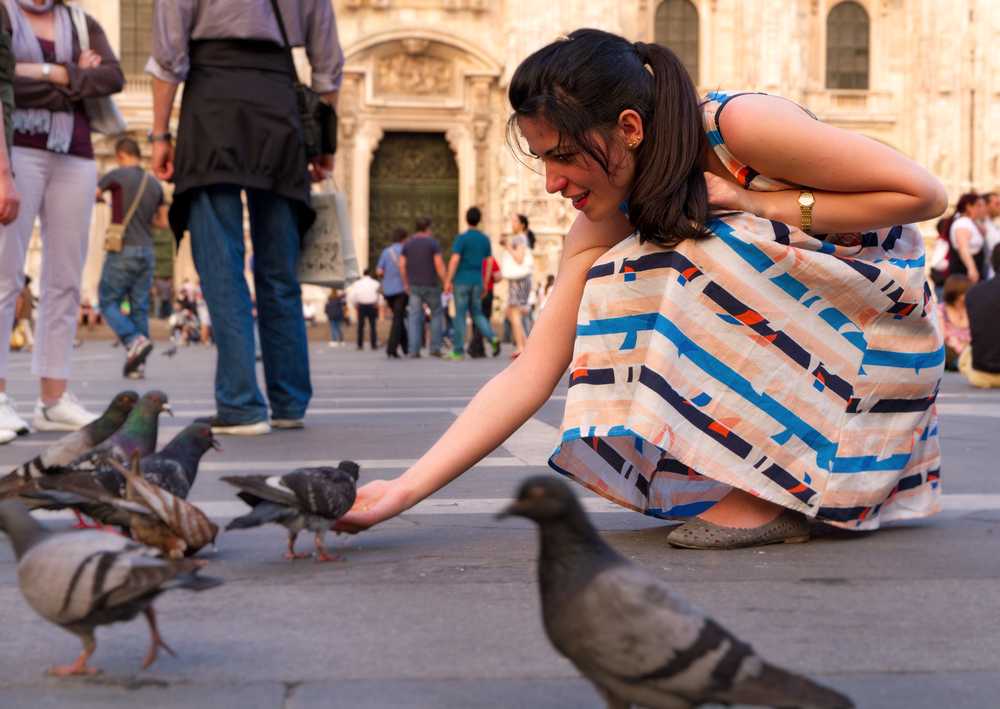
In urban settings, pigeons are often seen as harmless companions, adding a touch of nature to city life. However, feral pigeons can carry diseases that pose significant health risks to humans. Large populations roosting and congregating in public spaces can contribute to the spread of infectious diseases.
Pigeon droppings are particularly concerning as they can harbor various pathogens and lead to dangerous diseases. The large pigeon population in urban areas increases the risk of disease transmission.
But how serious is this threat? Both cultural perceptions of pigeons and the actual risks need to be considered.
Actual Risks vs. Perceived Risks
Public perception often labels pigeons as significant health risks, but actual disease transmission from pigeons to humans is very rare. Casual contact seldom leads to disease, and these birds are resistant to Avian Influenza, meaning they do not become unwell or transmit the virus.
Even in regions with high feral pigeon populations, like the UK, the direct correlation with disease transmission remains low.
How Pigeons Spread Diseases
Pigeons spread disease primarily through their droppings, direct contact, and airborne pathogens. Knowing how these birds can spread disease and transmit diseases can help take effective preventive measures.
Pigeon droppings pose a significant health hazard as they harbor harmful bacteria, fungi, and parasites. When these droppings dry and turn to dust, they become airborne, posing a risk of inhalation. Additionally, direct contact with pigeons or their nesting areas increases the risk of disease transmission.
Each of these transmission methods requires closer examination.
Pigeon Droppings
Pigeon droppings notoriously harbor dangerous pathogens, such as the fungus Histoplasma capsulatum. It thrives in warm, humid environments with large accumulations of bird droppings. Exposure to these environments can lead to histoplasmosis, a serious health condition.
Regular cleaning and proper disposal of pigeon droppings minimize these health risks.
Direct Contact and Close Proximity
Avoiding direct contact with pigeons and their nesting areas significantly reduces the risk of disease transmission. Maintaining a safe distance from pigeons and their nesting sites protects against potential infections.
Airborne Pathogens
When disturbed, dried pigeon droppings become dust particles that can be easily inhaled, especially in environments where pigeons are abundant.
Inhaling dust contaminated with pathogens from pigeon droppings can lead to diseases such as histoplasmosis, causing severe respiratory issues.
Common Diseases Carried by Pigeons
Pigeons are known to carry diseases that can affect human health. Among the most common are Psittacosis, Salmonellosis, Cryptococcosis, and Histoplasmosis. These diseases are primarily spread through pigeon droppings and can pose serious health risks, especially to individuals with compromised immune systems.
Understanding these diseases and their symptoms aids in early diagnosis and treatment. Each disease, starting with Psittacosis, needs closer examination.
Psittacosis
Psittacosis, caused by the bacterium Chlamydia psittaci, can infect humans, typically presenting with flu-like symptoms and severe pneumonia. Untreated cases can lead to serious complications, including respiratory issues or irreversible brain damage.
Antibiotic therapy is the primary treatment for Psittacosis and is usually effective when caught early.
Salmonellosis
Salmonellosis, caused by the bacterium Salmonella, is often linked to contaminated food or surfaces. Symptoms include severe gastrointestinal distress, and most people recover within a week.
Proper hygiene and food safety help prevent Salmonella infections from pigeon droppings.
Cryptococcosis
Cryptococcosis, a fungal infection caused by Cryptococcus neoformans, can be found in pigeon droppings. This disease impacts human health, particularly in individuals with weakened immune systems, leading to severe infections.
Histoplasmosis
Histoplasmosis, a fungal disease caused by Histoplasma, is commonly found in environments with bird droppings. Symptoms include flu-like symptoms, and most people recover without medical help within two weeks.
However, it can cause severe respiratory issues in some cases.
Health Risks Associated with Pigeons
Pigeons can carry diseases that pose health risks, especially in urban environments where they are prevalent. While the likelihood of illness from pigeon exposure is low for most individuals, those with weakened immune systems are at greater risk. Large pigeon populations in cities can impact public health, affecting the wider community.
Some specific health risks associated with pigeons, starting with respiratory issues, need exploration.
Respiratory Issues
Dried pigeon droppings can turn into dust that becomes airborne, posing a health risk when inhaled. Inhalation of this dust can lead to respiratory infections and exacerbate existing conditions such as asthma.
Proper cleaning and protective measures prevent these health risks.
Food Poisoning
Pigeon droppings can harbor harmful bacteria such as E. coli and Salmonella, leading to food poisoning. Contaminated food or surfaces can cause severe gastrointestinal illnesses.
Proper hygiene and food safety practices help prevent these infections.
Vulnerable Populations
Certain groups, including children, the elderly, and individuals with weakened immune systems, are at higher risk for complications from diseases associated with pigeons. These populations are particularly susceptible to severe respiratory problems and other health risks from pigeon droppings.
Preventing Pigeon-Related Diseases
Preventing pigeon-related diseases involves proactive measures to minimize exposure to pigeon droppings and other sources of infection. Keeping areas clean, practicing good personal hygiene, and seeking professional pest control can significantly reduce health risks.
Keeping Areas Clean
Regular cleaning of pigeon droppings minimizes health risks. When cleaning up droppings, wear gloves and a face mask, moisten the droppings before cleaning, and use a bleach solution for disinfection.
For large accumulations of droppings, consider hiring professional cleaning services.
Personal Hygiene
Avoid direct contact with pigeon droppings to minimize disease risk. Wash your hands and any exposed skin immediately after cleaning areas contaminated by pigeon droppings.
Hand washing facilities should be readily available for those dealing with pigeon droppings.
Professional Pest Control
Avoid DIY bird control to prevent contracting diseases. If you have concerns about pigeon-related issues, seek professional advice. Bird control experts provide tailored solutions and effective anti-bird netting for managing pigeon populations.
For comprehensive and safe pest control services, contact a professional. Their expertise ensures effective management of pigeon populations while prioritizing health and safety.
Frequently Asked Questions
Can pigeons spread serious diseases to humans?
Yes, pigeons can spread serious diseases to humans, including Psittacosis, Salmonellosis, Cryptococcosis, and Histoplasmosis, primarily through their droppings and direct contact. It is essential to take precautions when interacting with or cleaning areas contaminated by pigeon droppings.
How can I prevent getting sick from pigeons?
To prevent illness from pigeons, maintain cleanliness in areas where they frequent, avoid contact with their droppings, and practice good hygiene. Additionally, consider enlisting professional pest control services for effective management.
Are children and the elderly more at risk from pigeon-related diseases?
Indeed, children and the elderly are at a higher risk of severe health complications from diseases associated with pigeons due to their potentially weakened immune systems. It is crucial to take precautions when in areas where pigeons are prevalent.
What should I do if I find a large accumulation of pigeon droppings?
To safely address a large accumulation of pigeon droppings, it is advisable to hire professional cleaning services. This ensures proper removal and minimizes health risks associated with exposure.
What legal restrictions exist regarding pigeon control?
Killing or injuring pigeons is illegal in many regions, including the UK, without appropriate licenses. Therefore, it is advisable to use humane deterrents for effective pigeon control.